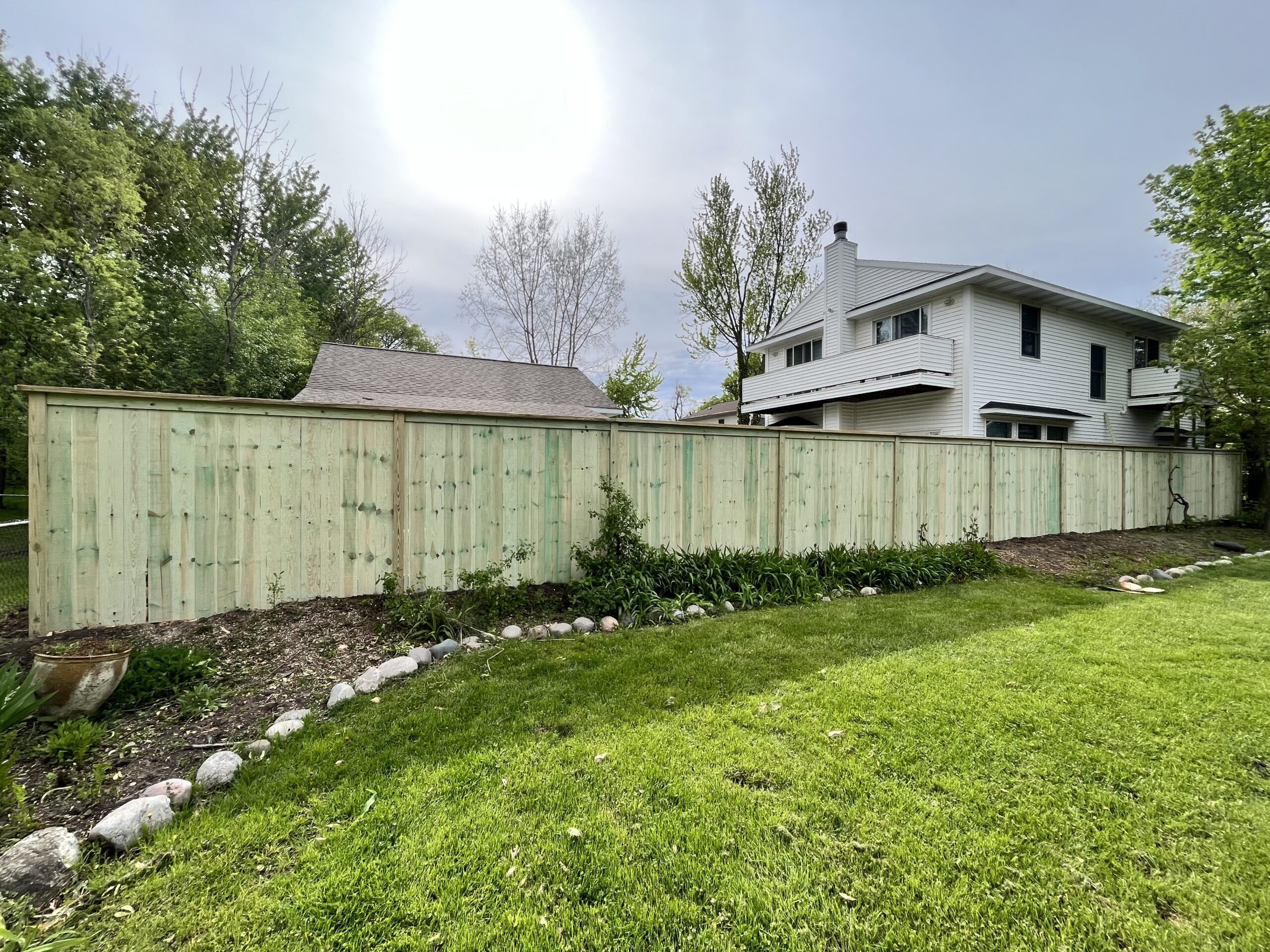
Installation and Michigan Conditions
How Deep Should Fence Posts Be in Michigan?
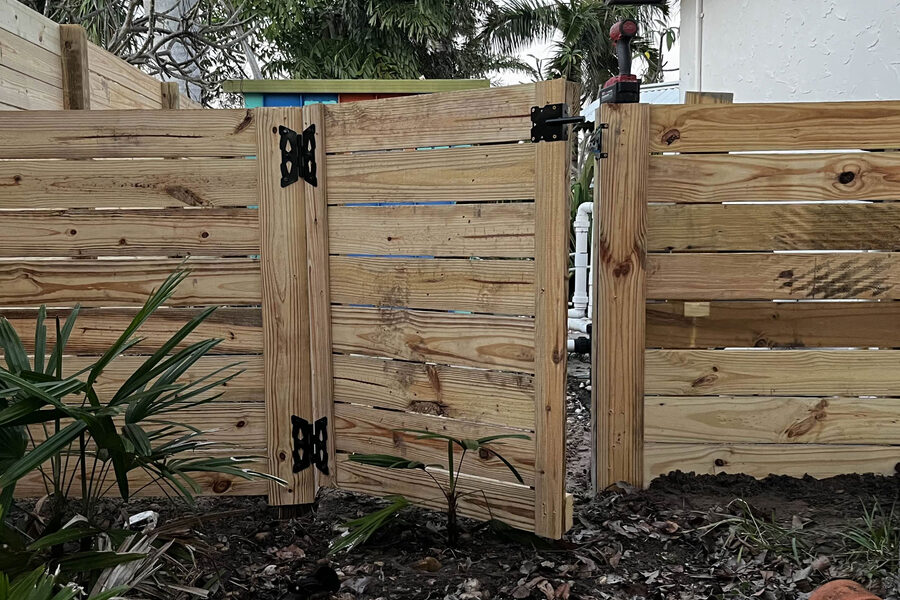
Fence post depth in Michigan is not a single universal number. The right depth for a given project depends on fence height, post dimensions, fence material, soil conditions, drainage, frost exposure, gate loads, and local permit requirements. This guide explains each factor and what homeowners should confirm before starting a fence project.
Quick Answer
The most important principle for Michigan fence post depth is this: posts must be set below the frost line to prevent frost heave from pushing them upward each winter. The frost depth in the Grand Rapids and Kent County area reaches approximately 42 inches below grade.[3] Most residential fence contractors set posts at 36 to 48 inches depending on fence height and site conditions, with many specifying 48 inches as a standard depth for 6-foot privacy fences in this region.
A commonly cited general guideline in the fencing industry is that the in-ground portion of a post should be approximately one-third of the total post length. For a 9-foot post supporting a 6-foot fence, that would suggest roughly 3 feet in the ground. However, this is a guideline, not a universal rule. Michigan's frost depth means that 3 feet (36 inches) may not be sufficient in all soil conditions, and many Michigan contractors routinely set posts deeper to provide a margin of safety below the frost line. Always confirm with the installer what depth they are specifying and why.
Why Michigan Conditions Matter
Michigan experiences significant freeze-thaw cycling throughout the winter. When water in the soil freezes, it expands and pushes upward in a process called frost heave. Posts set in the frost zone are lifted slightly each time the ground freezes, then settle back down, but not always to their original position. Over several winters, shallow posts shift, tilt, and eventually lean noticeably. This is one of the most common fence failure modes in Michigan.[3]
The solution is to set posts below the frost line so that the footing is in soil that does not freeze. In Kent County, this requires going to approximately 42 inches minimum.[3] Contractors who routinely work in West Michigan will be familiar with this requirement and typically factor it into their standard installation depth. Asking a contractor what depth they use and why is a reasonable question when comparing quotes.
Post Depth Factor Table
Grand Rapids Fence summary of factors that affect appropriate fence post depth. Each project is different; this table is a starting point for homeowner questions, not a substitute for professional assessment. Data last reviewed August 2026.
| Project Factor | Why It Matters | What to Confirm | Source |
|---|---|---|---|
| Frost depth | Posts above the frost line are pushed upward each winter (frost heave) | Frost depth in Kent County is approximately 42 in.; confirm post base is below this | [3] |
| Fence height | Taller fences catch more wind load and require deeper, more stable posts | Ask installer what depth they specify per fence height | Installer specification |
| Soil type | Sandy, loose, or wet soils provide less lateral support than compacted or clay-heavy soils | Describe site soil to installer; ask if wider holes or deeper setting is needed | [3] |
| Drainage | Poor drainage keeps soil saturated and increases frost heave risk; saturated soil reduces concrete bond strength | Note any low-lying areas, standing water, or clay-pan layers | [3] |
| Gate load | Gate posts carry the weight of the gate and repetitive swing force; they require deeper, wider footings | Confirm installer is specifying deeper settings for all gate posts | Installer specification |
| Post dimensions | Larger posts (4x4 vs. 6x6) and their hole diameter affect concrete volume and lateral stability | Confirm post size specification matches fence height and material | Manufacturer specifications |
| Fence material | Heavier or higher-wind-resistance panels (solid wood vs. open aluminum) affect post loading | Ask installer if post depth spec is material-specific | Manufacturer specifications |
| Local permit | The City of Grand Rapids requires a permit for residential fences; permit conditions may specify requirements | Confirm current permit requirements with the city before installation[2] | [2] |
| Utility location | Underground utilities (gas, electric, water, telecom) may be buried near the fence line | Call MISS DIG 811 at least 3 business days before digging[1] | [1] |
Fence Height and Post Depth
Taller fences place more load on posts. A 6-foot solid privacy fence catches considerably more wind than a 4-foot picket fence, generating lateral force that the post must resist. Manufacturers of vinyl and aluminum fence systems typically publish installation manuals that specify minimum post depth and concrete footing dimensions for their products by fence height. These specifications are part of the warranty conditions and should be followed during installation.
For residential wood fences in Michigan, a common contractor practice is to use 8-foot posts for 6-foot privacy fences, setting approximately 2 feet of post above grade and 6 feet of post total, with the bottom 48 inches (or deeper) in concrete. This places the footing base well below Kent County's 42-inch frost depth. Shorter fences (4-foot picket) may use shorter posts with shallower settings, but the frost-line principle still applies. Ask the installer what total post length they are using and what depth they are setting.
Material and Post Size
Post size requirements vary by fence material and fence height. Vinyl fence systems use posts sized by the manufacturer; substituting a smaller post can affect structural performance and void the warranty. Aluminum fence systems similarly have manufacturer-specified post sizes. Wood fence post size is typically specified by the contractor based on fence height: 4x4 posts are common for 4-foot and 5-foot fences; 6-foot privacy fences often use 4x4 or 5x5 posts depending on the contractor and design.
Larger posts require wider holes for proper concrete coverage around the post. Industry practice generally involves several inches of concrete on all sides of the post within the hole. Confirm with the installer what hole diameter they are specifying for the post size used, and how they are ensuring adequate concrete coverage at the base where moisture exposure is greatest.
Frost Movement
Frost heave is the dominant installation failure mechanism for fence posts in Michigan. When water in the soil freezes, it expands volumetrically and exerts upward pressure on anything embedded in the frost zone, including fence posts. Posts set in concrete within the frost zone are particularly vulnerable because the concrete creates a large surface for frost to act on, sometimes lifting the entire concrete plug rather than just the soil around it.[3]
Setting posts below the frost line places the base of the footing in unfrozen soil, which does not experience the expansion forces that drive heave. Some contractors also taper or bell the bottom of the concrete footing (widening it at the base), which helps resist upward pulling forces when frost acts on the upper part of the footing. Proper drainage around the post base also reduces frost heave risk by keeping soil moisture lower during freeze periods.
Soil and Drainage
Soil type and drainage conditions at the installation site affect both the structural performance of fence posts and their vulnerability to frost. Sandy, loose soils provide less lateral resistance than compacted or clay-heavy soils. In sandy soil, some installers recommend wider holes and larger concrete footings to compensate for lower lateral resistance. Wet, clay-heavy soil drains poorly and may require attention to the footing base to prevent standing water from degrading the concrete or accelerating wood rot at the ground line.[3]
Low-lying areas of a yard, areas near downspout discharge points, and spots with poor surface drainage should be noted when planning a fence. Posts in these areas may require additional depth or modified footing designs. Site drainage cannot be fully assessed without walking the property; discuss any known drainage issues with the installer before finalizing post placement.
Gate Posts and High-Load Locations
Gate posts carry the weight of the gate plus the repetitive dynamic load of the gate swinging open and closed. They experience more stress than line posts and should be set deeper and in wider concrete footings than standard line posts. Corner posts, which are subject to directional tension from two fence runs, are also higher-stress locations and merit deeper or reinforced footings.
Driveway gates, which are heavier than walk gates, and double-drive gates with larger panel spans require particular attention to post depth and footing diameter. Installers experienced with driveway gates typically use 6x6 posts or steel posts with concrete footings significantly larger and deeper than those used for line posts in the same project.
Concrete Considerations
Concrete footings stabilize fence posts by distributing load across a larger soil contact area and preventing lateral movement. For wood posts, concrete placed directly against the post can trap moisture at the ground line, accelerating rot. Some installers slightly crown the concrete above grade and slope it away from the post to shed water; others use a gravel layer at the base of the hole beneath the post for drainage. Consult with the installer about their preferred technique and whether it aligns with any applicable manufacturer instructions for the fence material being used.
Dry-mix (bag) concrete products are commonly used for residential fence posts. Following manufacturer mixing directions and allowing adequate cure time (typically at least 24 to 48 hours before loading the post with panels) is important for achieving design strength. Setting panels before the concrete has cured can shift the post before it is set in its final position.
Reusing Old Post Holes
When replacing a fence, homeowners sometimes ask whether old post holes can be reused for new posts. This is possible in some situations, but involves tradeoffs. Old concrete from the previous installation may remain in the hole and affect alignment with the new fence layout. The soil immediately surrounding old concrete may have been loosened by years of post movement. Moisture at the base of an old hole may be elevated if the previous post rotted in place.
For line posts where conditions look sound, reusing an existing hole with new concrete placed around a new post may be acceptable. For gate posts, corner posts, and any location where the old post showed significant movement or deterioration, digging a fresh hole and starting with new concrete is generally the better approach.
Utility Marking Before Digging
Michigan law requires calling MISS DIG 811 before any digging project, including fence post installation.[1] MISS DIG is the state's utility notification system. Calling 811 at least three full business days before your project start date notifies underground utility operators in the area, who then send locators to mark the positions of buried lines (gas, electric, water, telecommunications, cable) on the surface with paint or flags.
The service is free to use. Failure to call before digging can result in serious injury, property damage, service disruption, and legal liability. Even in yards where no utility infrastructure is expected, calling is required and takes only a few minutes. Professional fence contractors are required to call 811 before digging; if you are doing the work yourself or overseeing a project, confirm that the call has been made and that you have received marking confirmation before breaking ground.[1]
Local Permit Requirements
The City of Grand Rapids requires a permit for the installation of most residential fences.[2] Permit requirements include fence height limits that vary by property zone and yard location (front, side, rear), setback requirements from property lines, and potentially other conditions. These requirements are subject to change; confirming current rules with the City of Grand Rapids Building Safety department before planning a fence is the correct approach.[2]
If a permit specifies any post depth, footing size, or installation requirements, those specifications take precedence over general guidelines. Fence installations that proceed without required permits can face stop-work orders, fines, and required removal. Licensed fence contractors in Grand Rapids will typically handle permit applications as part of the installation process; confirm this with the contractor when comparing quotes.
For a complete walkthrough of Grand Rapids permit requirements, including property line topics, easements, HOA considerations, and a homeowner checklist, see the Grand Rapids Fence Permit Guide. For how Michigan climate affects material choice beyond post depth, see the Best Fence Material for Michigan Weather guide.
Signs That Posts Were Installed Too Shallow
The most common sign of shallow post installation in Michigan is leaning or tilted posts that develop after the first or second winter, when frost heave has pushed posts upward and out of plumb. Posts that were marginally above the frost line may remain stable for several seasons before the cumulative effect of repeated freeze-thaw cycles becomes visible. Other signs include posts that rock slightly when pushed, posts with visible concrete plugs that have been lifted above grade, and fence panels that are no longer level or parallel to the ground.
Posts that have leaned due to frost heave may be resettable by a contractor who digs out the existing footing and resets the post with new concrete at appropriate depth. Whether this is feasible depends on how far the post has moved and the condition of the surrounding fence panels. See the fence repair page for more on post repair options and the fence repair vs. replacement guide for help deciding whether repair or replacement makes more sense.
Questions to Ask an Installer
When reviewing quotes from fence contractors, these questions are worth asking about post installation:
- What post depth are you specifying for this fence, and why?
- What total post length are you using for a 6-foot fence?
- What hole diameter are you using, and how much concrete are you putting around each post?
- How are you handling gate posts differently from line posts?
- Have you called MISS DIG 811 and do you have a locate ticket number?
- Are you pulling a permit, and is that included in the quote?
- What do you do differently in areas with poor drainage?
- What is your warranty on labor and post installation?
Contractors who can answer these questions specifically and confidently are generally more reliable than those who give vague or dismissive answers. See the fence installation page for more on planning an installation project in Grand Rapids.
Frequently Asked Questions
Is 2 feet deep enough for fence posts in Michigan?
Two feet is generally not sufficient for fence posts in Michigan. The frost depth in the Grand Rapids area reaches approximately 42 inches below grade.[3] Posts set above the frost line are at significant risk of frost heave over winter. Most residential fence posts in this region are set at 36 to 48 inches or deeper. Confirm the appropriate depth with your installer and any applicable permit conditions.[2]
How deep should an 8-foot fence post be?
For an 8-foot post supporting a 6-foot fence (2 feet above grade, 6 feet of total post), the in-ground portion should reach below the frost line, which is approximately 42 inches in the Grand Rapids area.[3] Many contractors in this region set 6-foot fence posts at 48 inches or deeper. Manufacturer instructions and local permit requirements should be confirmed for the specific installation.
Do I need to call before digging fence posts in Michigan?
Yes. Michigan law requires calling MISS DIG 811 before any digging.[1] Call at least three full business days before your project start date to have underground utilities located and marked. The call and the marking service are free. This applies to both contractors and homeowners doing their own work.
How much concrete do I need per fence post?
The amount depends on post size, hole diameter, and hole depth. A common residential scenario uses one to two 50-pound bags of dry-mix concrete per 4x4 post in a roughly 10-inch diameter hole at 36 to 48 inches depth. Larger posts, wider holes, or deeper settings require more. Mix and set according to the manufacturer's instructions and allow adequate cure time before attaching panels.
Can I put new fence posts in old post holes?
Reusing old holes is possible in some situations. Old holes may have loose soil from previous post movement, residual concrete that affects alignment, and elevated moisture from the previous post. For gate posts, corner posts, and any location where the previous post showed significant deterioration or movement, a fresh hole with new concrete is the more reliable option.
Fence Post Installation Questions
These guides answer common questions about fence post sizing, setting method, spacing, and materials for Michigan installations.
- What Happens If Fence Posts Are Not Deep Enough?
- Should Fence Posts Be Set in Concrete or Dirt?
- Is Gravel Necessary Under a Fence Post?
- Do You Use 8-Foot or 10-Foot Posts for a 6-Foot Fence?
- How Far Apart Should 4x4 Fence Posts Be?
- How Many Bags of Concrete Do You Need Per Fence Post?
- Is an 8-Inch Hole Big Enough for a 4x4 Fence Post?
Sources
Sources were selected for relevance, authority, and practical homeowner use. Requirements and recommendations may change, so confirm current local rules before beginning a project.
- MISS DIG 811. "Call 811 Before You Dig in Michigan." Public Safety Organization. https://www.missdig811.org/. Accessed August 2026.
- City of Grand Rapids. "Fence Permit." Government. https://www.grandrapidsmi.gov/Government/Departments/Community-Development/Building-Safety/Permits/Fence-Permit. Accessed August 2026.
- Michigan State University Extension. "Michigan Soil, Frost, and Construction Resources." University Extension. https://www.canr.msu.edu/. Accessed August 2026.
Related Guides
Materials and Comparisons
Wood vs Vinyl Fence for Michigan Homes
Compare appearance, maintenance, repairability, and cost factors for the two most popular residential fence materials.
Read Guide
Repair and Maintenance
Should You Repair or Replace Your Fence?
Understand when to repair versus replace based on damage type, material age, and post condition.
Read GuideReady to Plan Your Fence Project?
Compare your options, then request quotes from available fence contractors serving Grand Rapids and West Michigan.