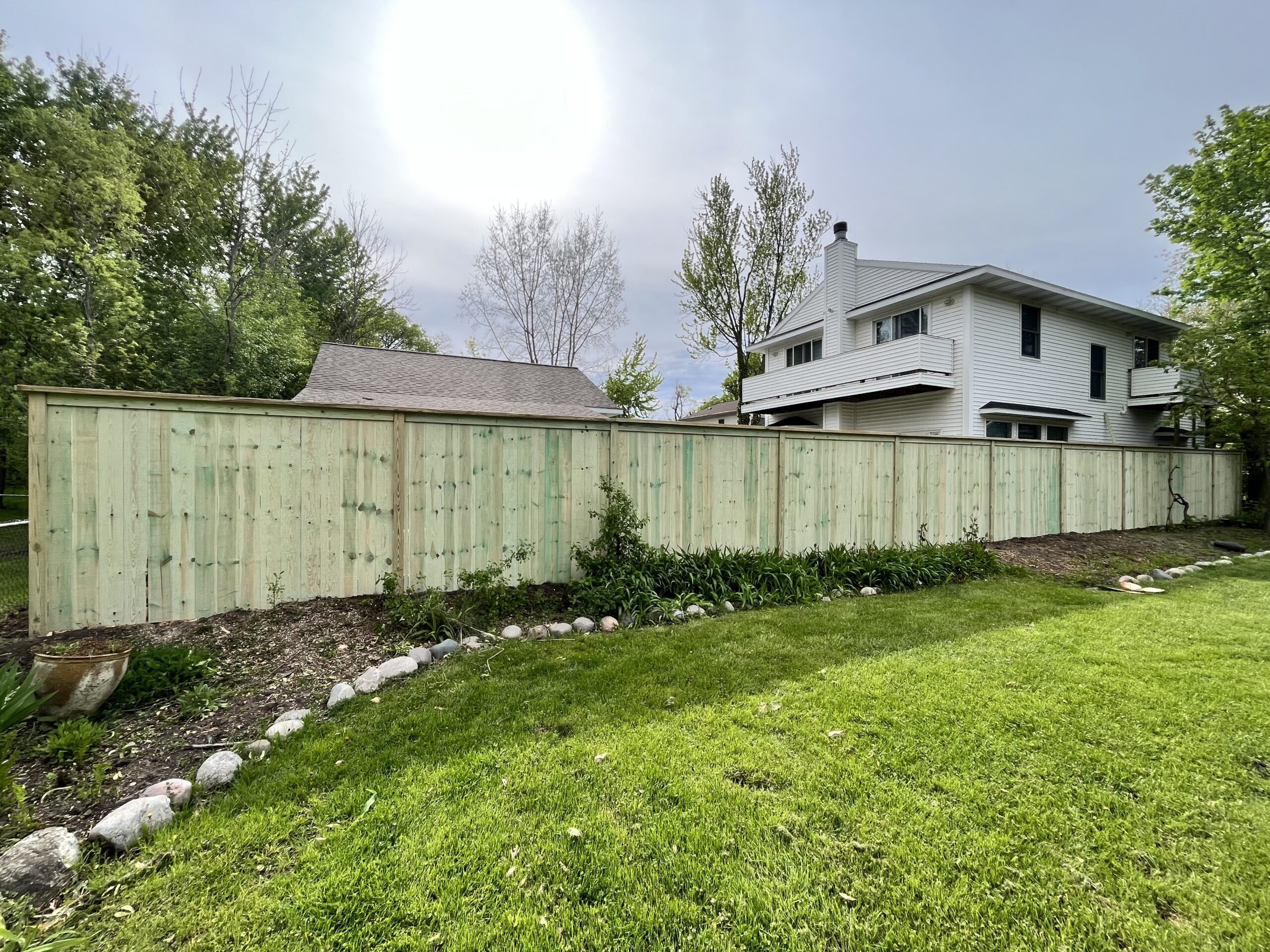
Repair and Maintenance
Should You Repair or Replace Your Fence?
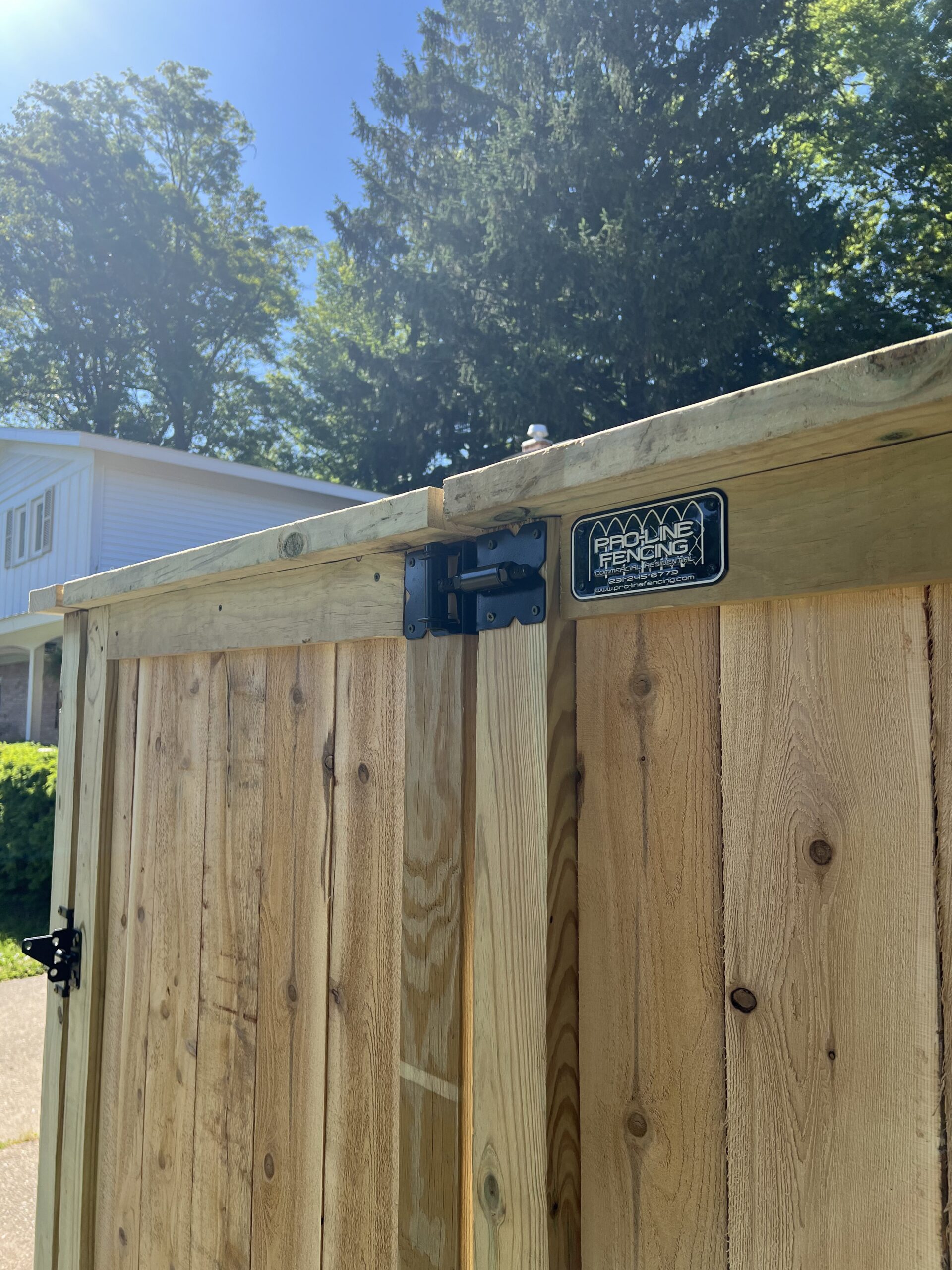
When a fence develops problems, the decision between repair and replacement depends on how much of the fence is affected, what is causing the damage, how old the fence is, and what the project will cost relative to the fence's remaining useful life. Isolated damage almost always favors repair. Widespread failure, advanced age, and recurring problems often favor replacement. This guide walks through the factors that matter most.
Quick Decision Summary
Repair usually makes sense when the damage is limited: one or two failing posts, a section of rotted boards, a gate that needs rehinging, or broken hardware. In these cases, the repair cost is typically a fraction of a full replacement, and the surrounding fence remains structurally sound.
Replacement becomes worth considering when posts are failing along multiple sections, when rot or deterioration is widespread rather than isolated, when the fence is near or past its expected service life, or when the cumulative cost of recurring repairs is approaching or exceeding the cost of a new fence. Getting quotes for both repair and replacement from a local contractor is the most reliable way to compare your specific situation.
Repair vs Replacement Table
Grand Rapids Fence comparison based on damage type, scope, material condition, age, and practical repair considerations. Individual project circumstances vary; this table provides a starting framework. Data last reviewed August 2026.
| Condition | Repair May Make Sense When | Replacement May Make Sense When | Notes |
|---|---|---|---|
| One damaged panel | Rest of fence is sound; matching material is available | Panel damage is symptomatic of widespread underlying deterioration | Matching aged material can be difficult for vinyl |
| One leaning post | Post is structurally sound; leaning is from frost heave or shallow original installation | Post has rotted at or below the ground line | A sound leaning post can often be reset with new concrete |
| Multiple failing posts | Failures are isolated and the fence is relatively young | Three or more consecutive posts are failing; failure appears systemic | Multiple failing posts often indicate original installation issues or advanced age |
| Recurring gate problems | Gate frame and posts are sound; hardware is worn | Gate posts have shifted or rotted; gate frame is warped or cracked | Hardware replacement alone is often a straightforward repair |
| Widespread rot | Rot is limited to a few boards or the base of one post | Rot is present at multiple posts or throughout a large panel section | Wood rot at the ground line spreads over time; inspect posts at the soil level[1] |
| Widespread corrosion | Corrosion is limited to hardware (hinges, latches, screws) | Structural metal components (chain link framework, aluminum posts) are extensively corroded | Hardware corrosion is normal maintenance; structural corrosion is a replacement indicator |
| Storm damage | Damage is isolated to a specific section; posts and structure are intact | Damage is widespread; multiple sections are damaged or posts have been displaced | Document damage for insurance review before starting any repairs |
| Fence near end of expected life | Fence is performing adequately despite age; no structural failures present | Fence has exceeded its expected service life and is showing multiple developing problems | Expected service life varies by material, installation quality, and maintenance history[2] |
| Layout no longer meeting property needs | Layout is adequate; only specific sections need improvement | Fence design, height, or material no longer fits the property's current use | If the fence needs to be changed significantly anyway, replacement allows full redesign |
When Repair Usually Makes Sense
Isolated damage is the clearest case for repair. A single post that has leaned from frost heave can often be reset by a contractor who excavates the old concrete footing, realigns the post, and resets it in new concrete. If the post is structurally sound (not rotted through), this is a manageable repair that costs far less than replacing the section. Similarly, a few rotted or cracked boards can be removed and replaced individually on a wood fence, with new boards stained or painted to approximate the existing color.
Recurring gate issues such as a sagging gate or failing latch hardware are often straightforward repairs. Gate hinges and latches wear over time and are maintenance items on any fence. If the gate posts are plumb and the gate frame is sound, hardware replacement is the appropriate fix. Only when the gate frame itself is warped, cracked, or the gate posts have shifted does the repair escalate toward a more significant project.
When Replacement May Make More Sense
Replacement becomes the more practical choice when problems are not isolated. If a fence inspection reveals three or more posts with ground-level rot, it is likely that others not yet visibly failing are also deteriorating. Replacing individual posts in a fence where the underlying cause (poor drainage, insufficient post depth, age) affects the whole installation often results in recurring repair costs over the following years.
A fence that has been repaired multiple times in recent years and is showing new problems each season may be past the point where incremental repairs are cost-effective. Comparing the expected cost of continued repairs over the next five years against the cost of a new fence that would come with a fresh start and contractor warranty is a reasonable framework for making this decision. A local contractor can help with this comparison. See the fence cost guide for current installation price ranges in Grand Rapids.
Isolated Damage vs Widespread Failure
The distinction between isolated and widespread damage is the most useful first filter in the repair-versus-replacement decision. Isolated damage affects one or two components in a fence that is otherwise performing well. Widespread failure means the problem is present throughout significant portions of the fence, whether from age, drainage issues, original installation quality, or material reaching the end of its service life.
Accurately assessing scope requires more than a visual inspection of the fence above grade. For wood fences, probing posts at the soil line with a screwdriver or awl reveals rot that may not yet be visible. Pushing posts at mid-height reveals whether they are still anchored solidly. A fence that appears intact above grade can have significant structural deterioration hidden at and below the ground line.[1]
Fence Age and Material
The expected service life of a fence varies by material, installation quality, and maintenance history.[2] A well-maintained cedar fence may perform well for 15 to 25 years or more, while a neglected or poorly installed fence of the same material may show significant deterioration in 8 to 12 years. Vinyl fences, which do not rot, often remain structurally sound longer than wood fences but can develop post failures and panel damage over time.
Fence age is most useful as context for the repair decision rather than as a trigger by itself. A 20-year-old fence with one failing post and otherwise sound structure may be worth repairing if the rest of the fence is performing well. A 12-year-old fence with multiple failing posts, widespread rot at the ground line, and panels showing significant weathering may be a better candidate for replacement, because investing in repairs on a fence in declining condition often results in additional repair needs within a few years.
Posts, Panels, Rails, and Gates
Different fence components fail for different reasons and have different repair implications. Posts are the structural foundation of the fence and fail most often from rot at or below the ground line, frost heave from shallow original installation, or deteriorated concrete footings. Post repair or replacement is a more significant job than panel or board replacement because it requires excavating the old footing and resetting in concrete.
Panels and boards fail from rot, moisture damage, physical impact, and in the case of vinyl, UV exposure and impact cracking. Individual wood boards are straightforward to replace; matching their color to an aged fence takes a few maintenance cycles of staining. Vinyl panel replacements must match the original product profile and color, which can be difficult as panels age and as product lines change.
Rails (the horizontal members on wood fences that boards are nailed to) can rot or split over time, particularly at points where they contact posts. Rail replacement is a moderate repair: more involved than board replacement but less disruptive than post replacement. Gates and gate hardware are mechanical components that wear and should be inspected regularly. The gate installation and repair page covers gate-specific issues in more detail.
Rot, Rust, Movement, and Storm Damage
Wood rot is a biological decay process driven by fungal growth that requires moisture, oxygen, moderate temperature, and organic material.[1] Ground contact is the highest-risk zone because soil retains moisture against the wood, and freeze-thaw cycling stresses the wood fibers, increasing porosity. Rot progresses upward from the base but is often well advanced at the soil line before visible deterioration appears above grade. Probing posts at and below the soil line is the most reliable way to assess their condition.[1]
Rust and corrosion affect metal components: chain link fabric, hardware, and steel or aluminum posts. Galvanized hardware and chain link resist corrosion significantly longer than non-galvanized alternatives, but all metal components eventually corrode in Michigan's wet climate. Surface rust on hardware is a maintenance item. Deep pitting, cracking, or structural section loss in metal components indicates replacement is needed.
Post movement from frost heave or impact (vehicle, fallen tree) can often be assessed by checking whether the post is structurally intact despite being out of plumb. A post that is leaning but shows no rot or other structural damage when examined at the ground line may be resettable. A post that has snapped, cracked, or deteriorated at the base needs replacement. Storm damage should be documented with photographs before any work begins, both for insurance purposes and to provide the contractor with a clear picture of the pre-repair condition.
Cost Factors
Fence repair costs vary by the type of repair, the material, the number of components being replaced, and local contractor rates. Minor repairs (single post reset, a few boards replaced, gate hardware replacement) are typically far less expensive than a full replacement. Extensive repairs involving multiple posts, new concrete, and significant panel work can approach the cost of replacing a fence section entirely.
When comparing repair and replacement costs, consider the expected additional life each option provides and whether the underlying cause of the damage has been addressed. A repair that fixes symptoms without addressing root causes (poor drainage, inadequate post depth, material at end of life) may need to be repeated within a few years. A replacement that addresses installation quality and material choice should provide a longer trouble-free service life.
For current fence installation and repair cost ranges in the Grand Rapids area, see the fence cost guide. Requesting quotes from multiple local contractors for the same scope is the most accurate way to understand what repair or replacement will cost for a specific project.
Partial Replacement
Partial replacement, where one or more sections of a fence are fully replaced while others are kept, is an option when damage is concentrated in specific areas but the rest of the fence is performing well. This approach is common when one run of fence (such as the rear panel) has experienced storm damage or drainage-related deterioration while other runs are in good condition.
The practical limitation of partial replacement is material matching. Wood fencing can be stained to approximate the existing color, though an exact match is difficult. For vinyl fencing, matching the existing panel profile, color, and wall thickness exactly requires finding the same product that was originally installed, which may no longer be available. A local contractor can advise whether a suitable match is achievable before committing to partial replacement.
Questions to Ask Before Deciding
Before committing to repair or replacement, these questions can help clarify the right path:
- Is the damage isolated to specific components, or is it distributed across multiple sections of the fence?
- When was the fence originally installed, and what is its maintenance history?
- Have any of these issues been repaired before, and how long did the repair last?
- What is causing the damage? Has that cause been addressed or is it ongoing?
- What is the estimated cost of repair, and what additional life is it expected to provide?
- What is the estimated cost of replacement, and what would the new fence specification include?
- Does the damage appear to be from a covered event (storm, fallen tree) that could be a homeowners insurance claim?
- Is a permit required for the scope of work being considered?[3]
Having a licensed fence contractor walk the property and provide written quotes for both repair and full replacement is generally the most useful next step when the right answer is not clear. See the fence repair page for local service information and the find a contractor page to request quotes.
Frequently Asked Questions
Is it cheaper to repair or replace a fence?
It depends on the scope of damage. Isolated damage (a single post, a few boards, worn gate hardware) is almost always less expensive to repair than to replace the full fence. Widespread damage across multiple sections, or a fence near the end of its service life with multiple developing problems, may be more cost-effective to replace when total cost over the next several years is considered. Getting quotes for both options from a local contractor is the most reliable comparison.
How do I know if my fence posts need replacing?
The clearest sign is rot at or below the ground line. Push the post at mid-height: if it moves significantly or if the base feels soft when probed with a screwdriver or awl, rot has compromised the structural section.[1] A post that leans but is structurally sound may be resettable. A post that is visibly rotted at the base, snapped, or cracked needs replacement.
Can fence posts be replaced without removing the whole fence?
Yes, in many cases. A contractor can excavate and replace individual posts while leaving surrounding panels largely intact. This is a common repair for isolated post failures on otherwise sound fences. The process involves breaking out the old concrete footing, removing and replacing the post, setting new concrete, and reattaching panels once the footing has cured.
Does homeowners insurance cover fence damage?
Michigan homeowners policies typically cover fence damage from covered perils such as windstorm, falling trees, fire, or vehicle impact. Gradual deterioration and rot are generally excluded. If a sudden event damaged your fence, document with photographs before any work is done and contact your insurer before deciding whether to file a claim.
Do I need a permit to replace a fence in Grand Rapids?
The City of Grand Rapids requires permits for fence installation, and full fence replacement typically requires a permit.[3] Partial repairs may or may not require a permit depending on scope. Confirm current requirements with the City of Grand Rapids Building Safety department before starting work.
Sources
Sources were selected for relevance, authority, and practical homeowner use. Requirements and recommendations may change, so confirm current local rules before beginning a project.
- USDA Forest Products Laboratory. "Wood Handbook: Wood as an Engineering Material." Government Research. https://www.fpl.fs.usda.gov/. Accessed August 2026.
- Michigan State University Extension. "Wood Deterioration and Decay in Michigan Conditions." University Extension. https://www.canr.msu.edu/. Accessed August 2026.
- City of Grand Rapids. "Fence Permit." Government. https://www.grandrapidsmi.gov/Government/Departments/Community-Development/Building-Safety/Permits/Fence-Permit. Accessed August 2026.
Related Guides
Materials and Comparisons
Wood vs Vinyl Fence for Michigan Homes
Compare appearance, maintenance, repairability, and cost factors for wood and vinyl fencing.
Read Guide
Installation and Michigan Conditions
How Deep Should Fence Posts Be in Michigan?
Understand frost depth, soil factors, utility marking, and permit requirements before installing posts.
Read GuideReady to Plan Your Fence Project?
Compare your options, then request quotes from available fence contractors serving Grand Rapids and West Michigan.