Installation and Michigan Conditions
Do You Use 8-Foot or 10-Foot Posts for a 6-Foot Fence?
Both 8-foot and 10-foot posts can be used for a 6-foot fence depending on required burial depth, frost conditions, fence material, gate requirements, and manufacturer specifications. In Michigan, where the frost depth in the Grand Rapids area reaches approximately 42 inches, [1] the required burial depth for most residential fence posts means that 8-foot posts may not leave adequate above-ground height in many scenarios. Ten-foot posts are commonly used for 6-foot privacy fence in this region to allow posts to reach below the frost line while maintaining full above-grade fence height. The right answer depends on specific site conditions and what the installer and fence manufacturer specify.
Above-Ground vs Total Post Length
The total length of a fence post must account for two separate requirements: the height above grade that the fence design demands, and the depth below grade that structural and frost requirements demand. These two numbers are added together to determine the minimum total post length needed.
For a 6-foot fence, the post must extend at least 72 inches above grade to support the fence panels at their full intended height. In some fence systems, the post also extends above the top rail to accommodate a post cap, which adds a small additional amount. The above-grade requirement is determined by the fence design.
The below-grade requirement is determined by frost depth, soil conditions, and manufacturer specifications. These two requirements combine to define the minimum post length for the project.
Required Burial Depth
In the Grand Rapids area, the frost depth reaches approximately 42 inches. [1] A post buried to 42 inches has its base at the frost line. Most professional installers target a depth at or slightly beyond the frost depth to ensure the footing base is below the zone of active soil movement.
Adding the above-grade requirement to the burial requirement: 72 inches above grade plus 42 inches of burial equals 114 inches total, or 9.5 feet. An 8-foot (96-inch) post falls short of this total by approximately 18 inches. A 10-foot (120-inch) post provides enough total length to meet both requirements with some margin.
This is why 10-foot posts are the standard for 6-foot privacy fence installations in Michigan rather than 8-foot posts. The math of above-grade height plus Michigan frost depth simply does not fit within an 8-foot post in most cases. [2]
Frost Depth in Michigan
Michigan's frost depth varies somewhat by location and year, but the Grand Rapids area design frost depth is approximately 42 inches. [1] This value represents the depth at which the soil freezes during a typical winter and is used as the reference for setting post footings below the active frost zone.
A post with its footing above the frost depth sits in soil that moves seasonally. Each winter, freeze-thaw cycling pushes the surrounding soil upward and laterally. Over multiple winters, cumulative movement tilts and raises shallow posts. The effects range from minor alignment problems to significant leaning and gate failure. See What Happens If Fence Posts Are Not Deep Enough? for a full explanation of the consequences.
Gate Posts
Gate posts carry more mechanical stress than line posts and typically require both deeper burial and larger diameter post stock than standard line posts. The weight of the gate pulling on the hinge hardware, combined with the dynamic force of repeated opening and closing, creates load that demands a particularly stable footing. [2]
In some installations, gate posts use longer stock than line posts even when the fence height is the same. If a project uses 10-foot posts for line posts to accommodate frost depth requirements, gate posts may require 10-foot or longer stock at a larger diameter. The gate post specification should be confirmed against the manufacturer's installation guide for the fence system being installed.
Privacy Fence Wind Load
A 6-foot privacy fence presents a solid surface to wind. Unlike open-pattern fencing where wind passes through the gaps, a privacy fence captures nearly the full force of wind across its panel area, making post burial depth especially important for structural stability. [2]
The buried portion of a post functions as the anchor against wind forces applied to the above-grade portion. A post with more burial depth has a longer anchor arm and greater resistance to wind-induced tilting. In Michigan, where lake-effect weather produces sustained gusts and periodic high-wind events, an adequately buried post is a meaningful structural consideration for privacy fence, not just a frost-depth formality.
The combination of wind load and frost requirements reinforces why 10-foot posts are the standard for 6-foot privacy fence in this region. The additional burial depth beyond the minimum frost depth provides improved wind resistance as well.
Material Differences
Post length requirements are not identical across fence materials. Each fence system has manufacturer specifications that define the required post length, diameter, and footing size for the intended fence height.
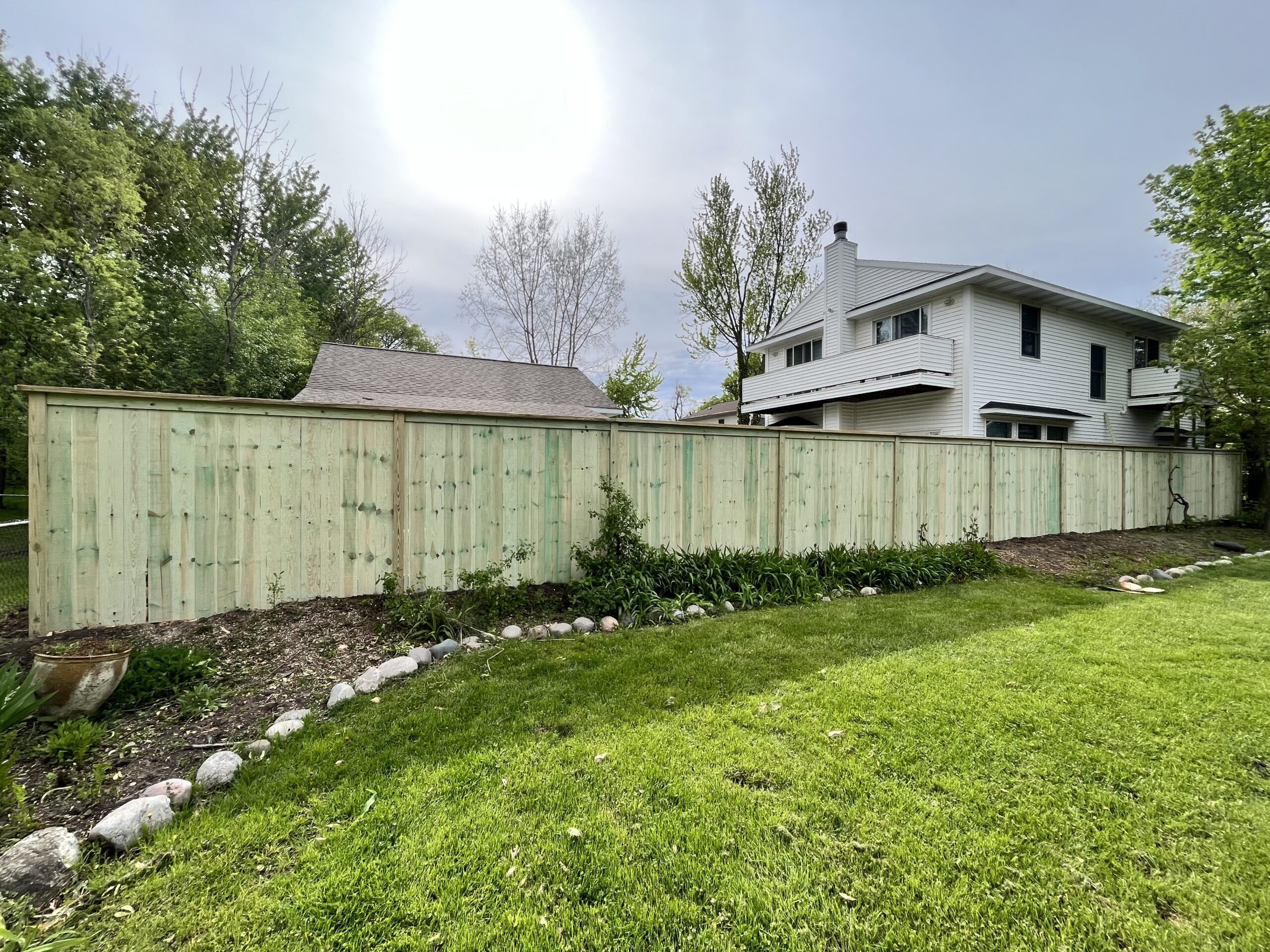
Wood privacy fence: Wood posts for a 6-foot privacy fence are commonly 10-foot stock in Michigan to allow burial below the frost line. The post is typically set in concrete with the post base at or below the frost depth.
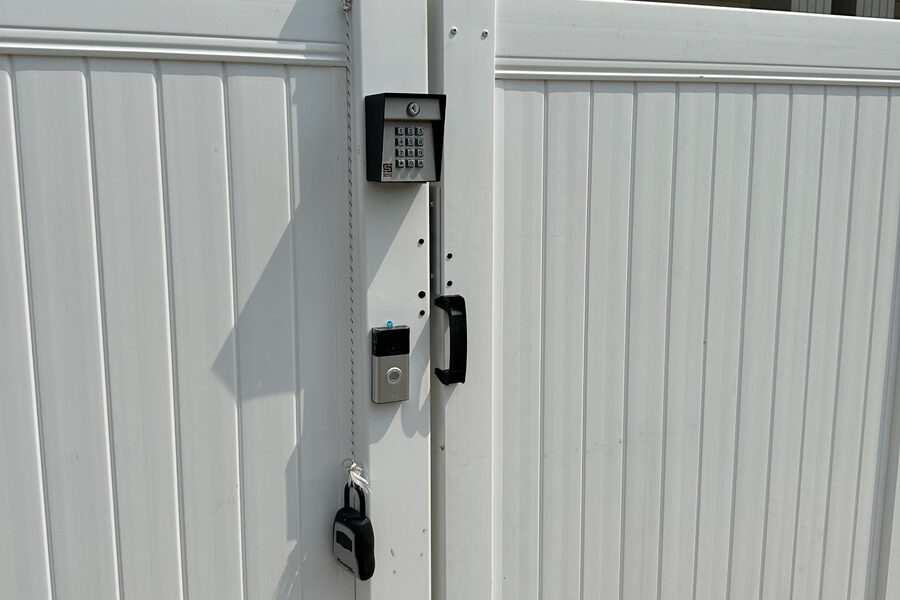
Vinyl fence systems: Vinyl fence systems use a structural steel or aluminum insert post inside a vinyl sleeve. The insert post length is specified by the manufacturer for each fence height and panel configuration. Total post length requirements may differ from what a simple depth-plus-height calculation produces, because the system design incorporates the structural requirements into the specified post dimensions. Always confirm total post length with the vinyl fence manufacturer's installation documentation for the specific product. [2]
Aluminum ornamental fence: Aluminum fence posts are specified by the manufacturer for each fence height. Post length, diameter, and footing depth are defined in the product's installation guide. These specifications should be followed rather than substituting a general rule of thumb.
Chain link: Chain link fence has separate specifications for line posts, terminal posts (corner, end, and gate), and top rail height. Line post length is calculated based on fence height plus burial depth. Terminal posts require deeper burial and heavier gauge than line posts.
Why One Length Does Not Fit Every Project
Site-specific conditions can shift the post length requirement in either direction from the standard calculation. Grade changes are a common factor: if a fence runs across a slope, posts at the low end of the slope may need to be set deeper to maintain consistent above-grade height at all fence sections, which can require longer post stock. Posts on flat ground with level grade are simpler to specify.
Soil conditions also play a role. In particularly poor-draining clay soils or in areas with known soil stability concerns, a contractor may specify additional burial depth beyond the frost line minimum. This increases the required total post length accordingly.
The consistent answer is to confirm post length requirements with the fence installer and manufacturer before ordering materials. A professional installer familiar with Grand Rapids-area site conditions can confirm what is appropriate for the specific fence system and location. For more on how depth affects fence performance, see How Deep Should Fence Posts Be in Michigan? To learn about hole sizing, see Is an 8-Inch Hole Big Enough for a 4x4 Post? For post spacing, see How Far Apart Should 4x4 Fence Posts Be? If you are ready to plan a new privacy fence, learn about privacy fence installation in Grand Rapids.
Frequently Asked Questions
Can I use 8-foot posts for a 6-foot fence in Michigan?
In limited scenarios yes. With 24 inches of burial an 8-foot post provides 72 inches above grade. However, 24-inch burial is significantly above Michigan's approximate 42-inch frost depth [1] and posts set this shallow carry meaningful frost heave risk over time. Most Michigan contractors use 10-foot posts for 6-foot privacy fence to allow adequate burial below the frost line while maintaining full above-grade fence height. [2]
How much of a fence post should be above ground?
The post must extend above ground by at least the fence height plus any post cap or finish hardware above the top rail. For a 6-foot fence the post extends roughly 72 inches above grade. The buried portion is determined by depth requirements, not by a fixed above-ground formula. [2]
Do gate posts need longer stock than line posts?
Gate posts carry more mechanical stress than line posts and typically require deeper burial and larger diameter post stock. In some installations gate posts use 10-foot stock even where 8-foot posts might be used for line posts, because the gate post must extend below the frost line while also providing adequate above-grade height for the gate hardware. [2]
Does the fence material affect what post length I need?
Yes. Vinyl fence systems that use a structural post inside a vinyl sleeve have specific total post length requirements depending on the system. Chain link and aluminum ornamental fence have their own diameter and depth specifications. Always confirm post length requirements with the fence manufacturer's installation documentation for the specific product being installed. [2]
Sources
Sources were selected for relevance, authority, and practical homeowner use. Requirements and recommendations may change, so confirm current local rules before beginning a project.
- . "Michigan Soil Frost and Construction Resources." https://www.canr.msu.edu/.
- . "Consumer Resources." https://www.americanfenceassociation.com/.
Related Guides
Installation and Michigan Conditions
How Deep Should Fence Posts Be in Michigan?
Factors affecting fence post depth including frost depth and permit requirements.
Read Guide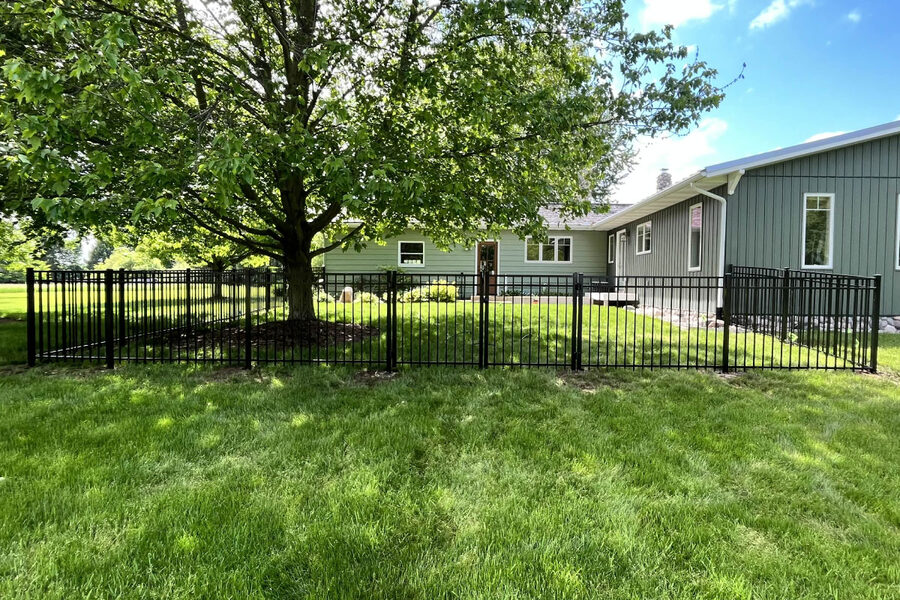
Installation and Michigan Conditions
What Happens If Fence Posts Are Not Deep Enough?
Consequences of shallow post installation including frost heave leaning and gate problems.
Read Guide
Installation and Michigan Conditions
How Far Apart Should 4x4 Fence Posts Be?
What affects fence post spacing including panel width material height and layout.
Read GuideReady to Plan Your Fence Project?
Compare your options, then request quotes from available fence contractors serving Grand Rapids and West Michigan.