
Fence Gate Installation and Repair in Grand Rapids
Sagging gates, failed latches, and broken hardware are among the most common fence calls in West Michigan. Understand your options and request quotes from available local contractors.
Gate Installation and Repair in West Michigan
A fence gate is the most mechanically active part of any fence. Hinges, latches, and frame connections experience repeated stress every time the gate is used. Add Michigan's freeze-thaw cycle and the result is that gates fail before the fence panels around them in most residential yards.
Gate work ranges from simple hardware replacement and hinge adjustment to full gate post resetting and custom gate fabrication. The right approach depends on whether the issue is in the gate frame, the hardware, or the posts that support it.
Grand Rapids Fence helps homeowners understand gate options and connect with local contractors who handle gate installation and repair across Kent County and surrounding West Michigan communities.
Common Reasons Homeowners Request Gate Work
Gate Sagging or Dragging
The most common gate call. Usually caused by worn hinges, a racked frame, or a leaning gate post. May be repairable with hardware replacement or post work, depending on the root cause.
Latch Failure or Security Concern
Latches wear out over time. A gate that does not close securely is a safety concern for households with children or pets. Hardware replacement is typically a low-cost fix.
New Gate Addition
Adding a walk gate or driveway gate to an existing fence requires cutting the fence, setting reinforced gate posts with deep footings, and hanging a new gate frame. This is one of the most common fence modification requests.
Pool Code Compliance
Pool enclosure gates must be self-closing and self-latching under Michigan code. Upgrading an existing gate to meet code is a straightforward hardware or frame job for most contractors.
Driveway Gate Installation
Single or double swing gates for vehicle access. Driveway gates require reinforced posts and high-load hardware. Automatic openers are a common addition.
Storm Damage Replacement
Gates that have been struck by vehicles or damaged by falling trees often need full replacement. Damaged gate posts may also require resetting as part of the repair.
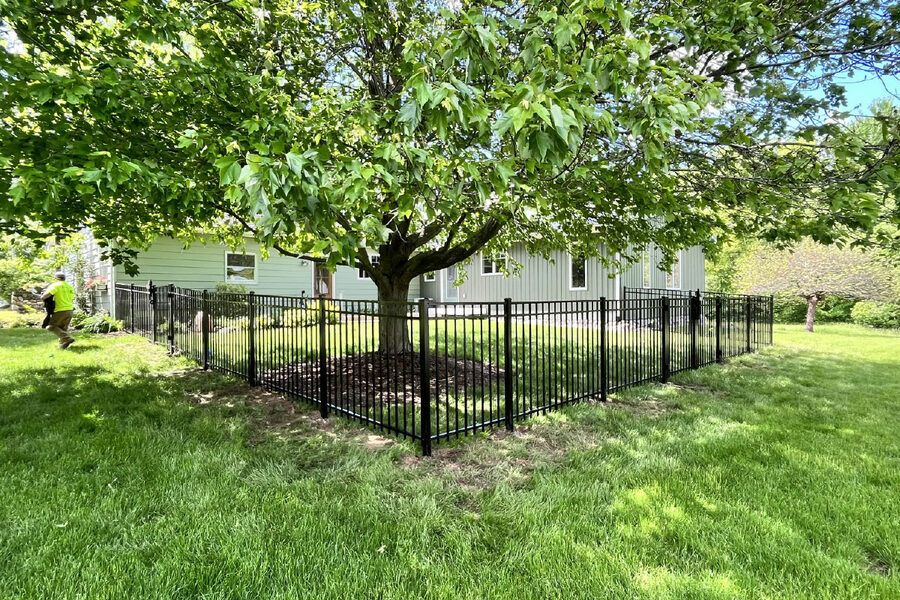
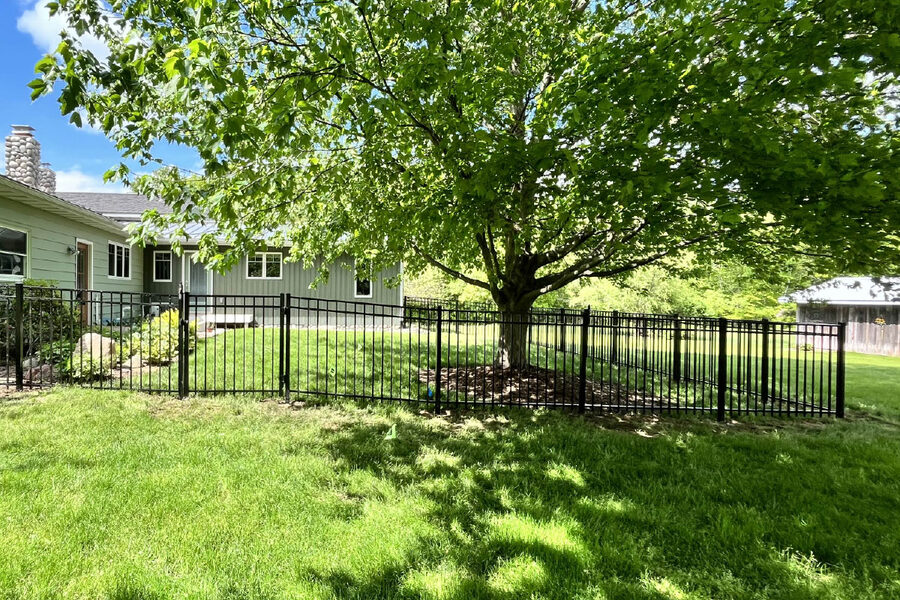
Aluminum fence enclosure with walk gate at a residential property in the Grand Rapids area.
Common Fence Gate Types
Gate selection depends on purpose, width, fence material, and budget. These are the most common gate types installed in West Michigan.
Single Walk Gate
A standard 3 to 4-foot-wide pedestrian gate for residential yard access. The most common gate type. Available in wood, vinyl, aluminum, and chain link to match the surrounding fence. Usually hung between two reinforced gate posts.
Double Swing Driveway Gate
Two gate panels that swing open from a center point for vehicle access. Requires a clear swing arc in front of and behind the gate. Popular for privacy fence driveways. Can be manual or automatic.
Slide Gate
A gate that rolls parallel to the fence line on a track or cantilever system. Used where there is not enough room for a swing arc. Common on commercial properties. Can be automated with a motor and access control.
Pool Enclosure Gate
Gates designed to meet pool code requirements: self-closing, self-latching, with the latch on the pool side at a minimum height and the gate opening outward away from the pool. Aluminum is the most common material for pool gates.
Chain Link Walk or Drive Gate
Galvanized or vinyl-coated chain link gates for commercial, utility, or budget-conscious applications. Chain link driveway gates are common at storage yards, commercial properties, and utility areas across West Michigan.
Arched or Custom Gate
Custom-fabricated gates with arched tops, decorative elements, or non-standard widths. Available in aluminum and steel for ornamental applications. Typically priced higher than standard gates due to custom fabrication requirements.
What Fence Gate Work Costs in Grand Rapids
Gate pricing depends on gate type, material, width, whether post work is needed, and whether automation is included.
| Gate Work Type | Typical Range | Notes |
|---|---|---|
| Hardware replacement (hinges, latch) | $75 to $250 | Labor plus parts; fastest gate repair |
| Gate post reset | $200 to $450 per post | Includes concrete work and curing time |
| Walk gate installation | $200 to $600 | Varies by material, width, and post work required |
| Driveway gate (single, manual) | $400 to $900 | Chain link or aluminum; wood costs more |
| Double driveway gate (manual) | $700 to $1,600 | Both panels plus hardware and post work |
| Automatic opener addition | $600 to $2,000+ | Motor type, power source, and access control features |
- Typical Range
- $75 to $250
- Notes
- Labor plus parts; fastest gate repair
- Typical Range
- $200 to $450 per post
- Notes
- Includes concrete work and curing time
- Typical Range
- $200 to $600
- Notes
- Varies by material, width, and post work required
- Typical Range
- $400 to $900
- Notes
- Chain link or aluminum; wood costs more
- Typical Range
- $600 to $2,000+
- Notes
- Motor type, power source, and access control features
Michigan Gate Considerations
West Michigan's climate creates specific demands on gate posts, hardware, and frame construction that affect long-term gate performance.
Gate Post Depth Is Critical
Gate posts carry more load than any other fence post because they resist the active force of the gate swinging open and closed, compounded by frost heave and soil movement. Gate posts should be set at least 48 inches deep in Kent County with oversized concrete footings. Posts set at the standard line post depth of 42 inches frequently fail within a few years when supporting a functioning gate.
Hardware Corrosion in Michigan Winters
Gate hardware including hinges, latches, and spring closers is exposed to road salt spray and moisture throughout Michigan winters. Galvanized or stainless steel hardware lasts significantly longer than zinc-coated or painted steel in West Michigan conditions. When specifying gate hardware, ask the contractor what coating standard the hardware meets and whether replacement parts are available.
Wood Gate Frame Racking
Wood gate frames are prone to racking over time as the mortise and tenon connections loosen and the frame absorbs moisture. A diagonal brace running from the hinge-side top corner to the latch-side bottom corner helps resist racking. Gates built without proper diagonal bracing will sag faster in Michigan's wet climate. Some contractors use steel cable tensioners as an alternative to solid bracing.
Automatic Gate Openers in Cold Weather
Gate openers in Michigan must be rated for cold-weather operation. Standard openers can slow significantly or fail to function below certain temperatures. Battery backup systems for openers can lose charge faster in cold. Specify cold-weather-rated openers and keep the battery maintained if you are adding automation to a gate that will be used year-round.
Pool Gate Code Requirements
Michigan building code requires pool enclosure gates to be self-closing and self-latching, with the latch mechanism on the pool-facing side at a height inaccessible to young children. The gate must swing outward away from the pool. Local municipalities may have additional requirements. Confirm current code with the City of Grand Rapids Building Safety Department or your township before installation.
The Gate Installation and Repair Process
Whether you are repairing a sagging gate or installing a new one, the sequence below is typical for West Michigan residential and commercial gate projects.
Assess the Root Cause
A good contractor identifies whether the gate problem originates in the hardware, the gate frame, or the gate post before recommending a fix. Replacing hardware on a leaning gate post produces a short-term result. Ask your contractor to check post plumb before beginning any gate repair.
Determine Gate Post Condition
Gate posts are probed for rot and checked for plumb. If a post needs resetting or replacement, that work must be completed and cured before the gate is rehung. Skipping this step is the most common reason gate repairs fail within a season.
Post Setting and Curing
If new or reset gate posts are required, concrete footings are poured and must cure for at least 24 to 48 hours before the gate is hung. Gate posts require larger-diameter footings than line posts. Requesting that the contractor use at least 60-pound bags of concrete per post is reasonable for gate applications.
Gate Frame and Hardware Installation
The gate frame is attached to the post using heavy-duty hinges. Latch hardware, spring closers for pool gates, and any anti-sag systems are installed and adjusted. Gate swing direction and opening clearance are confirmed before finalizing hardware positions.
Operation Testing
The gate is opened and closed repeatedly to confirm smooth operation, correct latch engagement, and level swing. Any rubbing on the ground or frame binding is adjusted before the job is complete. For pool gates, self-closing spring tension is confirmed to ensure the gate closes and latches without manual assistance.
Final Inspection
Walk through gate function with your contractor. Test the latch from both sides. Confirm the gate operates correctly at the start of the project, as new hardware can shift slightly in the first weeks of use. Ask whether any follow-up adjustment is covered.
Gate Materials for West Michigan
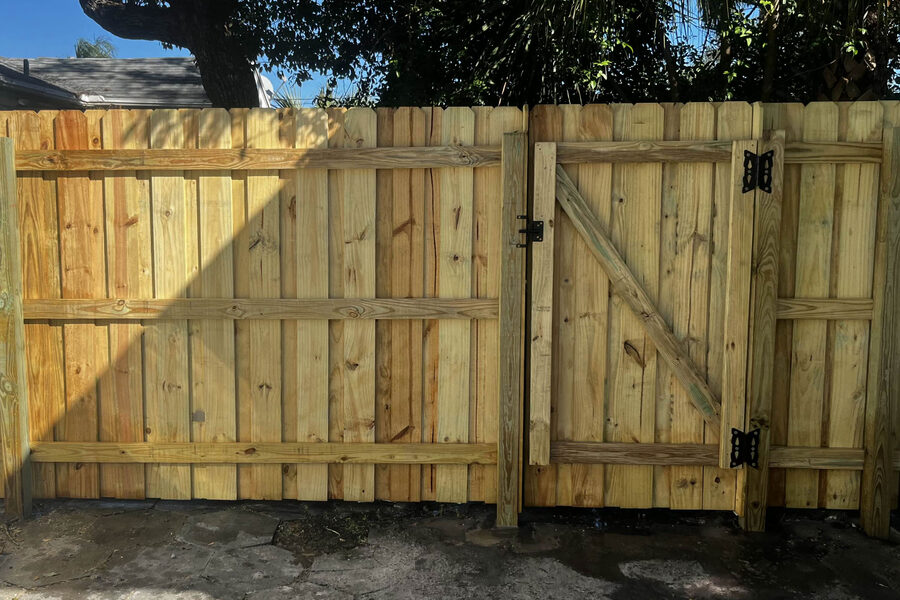
Wood Gate
Cedar and pressure-treated pine gates match wood privacy fences well. Requires a diagonal brace for frame stability and periodic sealing to prevent moisture damage.
Explore Wood Fence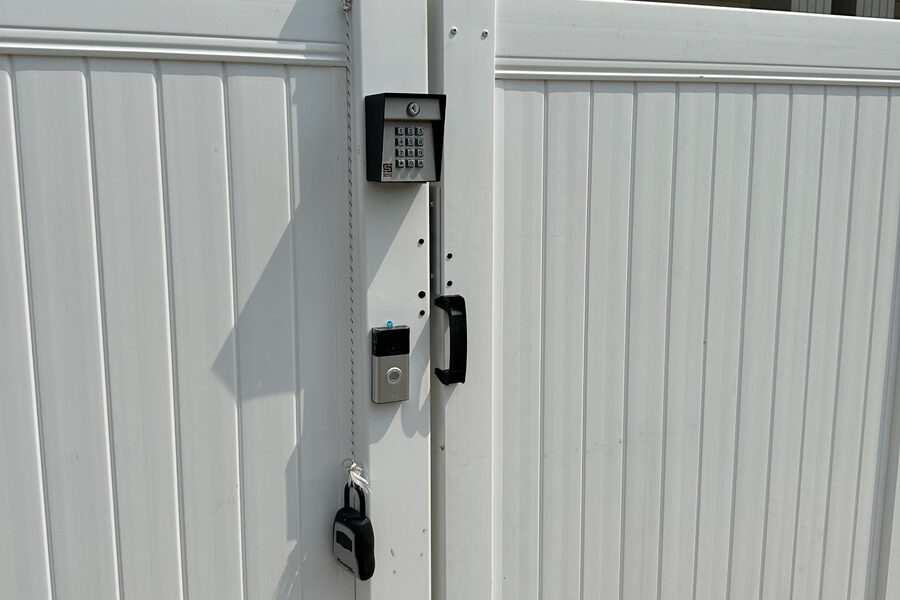
Vinyl Gate
Low-maintenance and moisture-resistant. Vinyl gate frames use steel reinforcement inside the extrusions. Good option for vinyl fence enclosures where visual consistency matters.
Explore Vinyl Fence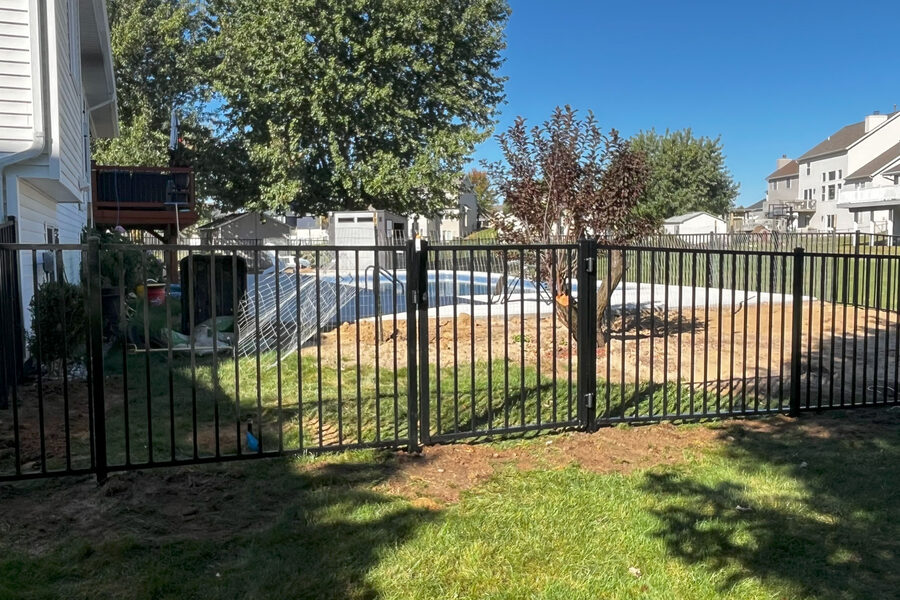
Aluminum Gate
The most weather-resistant gate material for West Michigan. Does not rust, holds shape through freeze-thaw cycles, and is preferred for pool gates and ornamental applications.
Explore Aluminum Fence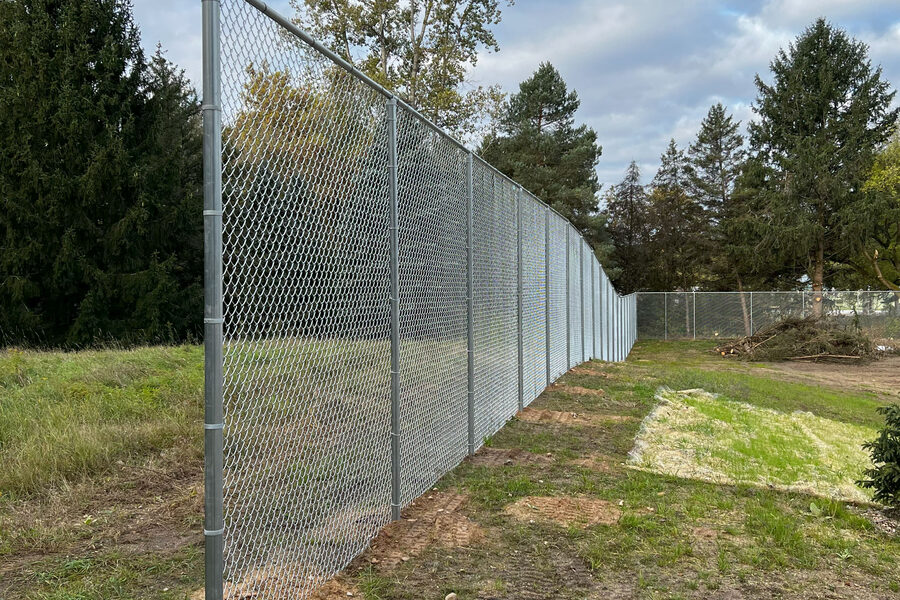
Chain Link Gate
Galvanized steel frame with chain link fabric. The most budget-friendly gate option. Common for commercial, utility, and residential chain link fences.
Explore Chain Link FenceGate Installation and Repair Questions
Why is my fence gate sagging in Grand Rapids?
Gate sag is most commonly caused by gate post lean, worn hinges, or a gate frame that has racked over time. Gate posts require deeper concrete footings and heavier post stock than line posts. In West Michigan, frost heave is a frequent contributor to gate post movement. A contractor can assess whether the issue is in the post, the hinges, or the gate frame itself.
How much does fence gate installation cost in Grand Rapids?
A walk gate installation typically costs $200 to $600 depending on material, height, and width. Single-width driveway gates run $400 to $900. Double driveway gates and gates with automatic openers cost significantly more, from $1,200 to $3,500 or higher depending on gate width, opener type, and site requirements.
Can I repair a sagging gate without replacing the gate post?
Sometimes. If the post is plumb and sound but the hinges have worn or loosened, replacing hinges and adjusting hinge placement can restore gate function. If the post has leaned or rotted, post repair or replacement is necessary before rehinging will produce a lasting result.
What is the best gate material for West Michigan weather?
Aluminum is the most weather-resistant gate material for West Michigan. It does not rust, does not warp from moisture, and holds its shape through freeze-thaw cycles better than wood. Vinyl gates are also low-maintenance but can crack in extreme cold. Wood gates require periodic maintenance and are more prone to frame racking in Michigan's climate.
Do fence gates require deeper posts than line posts?
Yes. Gate posts carry significantly more load due to the mechanical stress of the gate opening and closing. Gate posts should be set deeper with larger-diameter concrete footings and heavier post stock than line posts. Undersized gate post footings are the primary reason new gates sag within the first few years.
What are pool fence gate code requirements in Michigan?
Michigan code and most local ordinances require pool enclosure gates to be self-closing and self-latching, with the latch on the pool side and positioned at a height children cannot reach. The gate must open outward away from the pool. Confirm specific requirements with your local building department before installation.
Fence Gate Guides
Common questions about fence gate costs, types, problems, and installation answered in plain language.
Ready to Get Gate Quotes?
Describe your gate project and we will connect you with available local contractors serving Kent County and West Michigan.