Fence Types: How to Choose the Right Material for Your Property
Wood, vinyl, aluminum, and chain link each have distinct cost profiles, maintenance demands, and performance characteristics in West Michigan's climate. This guide helps you decide before you talk to a contractor.
The Four Main Fence Materials
Wood Fence
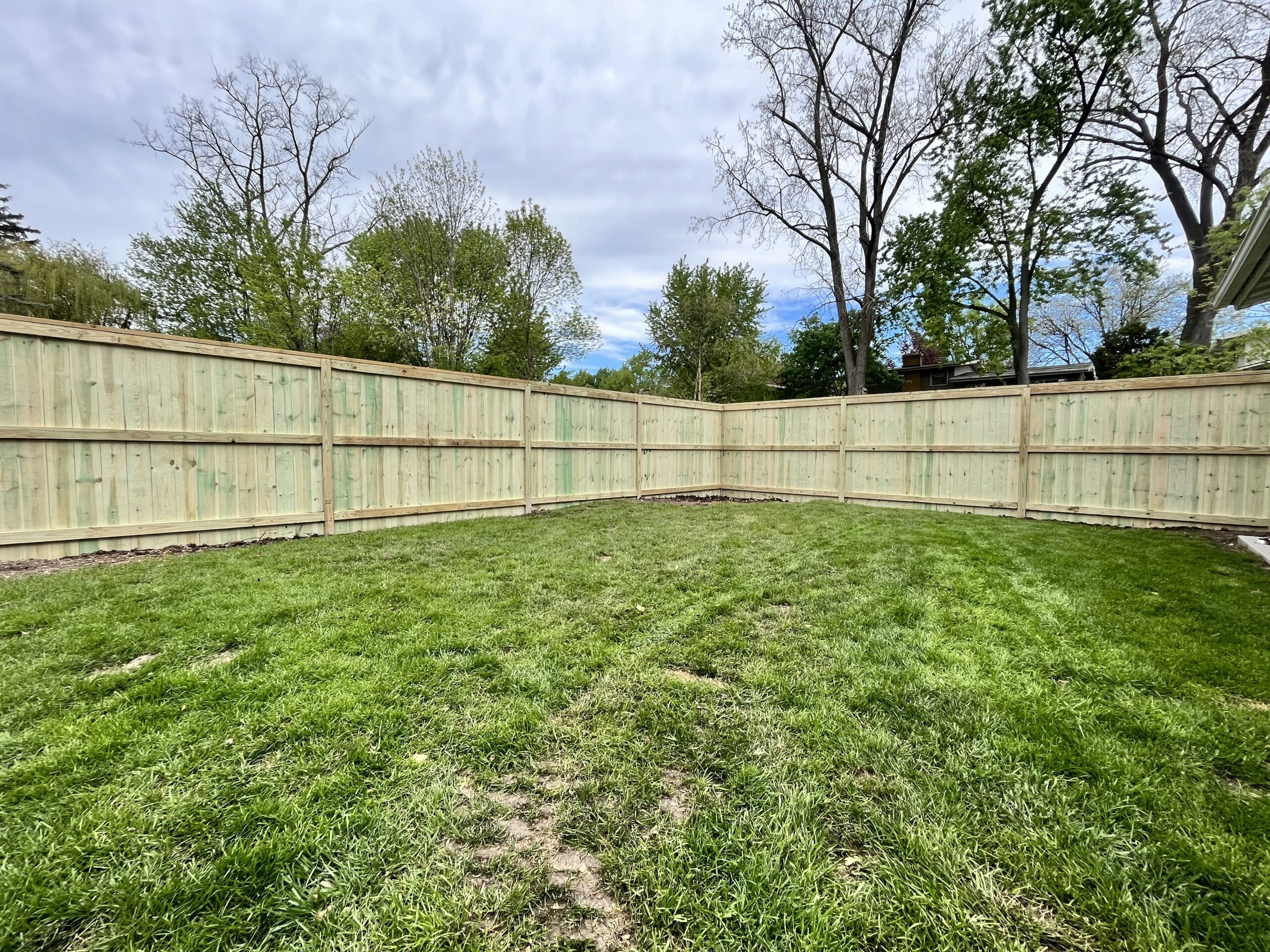
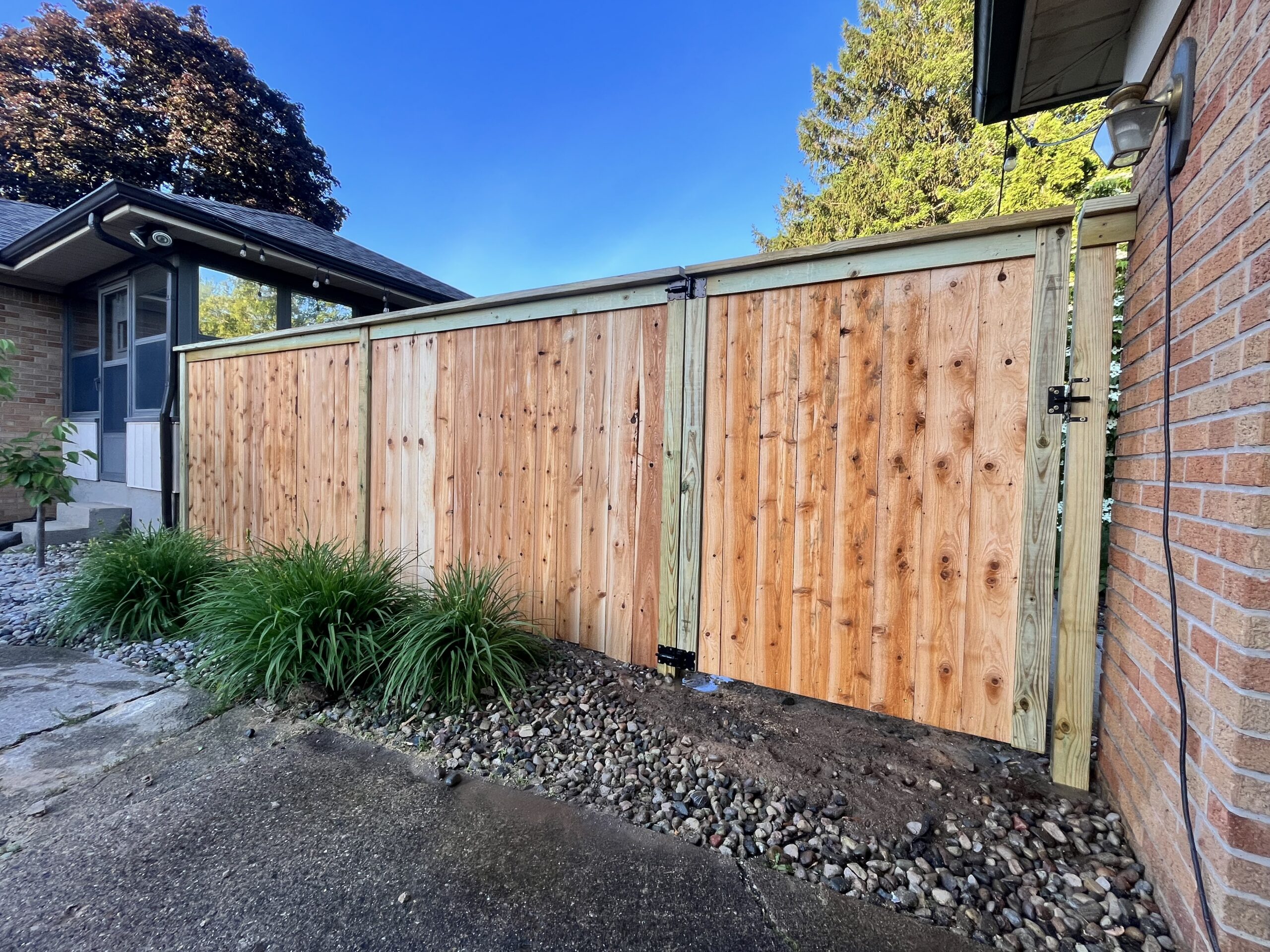
The most requested fence material in West Michigan by a wide margin. Cedar and pressure-treated pine are the dominant species; both handle the freeze-thaw cycle well when properly installed. Styles range from tight board-on-board privacy panels to open split-rail borders.
Vinyl Fence
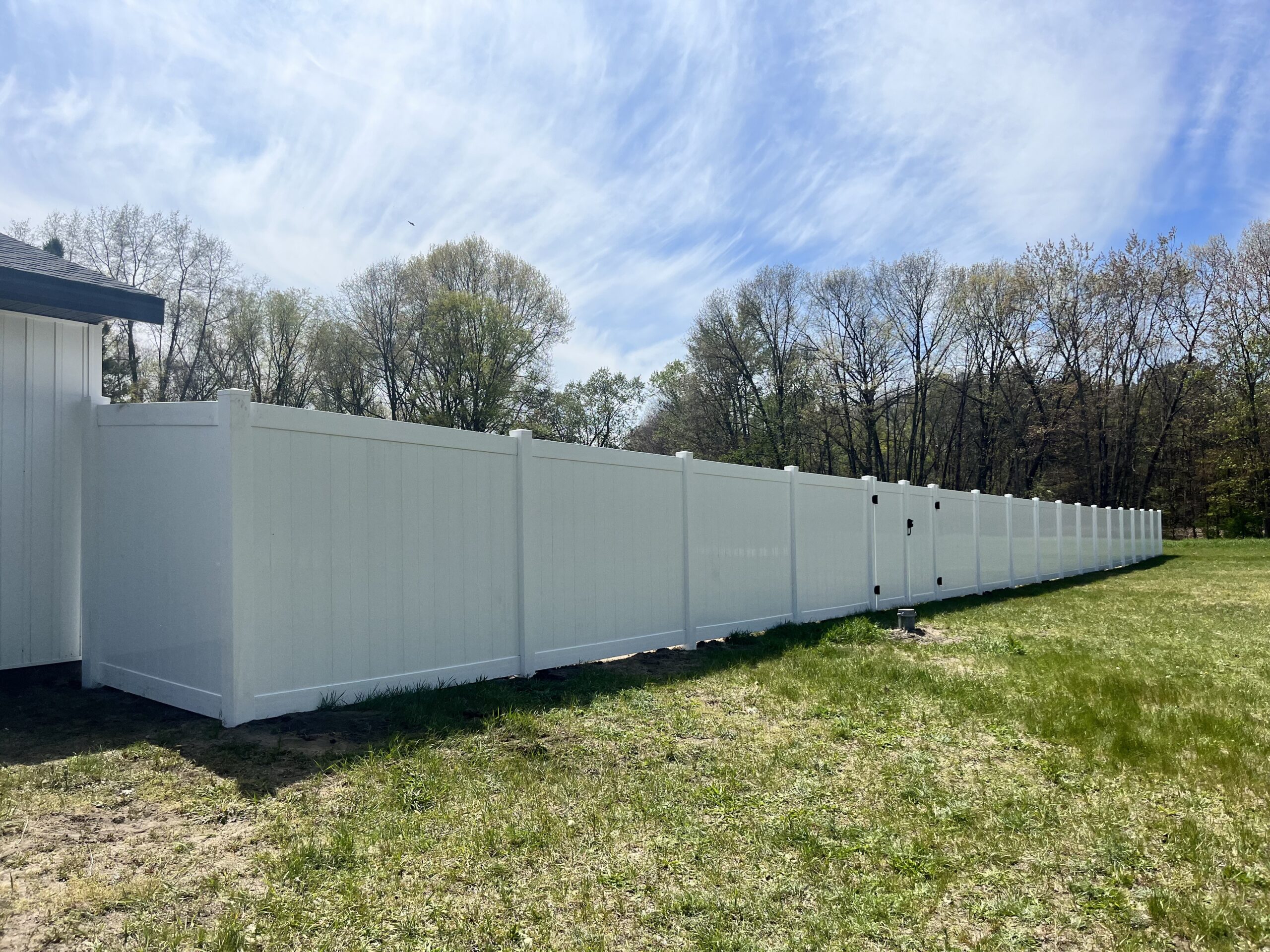
Vinyl costs more upfront than wood but requires essentially no ongoing maintenance: no staining, no sealing, no rotting posts. It's especially popular in newer Grand Rapids subdivisions where HOA rules favor consistent-looking white or tan privacy panels. The material handles Michigan cold reasonably well, though it can become brittle at extreme temperatures.
Aluminum Fence
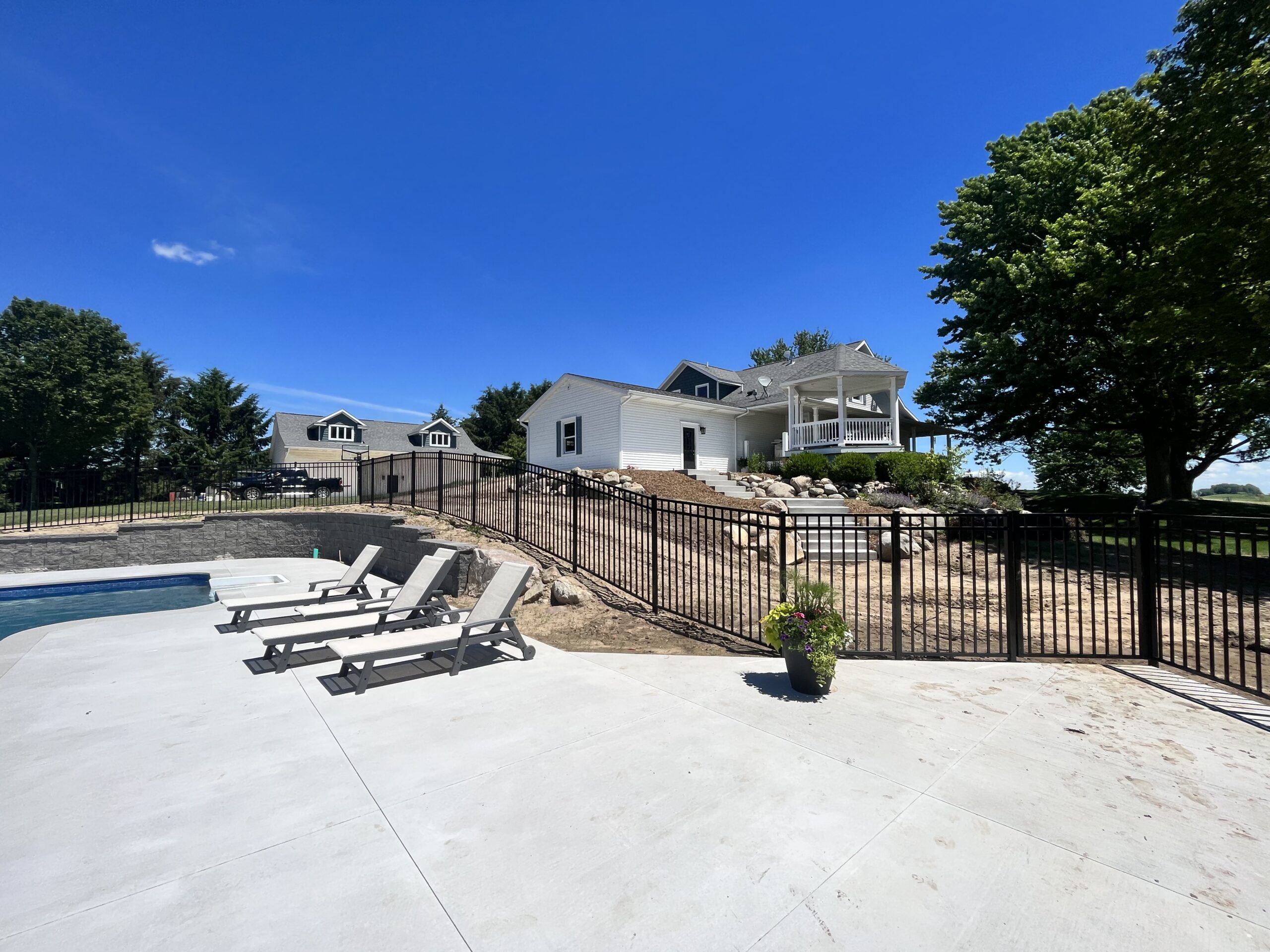
Aluminum offers a classic iron-fence look at a fraction of the weight and cost, without the rust risk. It's the standard choice for pool enclosures (required by many local codes), garden borders, and front-yard decorative applications where you want defined boundaries without blocking sightlines. Not suited for full privacy.
Chain Link Fence
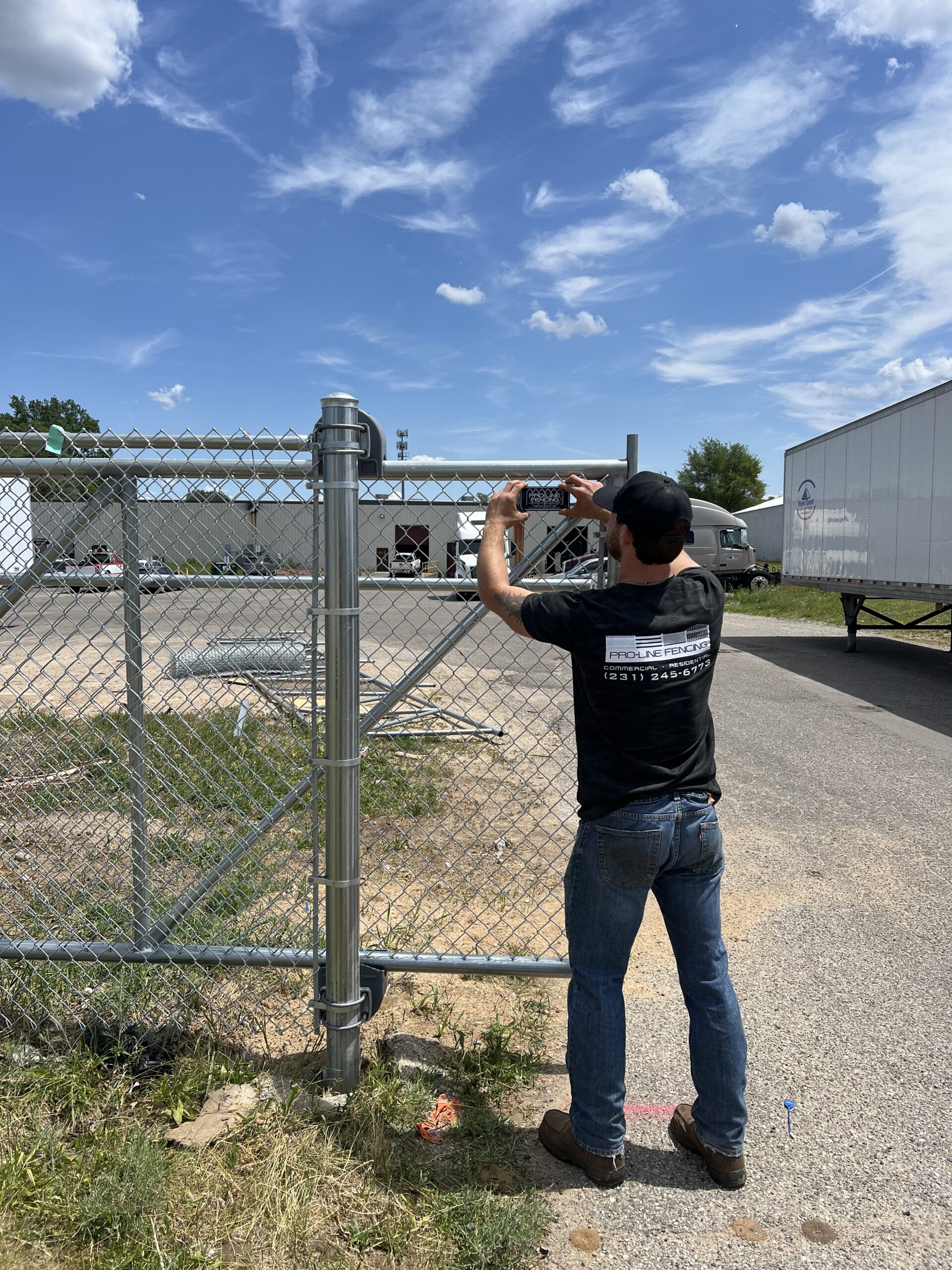
Chain link is the most cost-effective fencing option for large perimeters, dog runs, sports courts, and commercial or agricultural enclosures. Modern galvanized or vinyl-coated chain link resists rust and lasts for decades with minimal upkeep. It doesn't provide privacy or the curb appeal of other materials, but it gets the job done reliably and at the lowest price point.
How to Choose Between Fence Materials
Privacy Is Your Priority
Wood board-on-board or vinyl privacy panels are your best options. Both create a solid visual barrier from 6' height. Wood is more customizable; vinyl requires no maintenance.
Budget Is Tight
Chain link delivers the most perimeter per dollar, typically 50–60% less than wood. Split-rail wood is the budget option when some visibility is acceptable. Both are durable long-term.
Curb Appeal Matters
Cedar and redwood stain beautifully and age gracefully. Aluminum ornamental fencing adds architectural character. Vinyl looks clean and consistent but lacks the warmth of natural wood grain.
Containment for Pets
Any solid-panel fence works for most dogs. Chain link is the most durable for large, active dogs. Consider adding a concrete footer or dig guard if your dog digs. For most breeds, 6' is the standard height.
Pool Enclosure
Michigan requires pool barriers meeting specific height and latch requirements. Aluminum ornamental fence is the most common compliant solution: it satisfies code, looks good, and lasts decades without rust.
Minimal Maintenance
Vinyl and aluminum are both near-zero maintenance. Wood needs sealing or staining every 2–3 years. Chain link only needs occasional rust inspection on fasteners. If time matters, skip wood.
Ready to Get Fence Quotes?
Tell us about your project and we'll connect you with an available local fence installer. No commitment required.