Installation and Michigan Conditions
Is Gravel Necessary Under a Fence Post?
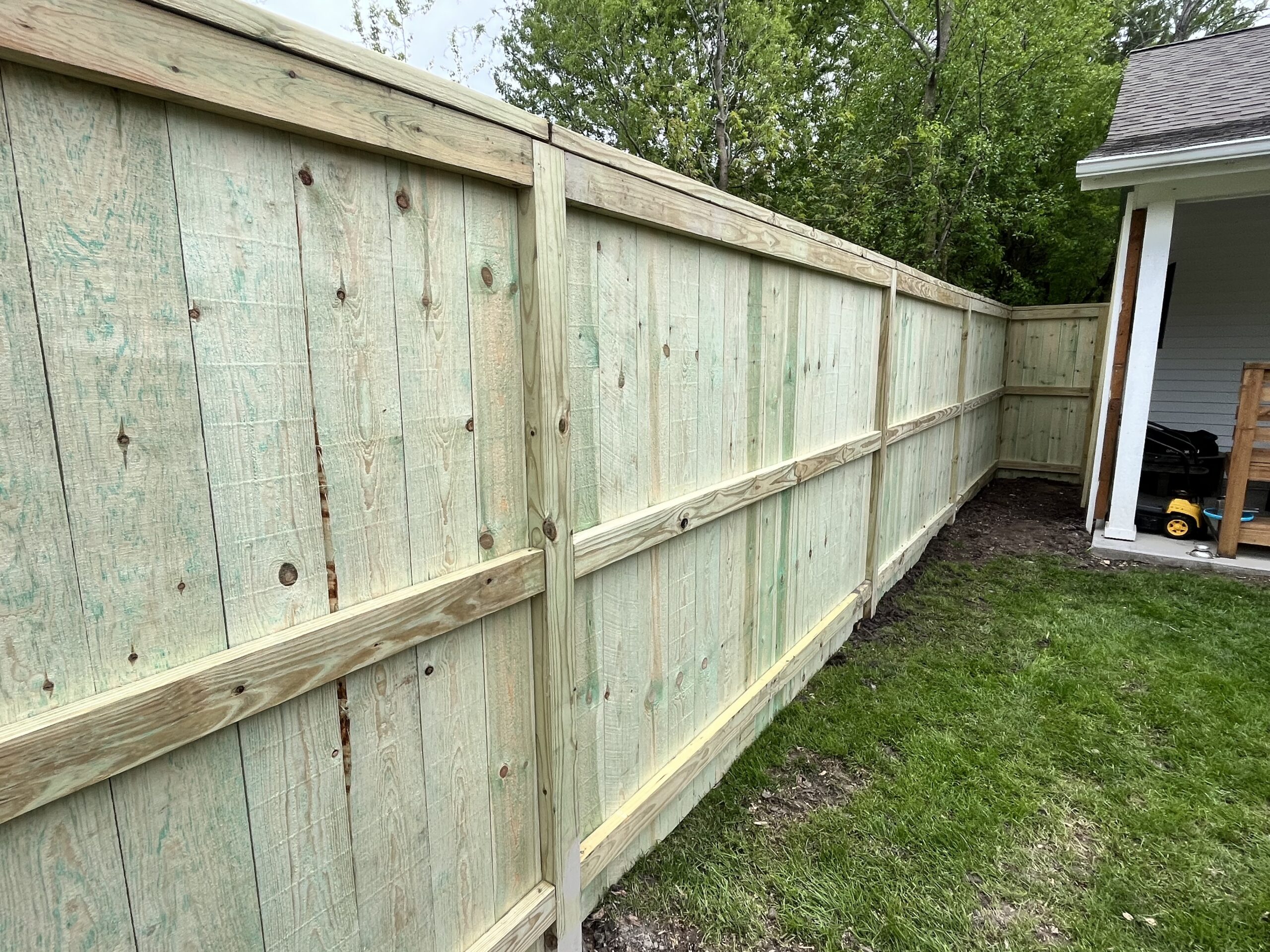
Gravel is not required under every fence post, but a layer of gravel at the base of a post hole can improve drainage in certain conditions. Whether it makes a meaningful difference depends on soil type, drainage characteristics, post material, and the installation method being used. In poorly draining or clay-heavy soils, a gravel base layer may reduce moisture accumulation at the bottom of the hole. In well-draining sandy or loam soils, or when a properly mounded concrete footing already manages water runoff, gravel at the base may not add significant benefit.
The Drainage Purpose
Standing water at the base of a post hole creates problems over time. For wood posts, moisture accelerates deterioration at the buried section even when pressure-treated lumber is used. For concrete footings, water that pools at the base of the hole and then freezes can exert upward force on the footing from below, contributing to frost movement. A gravel layer at the bottom of the hole creates a drainage pathway below the concrete or around the post base, allowing water to percolate downward rather than pool. [1]
The benefit of a gravel layer is most relevant when the native soil at the bottom of the hole drains slowly. In that scenario, water that enters the hole during rain events or from groundwater has nowhere to go and accumulates at the base. Gravel creates void space below the footing that water can drain into before it causes problems at the post or concrete level.
Soil Conditions
Clay soils drain slowly and can trap moisture at the bottom of a post hole for extended periods after rain. [1] In West Michigan, clay and clay-loam soils are common in many areas. In these conditions, a gravel base layer provides a meaningful drainage improvement.
Sandy or gravelly soils drain naturally and typically do not need additional gravel at the hole base. The surrounding soil itself provides drainage pathways, and water does not pool at the bottom of the hole in the same way. In these conditions, a gravel layer adds little practical benefit to drainage, though it does not cause harm.
The benefit of adding gravel scales with how poorly the native soil drains. In highly porous sandy soils it contributes little. In dense clay soils it can make a meaningful difference in moisture levels at the post base over the life of the fence.
Wood Post Considerations
Preservative-treated wood posts are pressure-treated to resist decay, but treatment does not make wood immune to deterioration from sustained moisture contact. Moisture at the base of a wood post accelerates the degradation process over time, particularly at the ground-line zone where the post transitions from below grade to above grade. [2]
A gravel drainage layer at the base of the hole is a reasonable precaution for wood posts in clay-heavy or poorly drained sites. It reduces how long moisture sits in contact with the buried post section. Combined with a properly mounded concrete footing that sheds surface water away from the post, gravel at the base addresses drainage from both above and below.
Metal and Vinyl Systems
Aluminum and steel fence posts do not absorb moisture the way wood does, but moisture can contribute to corrosion over time, particularly at cut ends or areas where the protective coating has been compromised. A gravel drainage layer reduces how long water sits at the base of the footing, which has some benefit for metal post longevity. [2]
Vinyl fence posts are not affected by moisture absorption, but water pooling in the hole can loosen the concrete footing over repeated freeze-thaw cycles. When water at the base of the hole freezes, it expands upward, and over multiple cycles this can contribute to footing movement. A gravel drainage layer reduces the amount of water available to freeze at the footing base.
With Concrete Footings
Quikrete and similar concrete product manufacturers recommend mounding the concrete above grade and sloping it away from the post to direct surface water away from the post base. [3] When this is done correctly, the above-grade concrete profile handles most surface water. Gravel below the concrete addresses water that migrates through the surrounding soil to the bottom of the footing rather than arriving from the surface.
Some concrete product installation guides specifically mention a gravel base layer; others do not address it. When the guide does not call for gravel, it is not prohibited, and in poor-draining soils it is still a reasonable addition. When the guide does call for a gravel base, that recommendation is based on the product's performance characteristics and should be followed.
When Gravel Does Not Solve the Problem
A gravel layer addresses drainage. It does not address structural problems caused by incorrect burial depth. Posts set above Michigan's frost depth will still be subject to frost heave regardless of what is at the base of the hole. Frost heave is driven by water in the soil freezing and expanding around the post and concrete, not only at the very bottom. [1]
Similarly, gravel does not compensate for insufficient concrete volume, incorrect post size, or failure to follow manufacturer installation specifications. If a post fails due to structural inadequacy, adding gravel would not have prevented it. Gravel improves one specific condition: water drainage at the base of the hole. It is a supplemental detail in a correctly specified installation, not a remedy for installation deficiencies.
Common Mistakes
Several errors occur when installers add gravel without a clear plan for the installation:
- Gravel layer too thick: Adding several inches of gravel at the base reduces the effective burial depth of the post. If the hole was dug to the required depth and a thick gravel layer is added, the post base ends up sitting above where it should be. Keep any gravel layer to a few inches unless the manufacturer specifies otherwise.
- Using gravel instead of concrete: Gravel is a drainage supplement, not a post-setting medium for residential fence applications. Gravel alone does not provide the structural anchorage that concrete provides. See Should Fence Posts Be Set in Concrete or Dirt? for detail on setting methods.
- Not following product instructions: The installation instructions for the specific fence system and concrete product take precedence. If they call for a specific base preparation, follow it. If they do not mention gravel, use judgment based on site drainage conditions.
For more on how depth and footing decisions connect, see How Deep Should Fence Posts Be in Michigan?, What Happens If Fence Posts Are Not Deep Enough?, and How Many Bags of Concrete Do You Need Per Fence Post? If you are planning a new installation, learn about professional fence installation in Grand Rapids to confirm the right specifications for your site.
Frequently Asked Questions
Should I put gravel in the bottom of a fence post hole?
A gravel layer at the base can improve drainage in poorly draining soils, which may benefit wood posts and reduce moisture at concrete footings. It is not universally required. In well-draining soils it may add minimal benefit. If using concrete, follow the concrete manufacturer's installation instructions, which may or may not call for a gravel layer. [3]
How much gravel should go under a fence post?
If a gravel layer is used, a few inches at the base is typical to create a drainage channel. Manufacturer installation instructions for the specific fence and concrete products guide the specific amount. Avoid making the gravel layer so thick that it reduces the effective burial depth of the post. [2]
Does gravel under a post help prevent frost heave?
Gravel improves drainage but does not prevent frost heave. Frost heave is caused by water in the soil freezing and expanding, pushing objects upward. Posts set above the frost line are vulnerable regardless of what is at the base of the hole. The only reliable way to prevent frost heave damage is to set the post below the frost depth. [1]
Do I need gravel under a post if I am using concrete?
Manufacturer recommendations vary. Some concrete products for fence posts recommend a gravel layer beneath the concrete; others do not. Follow the instructions on the specific product being used. In consistently wet or clay-heavy soils a gravel base layer may provide additional drainage benefit regardless of whether the product instructions specifically require it. [3]
Sources
Sources were selected for relevance, authority, and practical homeowner use. Requirements and recommendations may change, so confirm current local rules before beginning a project.
- . "Michigan Soil Frost and Construction Resources." https://www.canr.msu.edu/.
- . "Consumer Resources." https://www.americanfenceassociation.com/.
- . "Product Information and Installation Guides." https://www.quikrete.com/.
Related Guides
Installation and Michigan Conditions
How Deep Should Fence Posts Be in Michigan?
Factors affecting fence post depth in Michigan including frost depth and permit requirements.
Read Guide
Installation and Michigan Conditions
Should Fence Posts Be Set in Concrete or Dirt?
Compare concrete soil and other post-setting methods based on fence type load and drainage.
Read Guide
Installation and Michigan Conditions
What Happens If Fence Posts Are Not Deep Enough?
Consequences of shallow post installation including frost heave leaning and gate misalignment.
Read GuideReady to Plan Your Fence Project?
Compare your options, then request quotes from available fence contractors serving Grand Rapids and West Michigan.