Fence Gates
What Are the Most Common Fence Gate Problems?
The most common fence gate problems are sagging, dragging, latch misalignment, hinge wear, and leaning or moving gate posts. In Michigan, frost movement of gate posts is an additional factor. The root cause of most gate problems is inadequate original installation, hardware wear over time, or post movement.
Sagging and Dragging
A gate that sags has dropped at the free end, the latch side. When sag becomes severe enough the bottom of the gate contacts or drags on the ground. Sagging is not one problem but a symptom with several possible causes that must be identified before an appropriate repair can be made. [1]
The three most common causes of gate sag are a gate post that has moved or leaned out of plumb, hinges that have worn or loosened so they no longer hold the gate panel in its original position, and a gate frame that has racked out of square so the panel is no longer a rigid rectangle.
Determining which of these is the primary cause shapes the repair. A post that has moved must be corrected at the post, not the hardware. Worn hinges on a sound plumb post can be addressed by replacing the hardware. A racked frame on a sound post may require reframing the gate panel.
Latch Misalignment
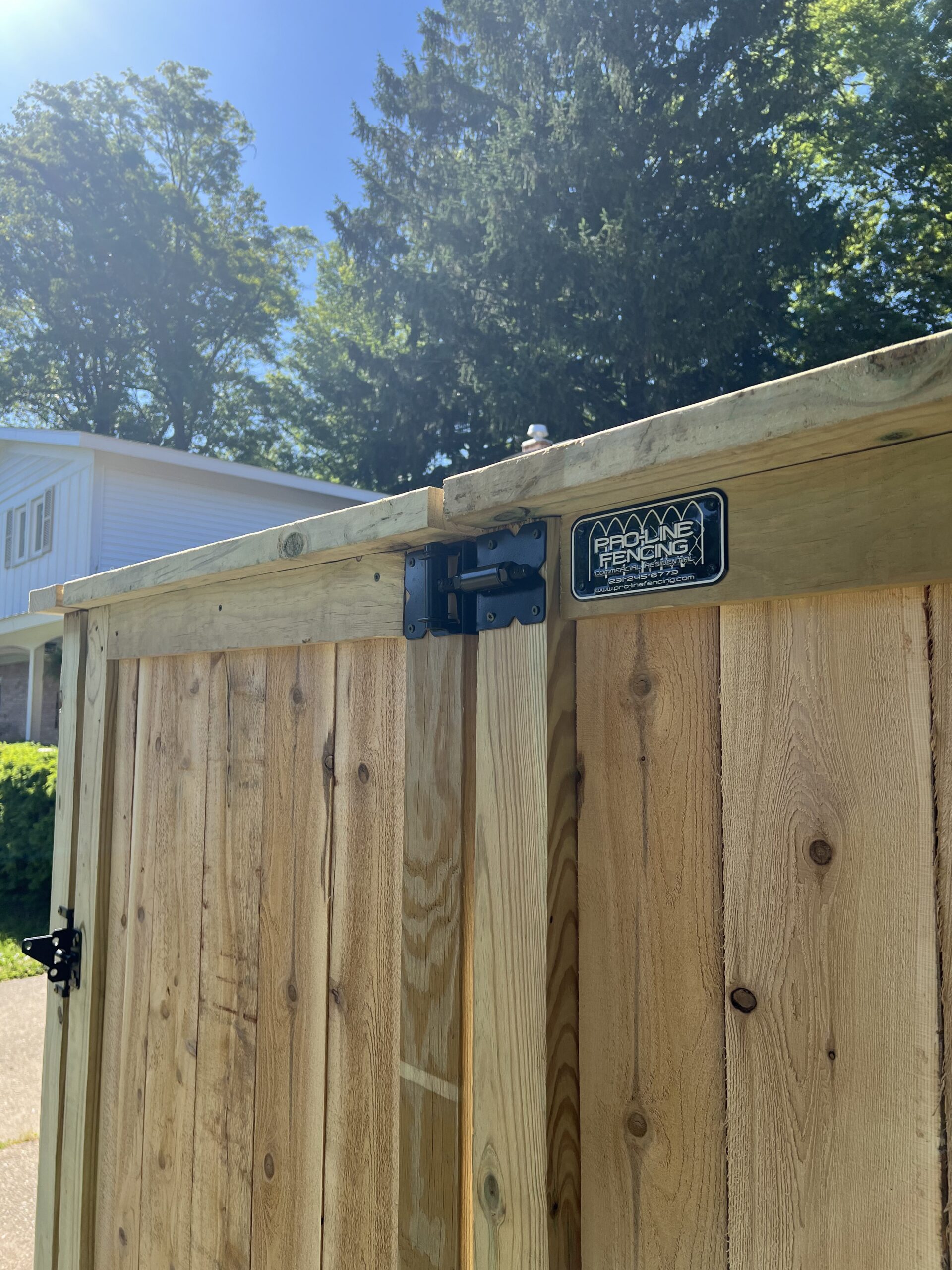
A latch that does not engage, engages partially, or requires lifting or forcing the gate to close indicates that the gate panel and the latch strike plate are no longer aligned as they were when installed. [1]
Latch misalignment is often a secondary effect of sag or post movement rather than a latch problem in isolation. Adjustable strike plates can accommodate a small amount of misalignment, but if the gate has moved significantly, adjusting the strike plate is a temporary measure until the underlying cause is addressed.
A worn or damaged latch mechanism that no longer moves freely can also prevent engagement. Hardware that is corroded, bent, or has a broken spring should be replaced.
Hinge Wear
Hinges are the connection between the gate panel and the post. Every opening and closing cycle loads the hinges. Over time, the hinge pivot wears, fasteners loosen in the post, or the hinge plate itself bends under load. Any of these allows the gate to drop gradually at the latch side.
Hinge wear is accelerated when the original hinges were undersized for the gate weight, when fasteners were not set into solid post material, or when the gate is used with more force than necessary. Replacing worn hinges with correctly-sized hardware and ensuring fasteners are set into sound material produces a lasting repair when the post is plumb and the frame is square. [1]
Loose Hardware
Hinges, latches, and other gate hardware are fastened to wood or metal posts and frames. Fasteners can loosen over time from vibration, seasonal wood movement, or corrosion at the fastener hole. Loose hinge fasteners allow the gate to shift, which stresses the latch and eventually produces visible sag. [1]
A loose fastener in rotted or deteriorated wood post material cannot be resolved by tightening alone. The underlying post condition must be addressed. Replacing a deteriorated post section or the full post is the appropriate step when fastener pull-through has occurred in degraded material.
Leaning Gate Posts
A gate post that leans away from plumb puts the gate panel out of its intended plane. The gate sags, latches stop aligning, and hinges are stressed at angles they were not designed for. Post lean can develop from inadequate original footing depth, soil saturation that reduces bearing capacity, frost movement, or root growth near the post.
Post lean cannot be corrected by hardware adjustment. The post must be returned to plumb and its footing repaired or replaced. Attempting to compensate for post lean with hinge or latch adjustments is at best a temporary measure that will continue to worsen. [1]
Frost Movement
Michigan winters produce freeze-thaw cycles that can move gate post footings that are set above the frost depth. [2] When soil freezes, it expands. Posts whose footings are in the frost zone rise with the soil. When the soil thaws, the posts may not return to their original position, leaving a permanent offset that worsens over successive winters.
Gate posts heaving out of plumb in spring produce sag that was not present the previous fall. If the same gate develops increasing sag year over year, post movement from frost is a likely contributing cause. The repair involves resetting the post with a footing that reaches below the frost depth for the area.
Wood Swelling and Warping
Wood fence gates absorb moisture and expand when wet. A gate that functions correctly in dry summer weather may bind or drag in wet spring or fall conditions. This is especially noticeable when the clearance between the gate panel and posts was set tight without allowance for seasonal movement.
Persistent warping, where the gate panel twists or bows out of plane and does not recover when conditions dry out, indicates that the gate frame has taken a set. Reframing or replacing the gate panel is the appropriate response to persistent warping. Painting or sealing the cut ends and faces of wood gate panels reduces moisture uptake and extends service life.
Vinyl Movement
Vinyl fence components expand and contract with temperature. In Michigan's climate, the temperature range from winter to summer produces meaningful dimensional change in vinyl fence panels and gate frames. Vinyl gate hardware and panel sizing accounts for this movement; oversizing vinyl gate panels or installing them without appropriate clearance can produce binding in hot weather.
Corrosion
Metal gate hardware including hinges, latches, and fasteners is subject to corrosion, especially when exposed to moisture-retaining conditions such as contact with wood that holds water. Hot-dipped galvanized or stainless steel hardware provides corrosion resistance appropriate for outdoor gate applications. Using non-galvanized fasteners on pressure-treated wood posts accelerates corrosion because the preservatives in treated wood are corrosive to bare steel. [1]
Driveway Gate Stress
Driveway gates carry more weight over a wider span than walk gates and are typically used more frequently by vehicle operators who may not be attentive to gate condition. The combination of greater span, higher cycle frequency, and heavier panels produces faster hardware wear and greater post load than a pedestrian gate. Driveway gates benefit from heavier hardware specifications and more frequent inspection.
Troubleshooting Table
| Problem | Likely Cause | What to Inspect | Possible Next Step |
|---|---|---|---|
| Sagging gate | Hinge wear, post lean, frame racking | Post plumb, hinge tightness, gate frame diagonals | Tighten or replace hinges; reset post if leaning |
| Gate drags on ground | Gate sagged, post leaned, grade changed | Bottom clearance, post plumb, hinge condition | Adjust hinge position; correct post; trim if grade issue |
| Latch does not engage | Frame racked, post moved, latch worn | Latch strike plate position, gate square | Adjust strike plate; reframe gate; address post movement |
| Hinge pulls from post | Post rotted, undersized hardware, high load | Post condition, hardware size, fastener condition | Replace hardware; repair or replace post |
| Gate swings open on its own | Hinges not plumb, gate unbalanced, latch not engaging | Hinge plumb, latch condition, gate level | Plumb hinges; replace latch |
| Gate stiff or hard to open | Binding hinge, swelling wood, debris in track | Hinge alignment, clearances, track condition | Lubricate hinges; address swelling; clear track |
| Post-based lean | Frost heave, undersized footing, saturated soil | Post plumb, footing depth, drainage near post | Reset post footing; improve drainage |
Inspection Checklist
A systematic inspection of a gate that is not functioning correctly covers the following items:
- Post plumb: is the gate post vertical in both planes?
- Hinge tightness: are all hinge fasteners tight and is the hinge pivot free of excessive wear?
- Latch engagement: does the latch engage the strike plate fully without lifting or forcing the gate?
- Gate clearances: is there appropriate clearance at the top, bottom, and latch side without binding?
- Hardware condition: are hinges, latches, and fasteners free of corrosion, bending, or breakage?
- Gate frame diagonal: measure the gate frame corner to corner in both directions; a significant difference indicates racking.
- Drainage near gate posts: is water pooling at the base of the gate posts after rain?
Working through this list before calling a contractor gives useful information and helps a contractor diagnose the problem efficiently when they arrive on site. For gate installation and repair service see Gate Installation and Repair in Grand Rapids.
Repair vs Replacement
Whether a gate problem should be repaired or addressed by replacing the gate or post depends on the condition of each component. Gate sag from post movement requires post correction; the gate panel may still be serviceable once the post is plumb. Hinge wear on a sound post with a square frame is a hardware replacement. A severely racked or rotted gate frame on a sound post warrants a new gate panel.
When a post has failed and the gate is also in poor condition, replacing both together is typically more cost-effective than replacing them separately. See How Much Does It Cost to Put a Gate on a Fence? and Fence Repair vs Replacement for cost context. For repair cost information see Fence Repair Cost.
Frequently Asked Questions
Why does my fence gate sag?
Gate sag is most commonly caused by a gate post that has moved or leaned out of plumb, hinges that have worn or loosened, or a gate frame that has racked out of square. [1] The post is the foundation; if it has moved, hardware adjustments alone will not produce a lasting fix.
Why won't my gate latch close properly?
A latch that will not engage fully usually means the gate and latch strike plate are no longer aligned. This can result from a gate frame that has racked, a post that has shifted, or a worn latch mechanism. Adjustable latch hardware can correct minor misalignment. If the gate frame is significantly racked or the post has moved, addressing the underlying structural issue is the more durable solution. [1]
How do I fix a gate that drags on the ground?
Dragging indicates the gate has dropped relative to its original position. Common causes are loose or worn hinges that allowed the gate to sag, or a gate post that has leaned under the gate weight. Inspect hinge condition and post plumb before replacing hardware. If the post has leaned, hinge replacement alone will not solve the problem. [1]
Can frost damage fence gate hardware?
Frost itself does not typically damage metal gate hardware directly. Frost heave, however, can move gate posts out of alignment, stressing hinges and latches because the gate panel no longer hangs plumb. In Michigan, gate posts set above the frost depth are at risk of seasonal movement that appears as progressively worsening gate sag. [2]
Sources
Sources were selected for relevance, authority, and practical homeowner use. Requirements and recommendations may change, so confirm current local rules before beginning a project.
- . "Consumer Resources." https://www.americanfenceassociation.com/.
- . "Michigan Soil Frost and Construction Resources." https://www.canr.msu.edu/.
Related Guides
Ready to Plan Your Fence Project?
Compare your options, then request quotes from available fence contractors serving Grand Rapids and West Michigan.