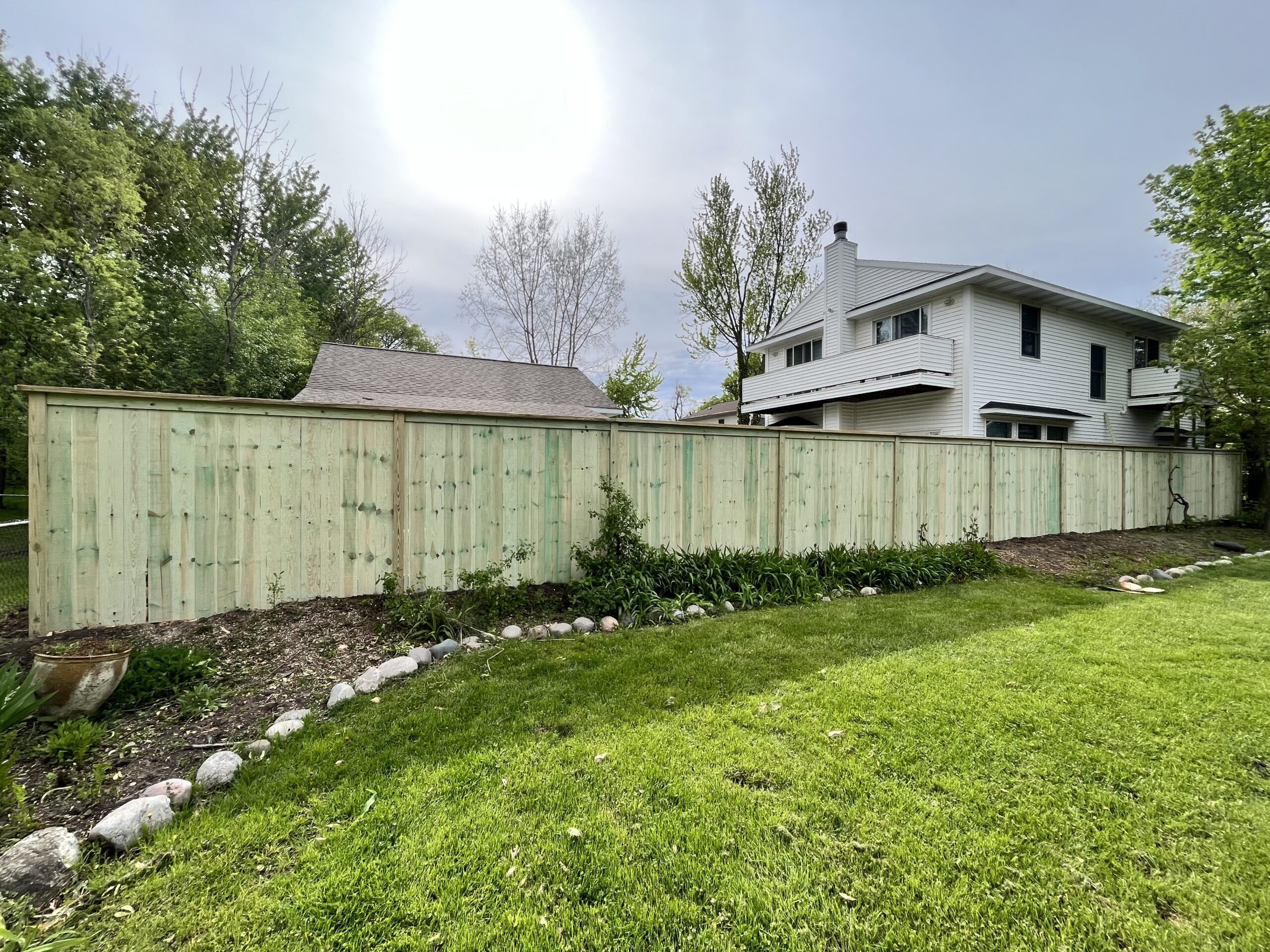
Repair and Maintenance
How Much Does Fence Repair Cost?
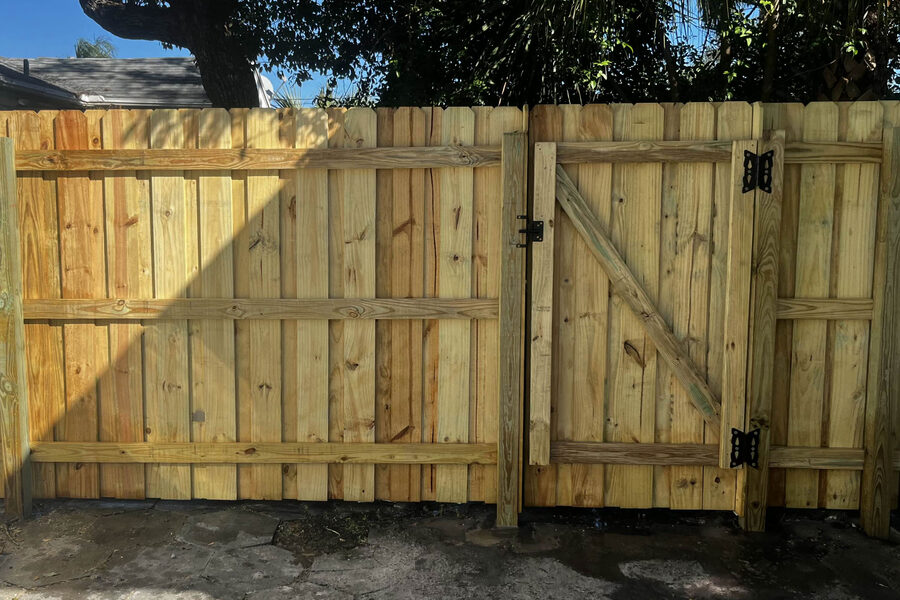
What Affects Fence Repair Cost
Fence repair cost varies widely based on the type and extent of damage, the fence material, the labor required, and site-specific factors. A single leaning post is a contained, relatively low-cost repair. A fence where posts have heaved throughout, rails have split, and boards are rotting is a different scope entirely.
The main factors that determine what a repair will cost:
- Scope and extent of damage. One or two damaged sections cost far less than widespread damage affecting a significant portion of the fence. Repair cost scales with scope.
- Fence material. Wood, vinyl, aluminum, and chain link each have different labor and parts requirements for repair. Parts availability also varies — matching an older vinyl panel or an aluminum profile may be harder than sourcing standard lumber.
- Type of damage. Post failure, panel rot, rail breakage, gate misalignment, and storm damage each require different approaches and labor time.
- Labor and access. Limited site access adds time. Hand digging adds cost. Some repair types require specialized equipment or expertise.
- Parts availability and matching. Repairing a fence with components that match the existing profile and color is straightforward for newer fences. Older fences may require custom cuts or parts sourcing that adds cost.
- Whether a permit is required. Minor repairs typically do not require a permit. Major structural work or fence replacement may require one. In Grand Rapids, confirm with the city when a permit is needed. [4]
Post Repair and Replacement
Posts are the structural foundation of any fence. When posts fail, the fence sections they support lose stability and may lean, sag, or fall. Post failure is among the most common fence repair types in West Michigan, particularly in wood fences.
Michigan frost heave. The primary cause of post movement in Michigan is freeze-thaw cycling. When water-saturated soil freezes in winter, it expands and can push posts upward. Posts that are not set deep enough below the frost line are especially vulnerable. The frost line in the southern Lower Peninsula, including Kent County, is approximately 42 inches. Posts set shallower than the frost line may heave over multiple winters.
Post rot at soil contact. Wood posts are most vulnerable to decay at and just below the soil line, where moisture and soil microorganisms are most active. The USDA Forest Products Laboratory documents how wood decay progresses in ground-contact conditions: decay fungi require moisture, oxygen, and temperature in a range that the soil contact zone consistently provides. [1] Pressure-treated lumber reduces but does not eliminate this risk. Posts set in soil without adequate treatment or moisture management degrade faster.
Repair options. A single leaning post can sometimes be releveled and re-packed with concrete without full replacement if the post itself is structurally sound. If the post is rotted, heaved significantly, or broken, replacement is required. Post replacement involves removing the existing post and footing, setting a new post to proper depth with new concrete, and reattaching the fence sections.
Panel and Board Repair
Individual fence boards and panels can be damaged by impact, rot, weathering, or pests without the structural posts being compromised. In these cases, replacing the affected boards or panels is a targeted repair that avoids disturbing the rest of the fence.
Wood board replacement. Missing, cracked, or rotted boards in a wood fence are among the most accessible DIY repairs for homeowners with basic carpentry skills. For professional repair, the cost depends on the number of boards, the labor to remove and reinstall them, and whether color matching requires additional finishing.
Matching weathered wood. New boards installed alongside weathered wood look visibly different until the new boards age and weather. Staining or sealing the new boards to approximate the existing color can reduce the contrast, but achieving a perfect match on weathered wood is difficult. This is a cosmetic issue rather than a structural one.
Impact damage. Boards cracked by vehicles, falling branches, or other impact may be structurally intact except at the damaged area. Replacing individual boards or sections while leaving adjacent boards in place is the typical approach when impact damage is localized.
Rail Repair
Rails are the horizontal members that run between posts and support the fence boards or panels. Split, cracked, or broken rails compromise the structural integrity of the fence sections they support even when the posts themselves are sound.
Wood rails split along the grain under load, particularly when exposed to repeated moisture and drying cycles. A split rail can often be replaced without disturbing the fence boards if the boards are removable — removed temporarily, the rail is swapped, and the boards are refastened. In some fence configurations, full panel removal is required to access and replace rails.
Vinyl and aluminum rails can crack or warp under impact or temperature stress. Replacing a vinyl rail requires matching the existing profile width and depth. Older vinyl fences may require parts sourcing if the original profile is no longer in production.
Gate and Latch Repair
Gates are the highest-wear components of any fence system. They are opened and closed repeatedly, carry their own weight on hinges, and are exposed to the same weather stress as the rest of the fence.
Common gate repair types:
- Sagging gate. Gates sag when hinges loosen, when the gate post leans or settles, or when the gate frame itself warps or twists. Tightening hardware and rehanging the gate resolves hinge-based sag. Post movement requires addressing the post before the gate will hang correctly again.
- Latch failure. Latches wear, corrode, or misalign over time. Replacing a latch is typically a straightforward hardware swap.
- Hinge replacement. Heavy gates may strip hinge screws or cause hinge failure under repeated use. Replacing hinges with heavier-gauge hardware and re-setting the fasteners in solid material extends gate life.
- Frame repair. Wood gate frames can rack and warp, preventing the gate from closing squarely. A diagonal brace can help with minor racking. Severe frame distortion typically requires rebuilding the gate.
Gate repair is often less expensive than building a new gate, but the economics depend on how many repairs are needed and whether the gate posts are still plumb and stable.
Storm Damage Repair
West Michigan experiences ice storms, heavy snow loads, and high wind events that can cause fence sections to fail, posts to break, or gates to swing open and damage panels. Storm damage repair scope depends on how many sections are affected and whether the damage is structural or panel-level.
A fallen tree section that takes out 20 feet of fence requires post removal, new posts, and new panels — essentially a partial replacement within the existing fence. Wind damage that lifts panels off rails without breaking posts is a less invasive repair.
Insurance. Homeowner insurance policies vary on fence damage coverage. Some policies cover fence damage caused by specific perils such as falling trees or named windstorm events. Others treat fencing as a structure with limited coverage or a separate deductible. If a storm causes fence damage, review your policy or contact your insurance agent before proceeding. This page does not provide insurance advice.
When getting repair quotes for storm damage that may be insurance-eligible, ask the contractor to document the scope and provide an itemized estimate that can be submitted to an adjuster.
Wood Rot
Wood rot is among the most common causes of fence deterioration in West Michigan. Understanding how rot progresses and where it typically begins helps homeowners identify repair scope early, before isolated rot spreads to adjacent members.
Wood decay requires moisture, oxygen, warmth, and organic material. [1] Fences provide all four at soil contact points, rail-to-post connections, and at the tops of cut boards where end grain is exposed. The USDA Forest Products Laboratory identifies end grain exposure and soil contact as the highest-risk zones for wood decay in ground-contact applications. [1]
Early-stage rot. Wood that is just beginning to soften and discolor at the surface can sometimes be treated and slowed, but the underlying degradation is not reversible. Removing and replacing early-stage rot prevents spread to adjacent sound members.
Advanced rot. Posts or rails that are soft throughout their cross-section have lost structural integrity and require replacement. Attempting to repair structurally rotted posts with surface treatments does not restore load capacity.
Species and treatment matter. Cedar has natural decay resistance due to its extractives content. [1] Pressure-treated pine uses chemical preservatives to slow decay at soil contact. Neither is immune; both require inspection over time. Untreated pine in soil contact is highly vulnerable to decay within a few years.
Chain Link Repair
Chain link is a durable material that tends to fail in specific, contained ways rather than across the full fence. The most common chain link repair scenarios:
- Bent or damaged mesh. Sections of chain link mesh that have been pushed, pulled, or driven into can be cut out and a new section of matching mesh spliced in using tie wire. Color-matched vinyl-coated mesh may require sourcing to match.
- Broken tie wire. The wire that attaches mesh to rails and posts can break or corrode over time. Replacing individual tie wires is a low-cost repair that prevents mesh from pulling away from the frame.
- Tension loss. Chain link mesh that has become loose or wavy has lost tension. Re-tensioning uses a tension bar and come-along to restore tautness. The approach depends on how the mesh was originally installed and how many tension points are involved.
- Post damage or lean. Chain link posts can rust at soil contact or lean due to frost heave. Post replacement in chain link follows the same approach as wood: remove the old post and footing, set a new post to proper depth.
Vinyl Section Replacement
Vinyl fence does not rot, but it can crack under impact or UV stress, particularly on older installations where the material has become more brittle. Vinyl repair is primarily a panel or section replacement task rather than a rot or structural repair.
Panel replacement. A cracked or shattered vinyl panel can be removed from the rails and a new panel installed if the rails and posts are intact. The main challenge on older fences is color and profile matching. Vinyl profiles and color formulations change over time, and a fence installed 10 to 15 years ago may have panels that no longer have an exact match from current manufacturers.
Post replacement. Vinyl posts are less prone to decay than wood posts but can be damaged by impact or crack at stress points. Post replacement in vinyl requires removing the attached fence sections, extracting the post and footing, and resetting a new post.
Top cap and trim. Top caps and post caps on vinyl fence are decorative covers that protect the top edge. They crack and blow off in high wind. Replacement caps are available from fence suppliers and are among the simplest vinyl repairs.
Aluminum Repair
Ornamental aluminum fence is one of the more durable fence materials from a corrosion standpoint, but it can be damaged by vehicle impact, falling branches, and accumulated soil contact that corrodes the powder coating at the base of posts and pickets.
Individual bent pickets can sometimes be straightened with careful pressure, but heavily bent aluminum is more likely to crack than bend back cleanly. Section replacement is the more reliable approach for impact-damaged aluminum panels.
Gate realignment is a common aluminum repair. Aluminum gates hang on adjustable hinges that can be loosened and repositioned to correct sag or misalignment without replacing the gate or posts.
Powder coating damage exposes bare aluminum to moisture and accelerates corrosion. Touch-up paint formulated for aluminum fence can protect damaged areas until a more complete repair is warranted.
Access and Labor Factors
Fence repair labor cost reflects the time required to access the repair site, diagnose the issue, source parts, and perform the work. Site conditions that make any of those steps harder add cost.
Limited backyard access is a common constraint. If a contractor's equipment cannot enter through available gates, post-hole work must be done by hand. Hand digging post holes in Kent County's rocky glacial soils takes significantly longer than mechanical digging. This affects per-post repair cost.
Post repairs near structures, property boundaries, or buried utilities require additional care. Underground utilities must be located before any post-hole digging. MISS DIG 811 is the Michigan notification system for locating buried utilities before digging. Calling 811 before digging is legally required in Michigan and avoids dangerous utility strikes.
Parts sourcing is a labor factor that is easy to overlook. A repair that requires a standard dimension of pressure-treated lumber is straightforward. A repair that requires a specific vinyl panel profile or a matching aluminum section that must be ordered adds wait time and potentially a return visit to the job.
Isolated vs Widespread Damage
The economics of fence repair change significantly based on how concentrated or widespread the damage is.
When damage is isolated — one or two posts, a single section of panels, a single gate — repair is typically the clear choice. The cost of addressing the problem section is far below the cost of replacing the entire fence, and the rest of the fence is in sound condition.
As damage spreads, the economics shift. A fence where 30 to 40 percent of the posts have rotted, rails are splitting in multiple locations, and several sections of boards need replacement is approaching a scope where the labor and materials for widespread repair may cost more than a portion of a full replacement, and the repaired fence still contains aging components that will need further attention.
There is no universal threshold, but a useful question is: after this repair, what is the expected remaining life of the fence, and how does the cost of the repair compare to that remaining life? An $800 repair on a fence that will need replacement in two years is a different calculation than an $800 repair on a fence that will serve well for another decade.
When Replacement Makes More Sense
Several conditions suggest that full or partial replacement is more cost-effective than continued repair:
- The fence is near the end of its expected material lifespan and multiple components are failing.
- The extent of rot, heave, or structural damage affects more than 30 to 40 percent of the fence.
- The cost of repair approaches or exceeds the installed cost of a new fence over the same footage.
- The fence no longer meets current needs in height, style, or function, and repair would preserve an asset the homeowner wants to replace anyway.
- Post rot has reached the point where posts cannot be releveled without replacement, and the posts are spread throughout the fence rather than concentrated in one section.
For a structured framework to evaluate this decision, see the Fence Repair vs Replacement guide. For repair service in Grand Rapids, the fence repair page covers local service and how to request quotes. Use the Fence Cost Calculator to estimate what a new fence would cost before deciding.
Frequently Asked Questions
What is the most common fence repair?
Post failure is among the most common fence repairs, particularly for wood fences in Michigan. Frost heave, rot at soil contact, and concrete footing failure all cause posts to lean, shift, or break. Wood board replacement and gate hardware repair are also very common. The type of repair depends on fence material and age.
Does homeowner insurance cover fence damage?
Coverage depends on your specific policy. Some homeowner policies cover fence damage caused by named perils such as falling trees, windstorm, or vehicle impact. Others treat fencing with limited coverage or a separate deductible. General wear, rot, and gradual deterioration are typically excluded. Review your policy or contact your insurance agent after a weather or impact event before beginning repairs.
Does wood rot significantly affect repair cost?
Yes. Rot that is limited to individual boards is a low-cost repair. Rot that has reached posts or rails is more expensive because structural members require replacement and the affected section must be disassembled and rebuilt. Advanced rot that has spread through a significant portion of the fence makes the economics of repair more difficult to justify compared to replacement.
Can a vinyl fence be repaired?
Yes, in many cases. Individual vinyl panels and sections can be replaced if the rails and posts are intact and matching profile and color are available. Older vinyl fences may face parts-matching challenges if the original profile is no longer manufactured. Top caps, post caps, and latches are among the most straightforward vinyl repairs.
At what point does repair cost more than replacement?
There is no fixed threshold, but when damage affects more than 30 to 40 percent of the fence, the economics of widespread repair become comparable to partial or full replacement. A useful question is what the repaired fence's remaining useful life will be and whether the repair cost is proportionate to that remaining life. See the Fence Repair vs Replacement guide for a structured decision framework.
Sources
Sources were selected for relevance, authority, and practical homeowner use. Requirements and recommendations may change, so confirm current local rules before beginning a project.
- USDA Forest Products Laboratory. "Wood Handbook: Wood as an Engineering Material." Government Research. https://www.fpl.fs.usda.gov/documnts/fplgtr/fpl_gtr190.pdf. Accessed August 2026.
- Grand Rapids Michigan Fence. "Fence Repair in Grand Rapids." https://grandrapidsmichiganfence.com/fence-repair-grand-rapids-mi/. Accessed August 2026.
- American Fence Association. "Consumer Resources." Trade Association. https://www.americanfenceassociation.com/. Accessed August 2026.
- City of Grand Rapids. "Fence Permit." Government. https://www.grandrapidsmi.gov/Government/Departments/Community-Development/Building-Safety/Permits/Fence-Permit. Accessed August 2026.
Related Guides
Repair and Maintenance
Fence Repair vs Replacement: Which Makes More Sense?
A structured decision framework to determine whether repairing or replacing your fence is the better financial choice.
Read Guide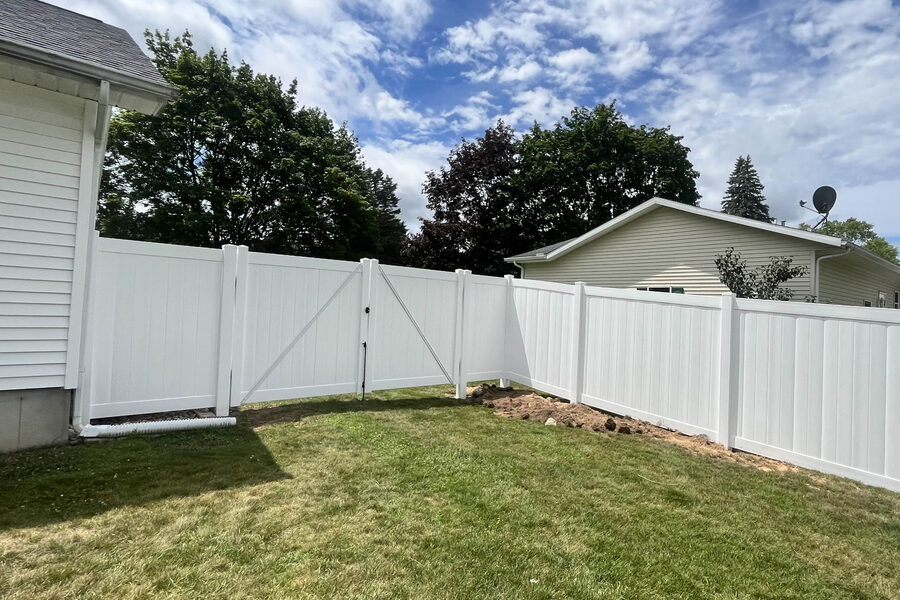
Cost and Budgeting
How Much Does a Privacy Fence Cost?
All the factors that affect privacy fence cost, from material to gates, terrain, and removal.
Read Guide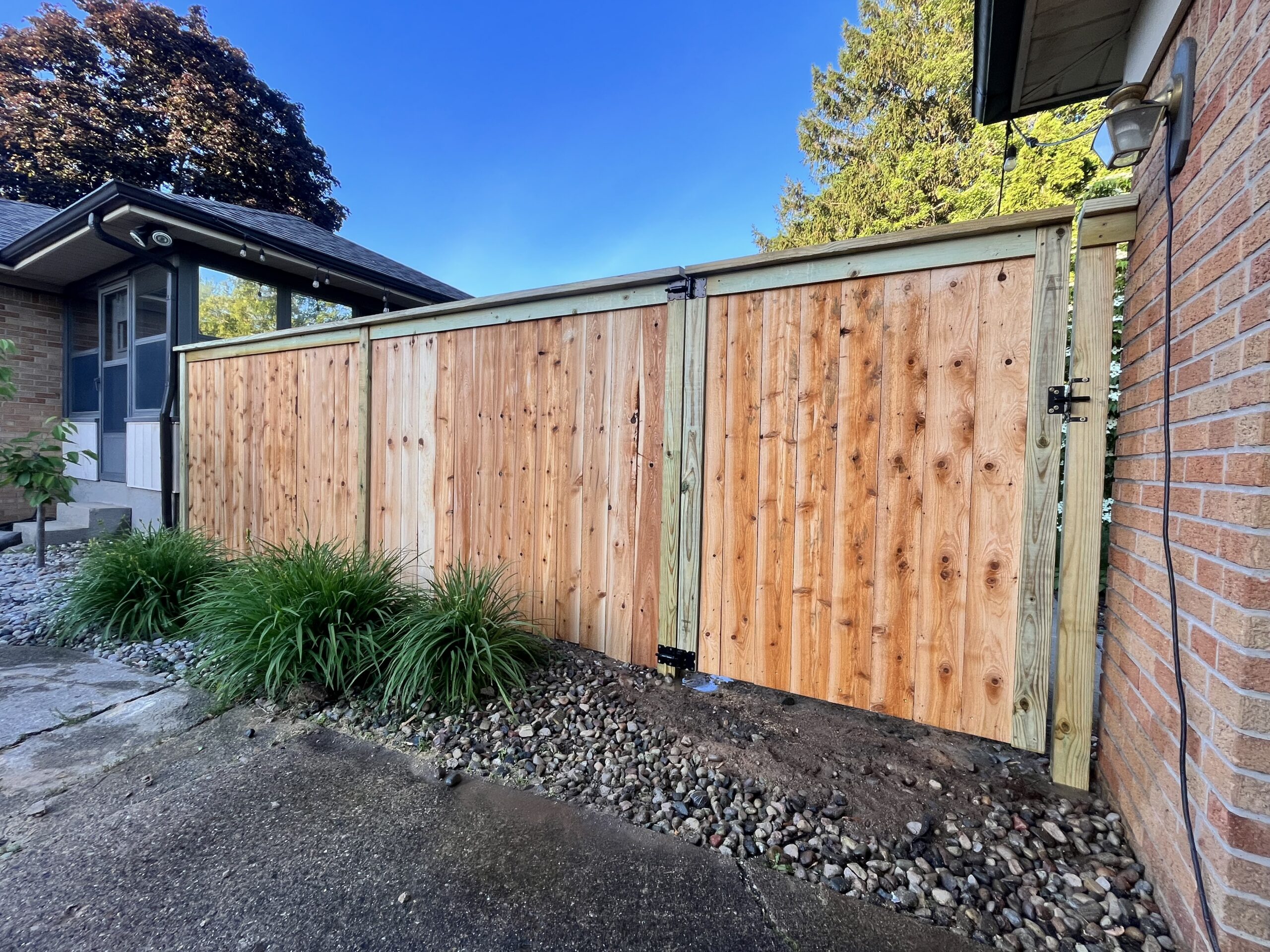
Installation
How Deep Should Fence Posts Be in Michigan?
Michigan frost depth, soil conditions, and post sizing requirements for residential fence installation.
Read GuideReady to Plan Your Fence Project?
Compare your options, then request quotes from available fence contractors serving Grand Rapids and West Michigan.