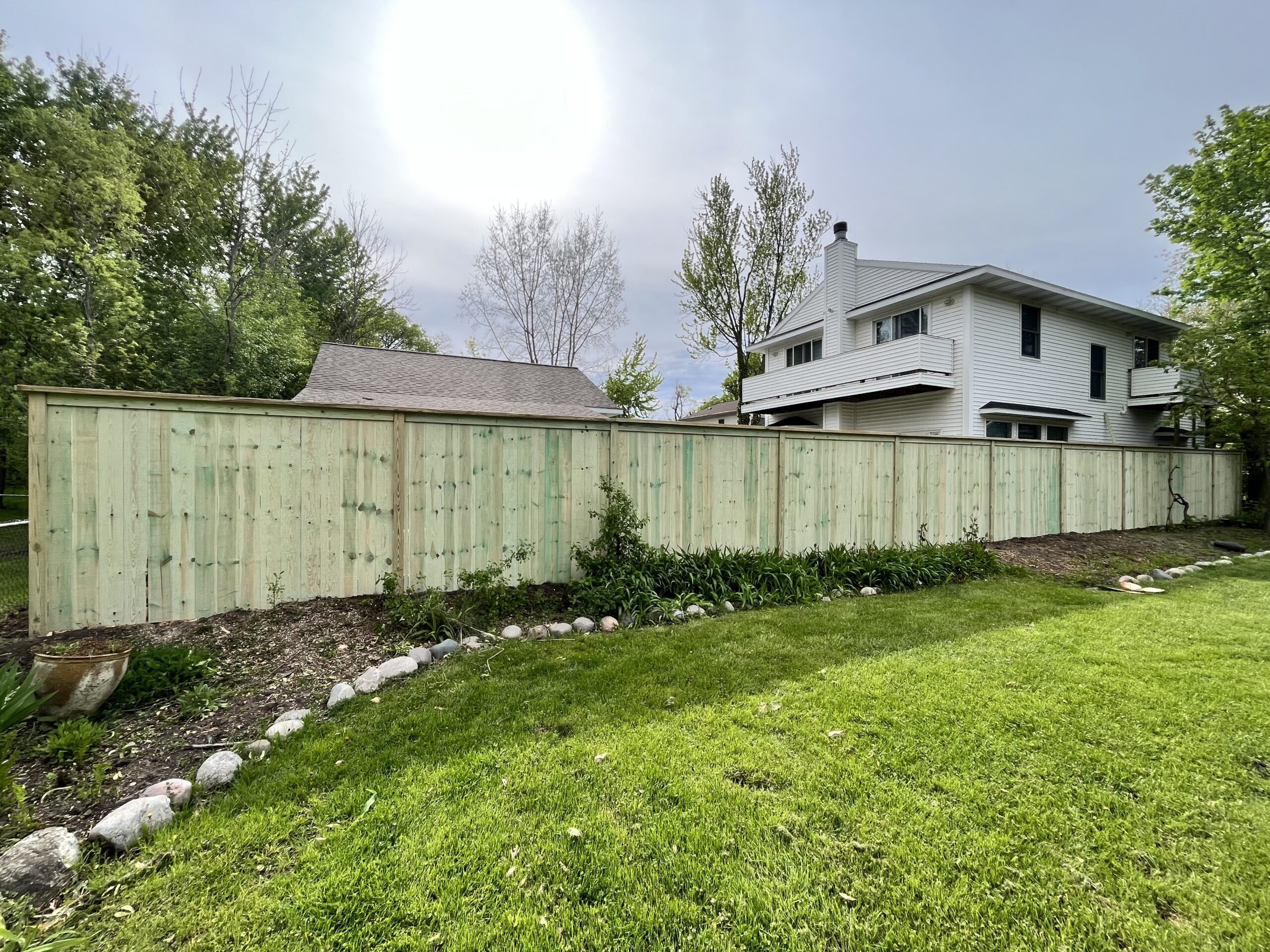
Cost and Project Planning
How Much Does Fence Installation Cost?
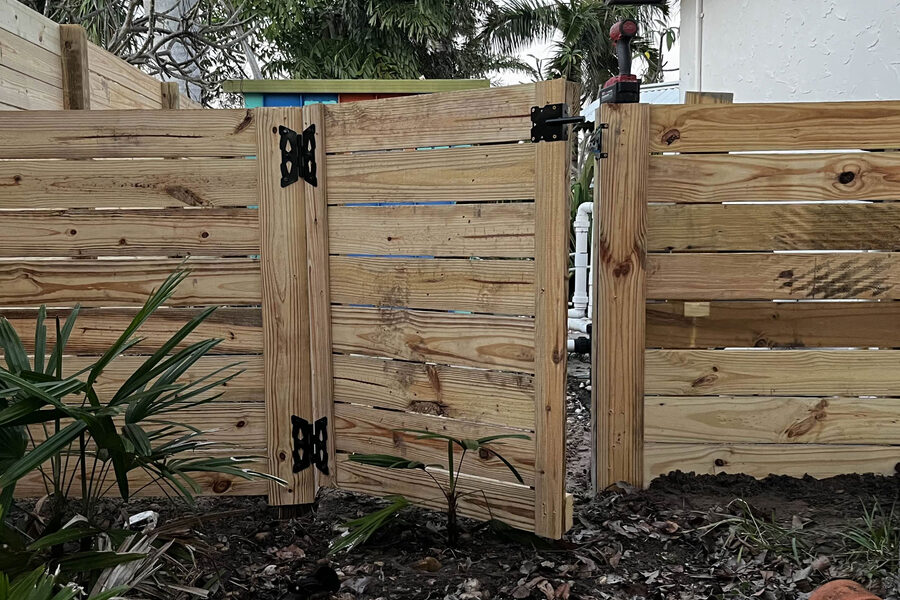
Fence installation cost depends on material, total linear footage, fence height, the number of gates, site conditions, and labor. There is no single installed cost per foot that applies to every project. This guide explains each cost component so you can build a realistic planning estimate before requesting contractor quotes in Grand Rapids and West Michigan.
Quick Answer
Installed fence cost in West Michigan typically runs $8 to $18 per linear foot for chain link, $15 to $34 for wood, $20 to $44 for vinyl, and $28 to $42 for aluminum, based on contractor quotes collected in Kent County and the broader West Michigan metro, 2024 to 2025. [2] These ranges cover material and labor for a standard installation. They do not include gates, terrain adjustments, existing fence removal, or permits.
For a 150-linear-foot wood privacy fence with no gates and easy access, the planning range works out to roughly $2,250 to $5,100. Use the Fence Cost Calculator to generate a range based on your specific inputs, then compare the result with actual quotes from local contractors.
How Fence Installation Pricing Is Structured
Fence contractors quote projects in one of two ways: as a total project price, or as a per-linear-foot rate with separate line items for gates, terrain, access, and removal. Both approaches are common in West Michigan, and understanding the underlying cost components helps you evaluate either format.
Per-linear-foot base rate. This covers material panels, rails, and line posts plus the labor to install them in standard ground conditions. It is the foundation of any fence quote but does not capture everything.
Gate line items. Walk gates and driveway gates are priced separately because they require additional posts, hardware, hinges, and more precise installation than standard fence panels.
Site condition adjustments. Terrain slope, limited equipment access, rocky soil, and removal of an existing fence each add cost beyond the base per-foot rate. These are commonly expressed as percentage adjustments or fixed surcharges.
Permit and marking costs. Permit fees and utility marking are administrative costs associated with the project. Some contractors include the permit fee in their quoted price; others bill it separately.
A complete fence project estimate includes all of these components. A per-foot rate alone is not a complete quote.
Material Cost Ranges
Material selection has the largest single effect on installed fence cost. These ranges reflect installed costs from contractor quotes in Kent County and the broader West Michigan metro, 2024 to 2025. [2] Height, site conditions, and contractor will move actual quotes within and sometimes outside these ranges.
| Material | Installed Cost per Linear Foot | Typical 100 LF | Typical 150 LF |
|---|---|---|---|
| Wood Privacy (6 ft) | $18 – $28 | $1,800 – $2,800 | $2,700 – $4,200 |
| Wood Privacy (8 ft) | $22 – $34 | $2,200 – $3,400 | $3,300 – $5,100 |
| Wood Split Rail (2 rail) | $12 – $20 | $1,200 – $2,000 | $1,800 – $3,000 |
| Vinyl Privacy (6 ft) | $24 – $38 | $2,400 – $3,800 | $3,600 – $5,700 |
| Vinyl Privacy (8 ft) | $28 – $44 | $2,800 – $4,400 | $4,200 – $6,600 |
| Aluminum (4 ft) | $28 – $42 | $2,800 – $4,200 | $4,200 – $6,300 |
| Chain Link (4 ft) | $8 – $14 | $800 – $1,400 | $1,200 – $2,100 |
| Chain Link (6 ft) | $12 – $18 | $1,200 – $1,800 | $1,800 – $2,700 |
These ranges represent a typical standard installation. Gate costs, terrain adjustments, and removal are added on top. See the Fence Cost Guide for a fuller breakdown by material.
Linear Footage
Fence is priced by the linear foot of fence line, not by the area of the yard it encloses. Measuring the wrong dimension is the most common cause of underestimating project cost before a contractor visit.
To find your fence line: measure the actual perimeter segments you plan to fence. Do not measure the yard area. For a rectangular backyard 50 feet wide and 80 feet deep where you need fence on three sides, the fence line is 50 + 80 + 80 = 210 linear feet.
For irregular lots, break the perimeter into straight segments and add the segment lengths. Subtract any segments you do not plan to fence, such as a section of the yard that abuts the house wall or a driveway opening, then add gates separately in the calculator.
More footage means proportionally more material and labor. A project with 200 linear feet does not cost exactly twice as much as a 100-foot project because fixed costs (mobilization, permit, site visit) do not scale linearly, but the relationship is close.
Fence Height
Taller fence requires more material per panel and heavier posts. Moving from 6-foot to 8-foot wood or vinyl privacy fence adds approximately $4 to $6 per linear foot to the installed cost in West Michigan. [2] On a 150-linear-foot project, that height increase adds $600 to $900 to the base estimate.
Standard residential privacy fence heights in West Michigan are 6 feet and 8 feet. Six-foot fence provides full screening for most adults. Eight-foot fence is used where additional height is needed, such as a site where adjacent grade reduces effective screen height, or where the homeowner wants more visual separation.
The City of Grand Rapids requires a permit for residential fence installation. Specific height limits vary by property zone and yard location. [1] Confirm current height allowances with the City of Grand Rapids before finalizing your fence plan.
Aluminum ornamental fence is typically installed at 4 feet for residential applications. Chain link is available in 4-foot through 8-foot heights, with taller heights primarily used for commercial or security applications.
Posts and Footings
Posts and their concrete footings are a significant portion of fence installation labor. In Michigan, posts must be set below the frost line to prevent heaving. The frost depth in Kent County reaches approximately 42 inches below grade. [4] Posts set above this depth are pushed upward each winter by frost heave and shift out of alignment over repeated freeze-thaw cycles.
Most residential fence contractors in West Michigan set posts at 36 to 48 inches, with many specifying 48 inches as standard for 6-foot privacy fences. Deeper settings require more labor and more concrete. The installed cost ranges on this page account for standard Michigan post-setting depths.
Post size varies by material and fence height. Wood fence typically uses 4x4 or 5x5 posts for 6-foot privacy applications. Vinyl and aluminum fence systems use manufacturer-specified post sizes. Gate posts require deeper footings and wider hole diameters than line posts because they carry additional load from the gate's weight and swing.
Michigan law requires calling MISS DIG 811 at least three business days before any digging, including post-hole installation. [5] The call and the utility-marking service are free. Fence contractors are required to make this call; confirm it is part of their pre-installation process. See the Fence Post Depth guide for more on Michigan-specific post requirements.
Gates
Gates are among the most underestimated line items in fence project planning. Each gate requires additional posts on both sides, hardware (hinges, latch, and sometimes an automatic closer), and more precise installation than standard fence panels. Gate cost does not average into the per-linear-foot rate.
Walk gates (single person width, typically 36 to 48 inches) typically add $200 to $450 per gate to the total project cost. [3] Driveway or double gates wide enough for a vehicle typically add $500 to $900 per gate. [3]
A project with two walk gates and one driveway gate can add $900 to $1,350 or more to the base estimate before any other adjustments. Including gates in the Fence Cost Calculator from the start produces a more accurate planning range than calculating fence panels alone.
Gate quality and hardware vary. Heavier-gauge hardware on driveway gates and self-closing pool gates costs more than standard residential walk gate hardware. Pool code-compliant gates have additional requirements including self-latching mechanisms at specific heights.
Corners and Layout
Corner posts, end posts, and the number of direction changes in a fence layout affect material and labor cost, though less dramatically than gates or terrain. Each corner in a fence run requires a properly set corner post with adequate footings. Fences with many corners or direction changes require more posts per linear foot of fence than straight runs.
Irregular lot shapes with multiple angles, curved fence lines, or fences that need to track a sloped grade across several transitions take longer to lay out and install than simple rectangular configurations. If your property has a complex lot shape, mention this when requesting contractor quotes so it can be priced accurately from the start.
Terrain and Grading
Standard per-foot pricing assumes relatively flat ground. When terrain varies from that baseline, labor cost increases because fence installation methods change.
Some slope, where the fence line rises or falls noticeably across its run, typically adds 10 to 15 percent to the base material and labor cost. [3] Contractors must install fence in a stepped or racked configuration rather than a standard straight run, and post setting on sloped terrain takes more time.
Steep or difficult terrain, including significant grade changes, rocky glacial soil, or sites with multiple level transitions, typically adds 20 to 30 percent to the base cost. [3] Some contractors price difficult terrain as a fixed surcharge rather than a percentage; the range above is for planning purposes.
Rocky or clay-heavy soil is a specific factor in parts of Kent County. If rock or hardpan clay is close to the surface, post setting requires more time and sometimes different equipment. This condition is typically identified during the contractor site visit rather than in advance.
Site Access
Fence contractors use post-setting equipment, typically compact skid steers or small excavators, on most residential projects. When equipment cannot access the fence line, crews must hand-dig post holes, which increases labor time and cost.
Limited backyard access, such as a 36-inch gate that prevents equipment entry, typically adds 5 to 10 percent to base labor cost. Difficult access, where all post setting must be done by hand or where equipment must navigate significant obstacles, can add 10 to 20 percent or more.
Access conditions are assessed during the contractor site visit. If your property has known access limitations, describe them when requesting quotes so contractors can price the project accurately from the start rather than adjusting after the visit.
Existing Fence Removal
If you are replacing an existing fence, demolition and disposal is typically a separate line item in the contractor quote rather than folded into the per-foot installation rate. Removal adds approximately $3 to $6 per linear foot to the project cost. [3]
Removal cost depends on the material being removed and how posts were originally set. Wood posts set in concrete require more labor to remove than posts that were driven or set in compacted gravel. Metal posts can often be pulled with equipment. The condition of the existing posts, especially whether they are rotted in place, affects the total removal cost.
On a 150-linear-foot project, removal adds approximately $450 to $900 to the total estimate. Including removal in the Fence Cost Calculator shows its impact on the planning range for your project.
Permits and Utility Marking
The City of Grand Rapids requires a permit for residential fence installation. [1] Permit requirements cover fence height limits, placement rules by yard zone, and other conditions that vary by property location and zoning. Confirm current requirements with the City of Grand Rapids before beginning work.
Permit fees vary by municipality and are subject to change. Your fence contractor normally handles the permit application. Confirm the current fee with the City of Grand Rapids or your local building department, and confirm whether the permit fee is included in the contractor's quoted price or billed separately before signing. [1]
Michigan law requires calling MISS DIG 811 at least three full business days before any digging. [5] This is a legal requirement that applies to both contractors and homeowners. MISS DIG notifies underground utility operators, who then locate and mark buried lines (gas, electric, water, telecommunications, cable) on the surface with paint or flags. The service is free. Failure to call before digging can result in serious injury, property damage, service disruption, and legal liability.
See the Grand Rapids Fence Permit Guide for a detailed walkthrough of the permit process, property line considerations, and what to confirm with the city before your project starts.
Labor and Scheduling
Labor is a significant portion of fence installation cost. In West Michigan, most fence installations involve a crew of two to three people. Labor rates reflect contractor overhead, equipment, experience, and current market conditions. They are not standardized across contractors.
Spring and early summer, roughly April through June, are peak booking seasons for West Michigan fence contractors. Projects initiated during this window typically face longer lead times and, in some cases, pricing that reflects higher demand. Fall projects often have better contractor availability and may move from quote to installation more quickly.
Winter installations are possible for chain link and vinyl but more challenging for wood privacy fence projects. Frozen ground increases post-setting time and cost. Some contractors do not take new wood installation projects in December through February. If your timeline is flexible, late September through November and early March through April are often more favorable scheduling windows.
Material Cost Comparisons
Each fence material has a distinct cost profile when installation, long-term maintenance, and expected service life are considered together. The table below covers the primary installed-cost characteristics. [2] [3]
| Material | Installed Cost Range | Maintenance Cost | Typical Service Life | Primary Tradeoff |
|---|---|---|---|---|
| Wood Privacy | $15 – $34 / LF | Staining or sealing every 3 to 5 years | 15 to 20 years with maintenance | Lower upfront cost; higher ongoing maintenance |
| Vinyl Privacy | $20 – $44 / LF | Periodic washing only | 20 to 30 years or more | Higher upfront cost; lower ongoing maintenance |
| Aluminum | $28 – $42 / LF | Minimal; touch-up if coating damaged | 20 to 50 years or more | Open style only; no privacy without add-ons |
| Chain Link | $8 – $18 / LF | Low; inspect for rust on galvanized | 15 to 20 years (galvanized) | Lowest cost; open style, no privacy |
For a detailed comparison of wood and vinyl on cost, maintenance, and Michigan weather performance, see the Best Fence Material for Michigan Weather guide.
Why Per-Foot Pricing Can Mislead
A single per-foot cost figure does not tell you what a fence project will cost. Here is why relying on an unqualified per-foot rate leads to underestimates.
It assumes a specific height. A "$20 per foot" vinyl fence quote might mean 4-foot picket fence, not 6-foot privacy. Moving from 4-foot to 6-foot vinyl adds meaningful cost per foot. Confirm what height the quoted rate applies to.
It excludes gates. Gates cost $200 to $900 or more each, priced separately from the fence panels. A per-foot rate that includes a gate cost average across all projects does not accurately apply to a project with no gates or to one with four gates.
It excludes site adjustments. Terrain, access, and soil conditions can each add 10 to 30 percent to the base rate. A flat per-foot rate quoted before a site visit may not reflect conditions at your specific property.
It excludes removal. If you are replacing an existing fence, removal adds $3 to $6 per foot that does not appear in a base installation rate. [3]
Material specification varies. Two contractors quoting the same per-foot rate may be using different material grades, post sizes, or hardware. A lower rate sometimes reflects a lower-spec installation, not a more competitive price for the same product.
A complete project estimate accounts for all of these components. The Fence Cost Calculator separates them so each factor is visible in the planning range.
Example Planning Calculation
The following example illustrates how these cost components combine into a planning range for a typical West Michigan project. This is a planning estimate, not a contractor quote.
Project assumptions: 6-foot wood privacy fence, 160 linear feet, one walk gate, gently sloped terrain, easy equipment access, no existing fence to remove, standard permit.
| Cost Component | Low | High | Notes |
|---|---|---|---|
| Wood privacy fence (6 ft), 160 LF | $2,880 | $4,480 | $18 to $28 per LF [2] |
| Terrain adjustment (10 to 15% on some slope) | $288 | $672 | [3] |
| Walk gate (1 gate) | $200 | $450 | [3] |
| Permit | $50 | $150 | Confirm current fee with the city [1] |
| Total planning range | $3,418 | $5,752 | Rounded planning range: $3,400 to $5,800 |
To compare this with vinyl or other material options, or to adjust footage and gate count, use the Fence Cost Calculator. For the Grand Rapids local cost context, see the Fence Cost Guide.
Frequently Asked Questions
What is the average cost to install a fence per linear foot?
Installed fence cost in West Michigan typically ranges from $8 to $18 per linear foot for chain link, $15 to $34 for wood, $20 to $44 for vinyl, and $28 to $42 for aluminum. [2] These are planning ranges, not quotes. Material, height, site conditions, and contractor each affect where your project falls within or outside these ranges.
Does fence installation cost include permits?
Not always. Permit fees vary by municipality and are subject to change; confirm the current fee with your local building department or the City of Grand Rapids before budgeting. [1] Some contractors include the permit fee in their quoted total; others bill it separately. Confirm this before signing.
How much does fence removal add to the cost?
Removing and disposing of an existing fence typically adds $3 to $6 per linear foot, billed as a separate line item from the new installation. [3] On a 150-linear-foot project that adds approximately $450 to $900. Wood posts set in concrete take longer to remove and may cost toward the higher end of that range.
Why do fence installation quotes vary so much?
A 20 to 30 percent spread between quotes on the same project is expected in West Michigan. Material specifications differ between contractors quoting the same fence type. Labor rates reflect different overhead structures. Material pricing fluctuates with commodity markets. Site conditions discovered during a contractor visit can add costs a calculator cannot capture. Multiple quotes from contractors who serve your area are the most reliable way to understand real pricing for your project. Use the Find a Contractor page to request quotes.
Is there a permit required for fence installation in Grand Rapids?
Yes. The City of Grand Rapids requires a permit for residential fence installation. Permit requirements include height limits and placement rules that vary by zone and yard location. [1] Confirm current requirements with the City of Grand Rapids before beginning work. See the Grand Rapids Fence Permit Guide for a detailed walkthrough of the process.
Does fence installation include the cost of a permit and MISS DIG call?
The MISS DIG 811 utility-marking call is free and required by law before any digging in Michigan. [5] Professional fence contractors are required to make this call before post setting; confirm it is part of their pre-installation process. Permit fees are a project cost that may or may not appear as a separate line item in a contractor quote. Always clarify what is and is not included in any quoted price before signing a contract.
Sources
Sources were selected for relevance, authority, and practical homeowner use. Requirements and recommendations may change, so confirm current local rules before beginning a project.
- City of Grand Rapids. "Fence Permit." Government. https://www.grandrapidsmi.gov/Government/Departments/Community-Development/Building-Safety/Permits/Fence-Permit. Accessed August 2026.
- Grand Rapids Michigan Fence. "Fence Cost Guide — West Michigan." https://grandrapidsmichiganfence.com/fence-cost-grand-rapids-mi/. Accessed August 2026.
- American Fence Association. "Consumer Resources." Trade Association. https://www.americanfenceassociation.com/. Accessed August 2026.
- Michigan State University Extension. "Michigan Building and Landscape Resources." University Extension. https://www.canr.msu.edu/. Accessed August 2026.
- MISS DIG 811. "Call 811 Before You Dig in Michigan." Public Safety Organization. https://www.missdig811.org/. Accessed August 2026.
Related Guides
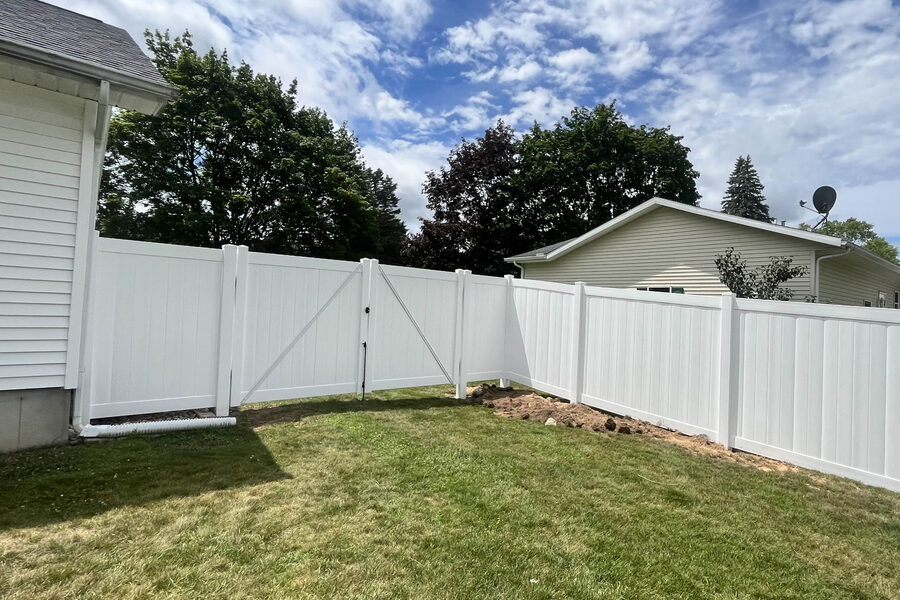
Cost and Project Planning
How Much Does a Privacy Fence Cost?
All the cost factors specific to privacy fence projects in West Michigan, including wood and vinyl comparisons.
Read Guide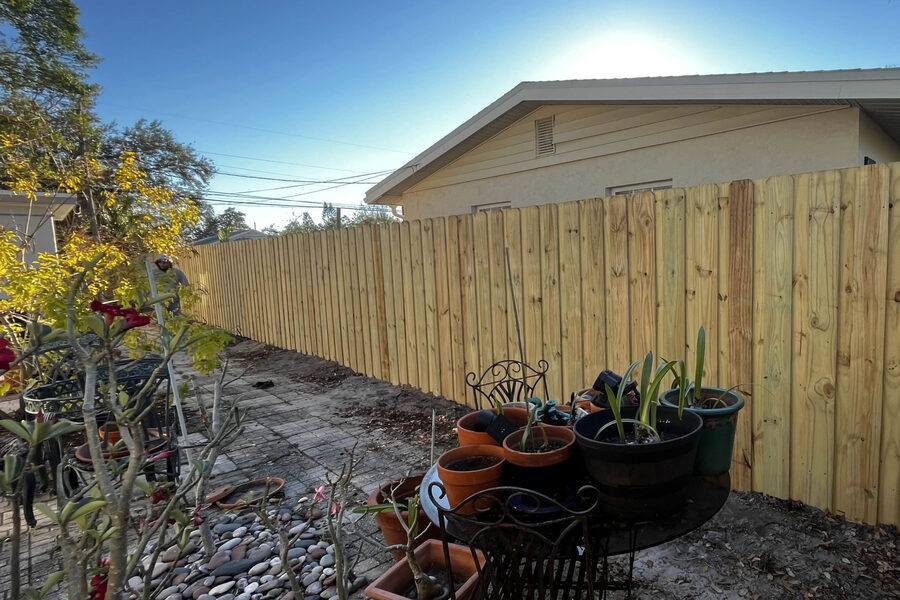
Cost and Project Planning
How Much Does a 6-Foot Privacy Fence Cost?
Per-foot cost context for the most common residential fence height, with a worked calculation for a typical West Michigan project.
Read Guide
Materials and Comparisons
What Is the Best Fence Material for Michigan Weather?
Compare wood, vinyl, aluminum, and chain link for Michigan freeze-thaw cycles, moisture, maintenance, and repairability.
Read GuideReady to Plan Your Fence Project?
Compare your options, then request quotes from available fence contractors serving Grand Rapids and West Michigan.