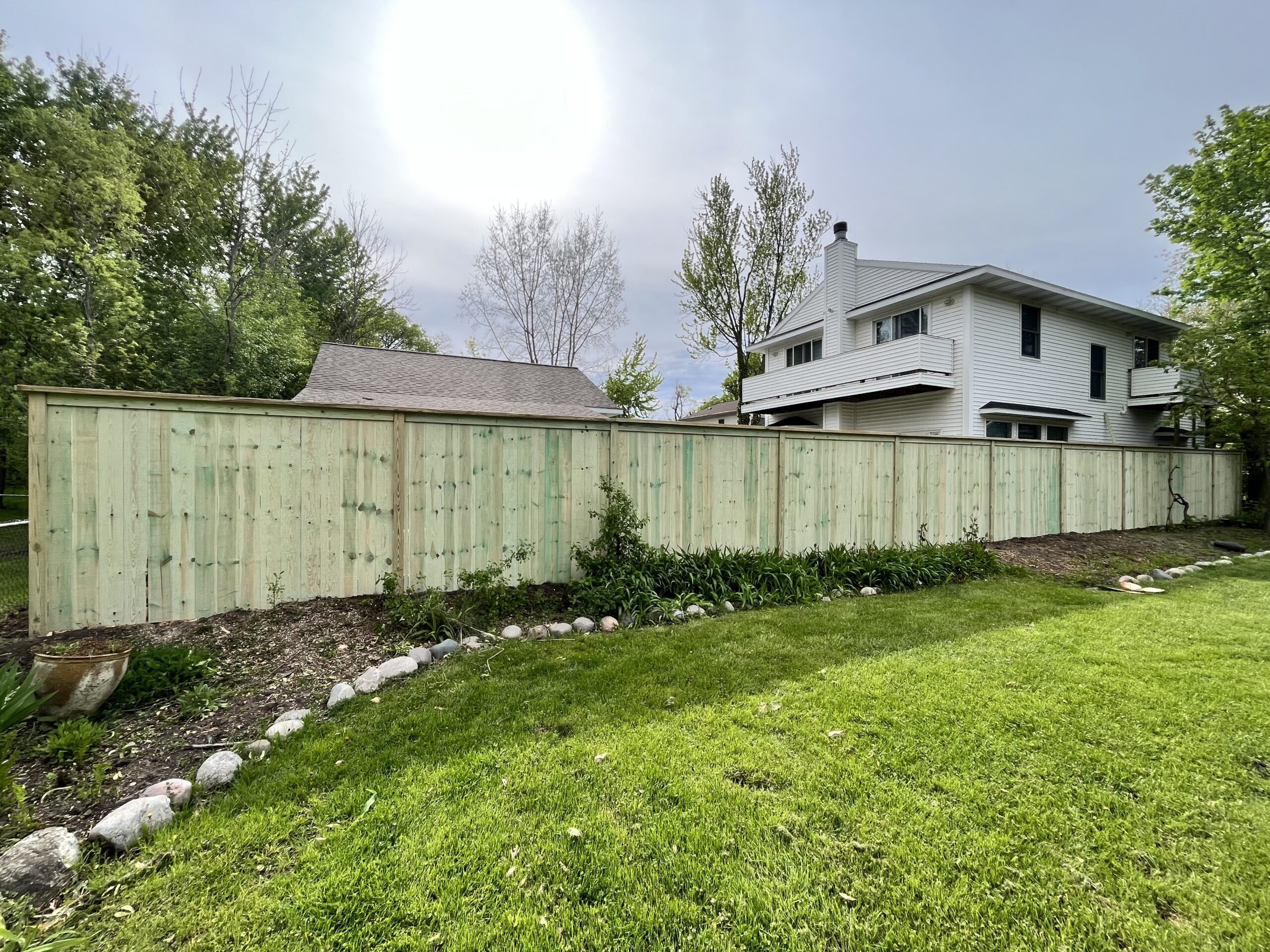
Dogs and Backyard Safety
Will a 4-Foot Fence Keep a Dog In?
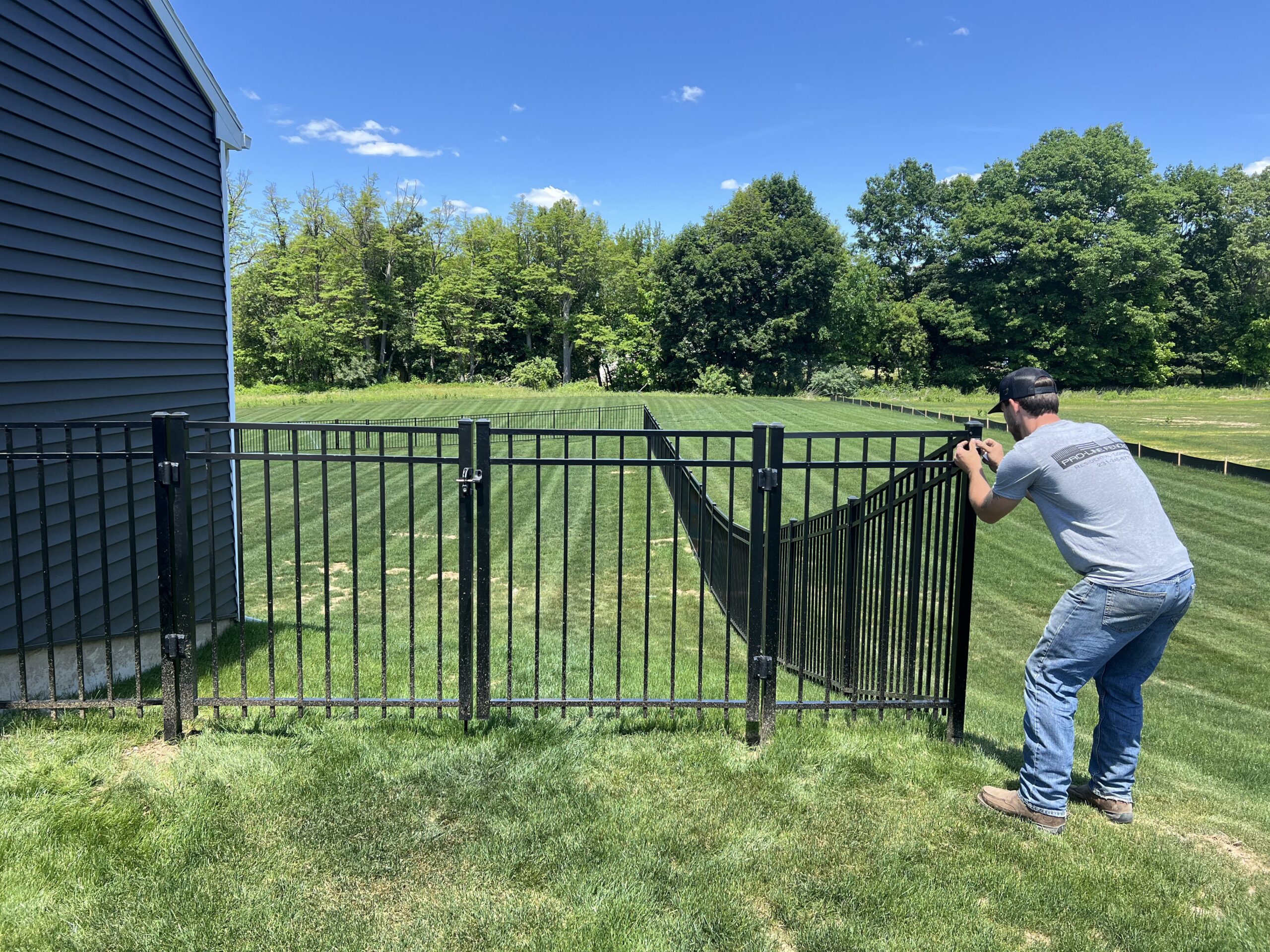
Quick Answer
A stated fence height alone cannot answer whether a particular fence is appropriate for a dog. Compare the complete fence design, gates, ground gaps, nearby objects, and the dog's observed behavior. A qualified fencing professional can assess the property, and a veterinarian or qualified behavior professional can help with recurring behavior concerns. The Humane Society recommends keeping dogs safely contained and supervised outdoors.[1]
Height Is Only One Part of the Assessment
Observe the dog's behavior at the boundary and the condition of the complete fence rather than relying on a breed label or a general rule. For a specific containment concern, seek a site-specific assessment and, where appropriate, veterinary or qualified behavior guidance.
| What to inspect | Why it matters | Possible next step |
|---|---|---|
| Observed jumping or climbing | May warrant a professional assessment | Discuss the layout and height with a qualified professional |
| Open pickets or mesh | Part of the overall fence design | Compare the design with the individual dog |
| Bottom gaps | Visible condition needing assessment | Ask about fence and ground conditions |
| Gate and latch | Part of the complete boundary | Arrange assessment if closure or latching is a concern |
| Furniture near fence | May change access to the fence | Consider moving it away from the perimeter |
The Humane Society recommends safely containing and supervising dogs outdoors.[1] If there is a containment concern, keep the dog supervised while seeking appropriate professional guidance.
What About a 3-Foot Fence?
A stated three-foot height alone also does not answer whether a particular fence is appropriate for a dog. Compare the complete fence, the yard, and the dog's observed behavior with a qualified professional.
Local rules may affect what can be built. Consult the City of Grand Rapids fence permit information for current requirements before planning a height change.[2] For more material context, see the guide to fences for large dogs and the privacy fence overview.
Check the entire perimeter with the dog-proofing checklist. If digging is part of the problem, review humane options for fence-bottom gaps. The best fence for dogs guide covers the wider material decision.
Related Questions
Will a 3-foot fence keep a dog in?
A stated fence height alone does not answer this question. Compare the complete fence, yard conditions, and the individual dog's observed behavior, and seek a qualified assessment for a particular property.
Can an open fence affect containment?
An open fence has a different design from a solid fence. Compare the fence layout and the individual dog's observed behavior, and seek qualified guidance if there is a containment concern.
Should a dog be left alone behind a fence?
The Humane Society recommends keeping dogs safely contained and supervised outdoors.[1]
Sources
Sources were selected for relevance, authority, and practical homeowner use. Requirements and recommendations may change, so confirm current local rules before beginning a project.
- Humane Society of the United States. "Keeping your dog safe." Animal Welfare Organization. https://www.humanesociety.org/resources/keep-your-dog-safe. Accessed August 2026.
- City of Grand Rapids. "Fence Permit." Government. https://www.grandrapidsmi.gov/Government/Departments/Community-Development/Building-Safety/Permits/Fence-Permit. Accessed August 2026.
Related Guides
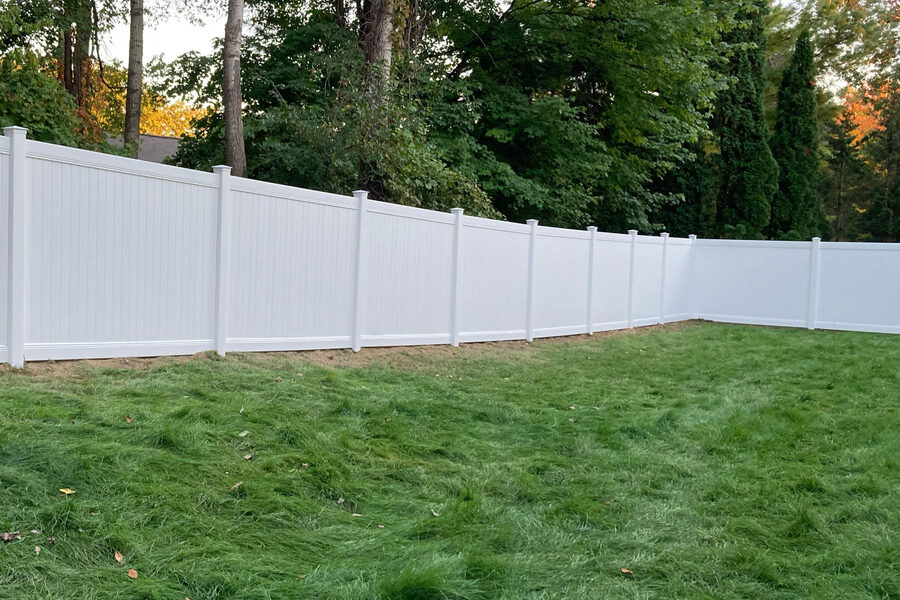
Dogs and Backyard Safety
What Is the Best Fence for Dogs?
Compare the major dog-fence materials.
Read Guide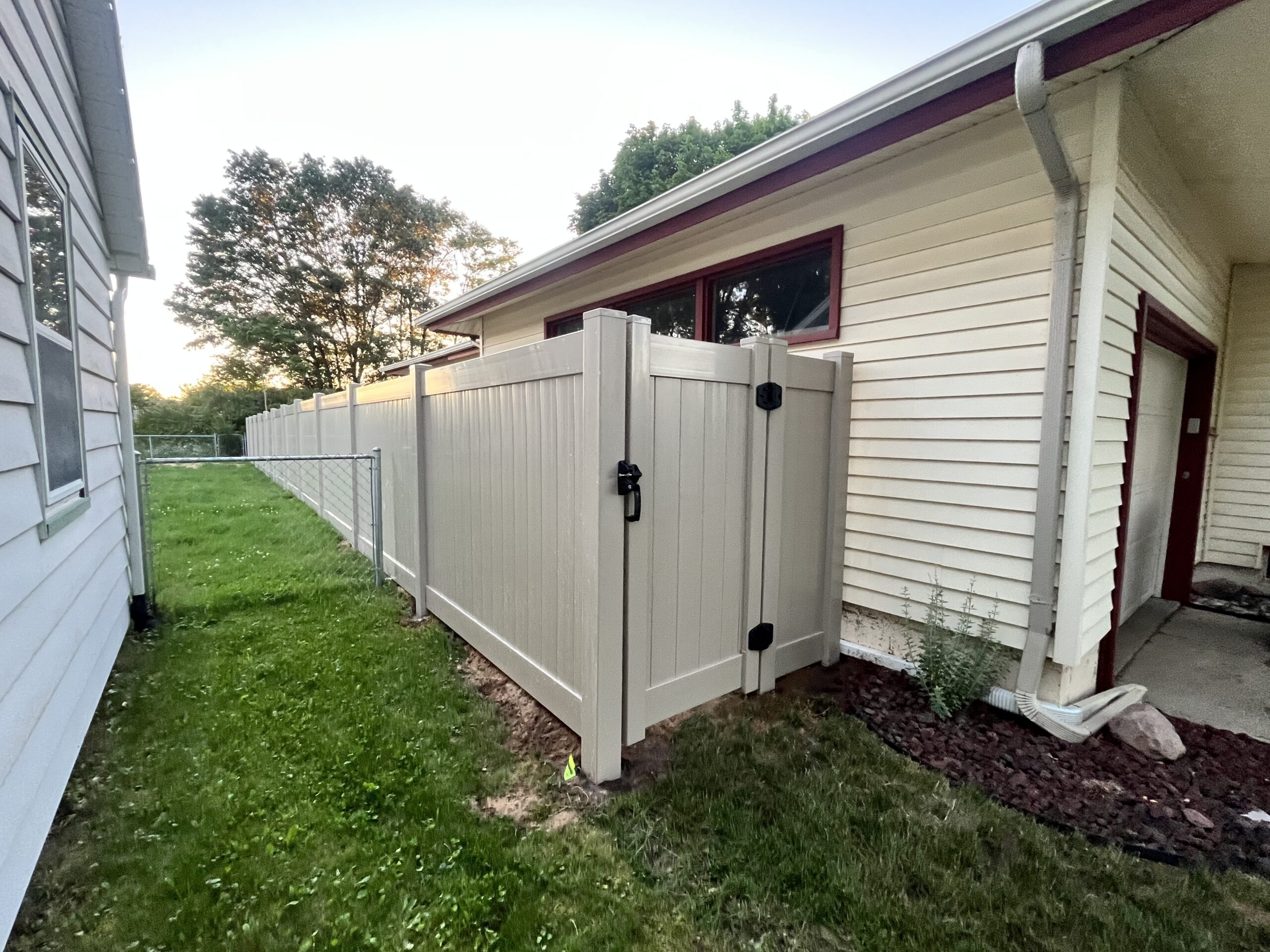
Dogs and Backyard Safety
How Can You Dog-Proof a Fence?
Check gaps, gates, damage, and climbing aids.
Read Guide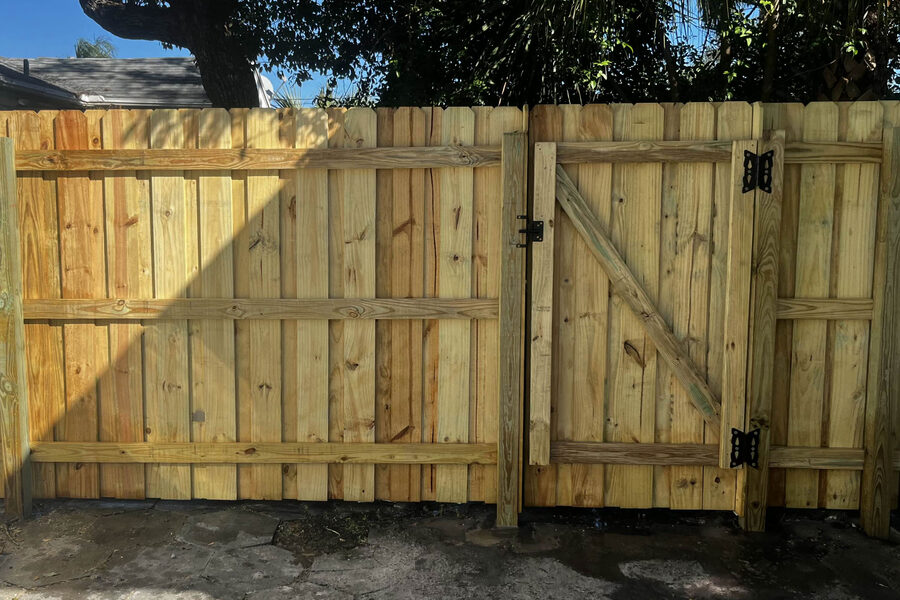
Dogs and Backyard Safety
Keep a Dog From Digging Under a Fence
Consider humane ways to address ground gaps.
Read GuideReady to Plan Your Fence Project?
Compare your options, then request quotes from available fence contractors serving Grand Rapids and West Michigan.