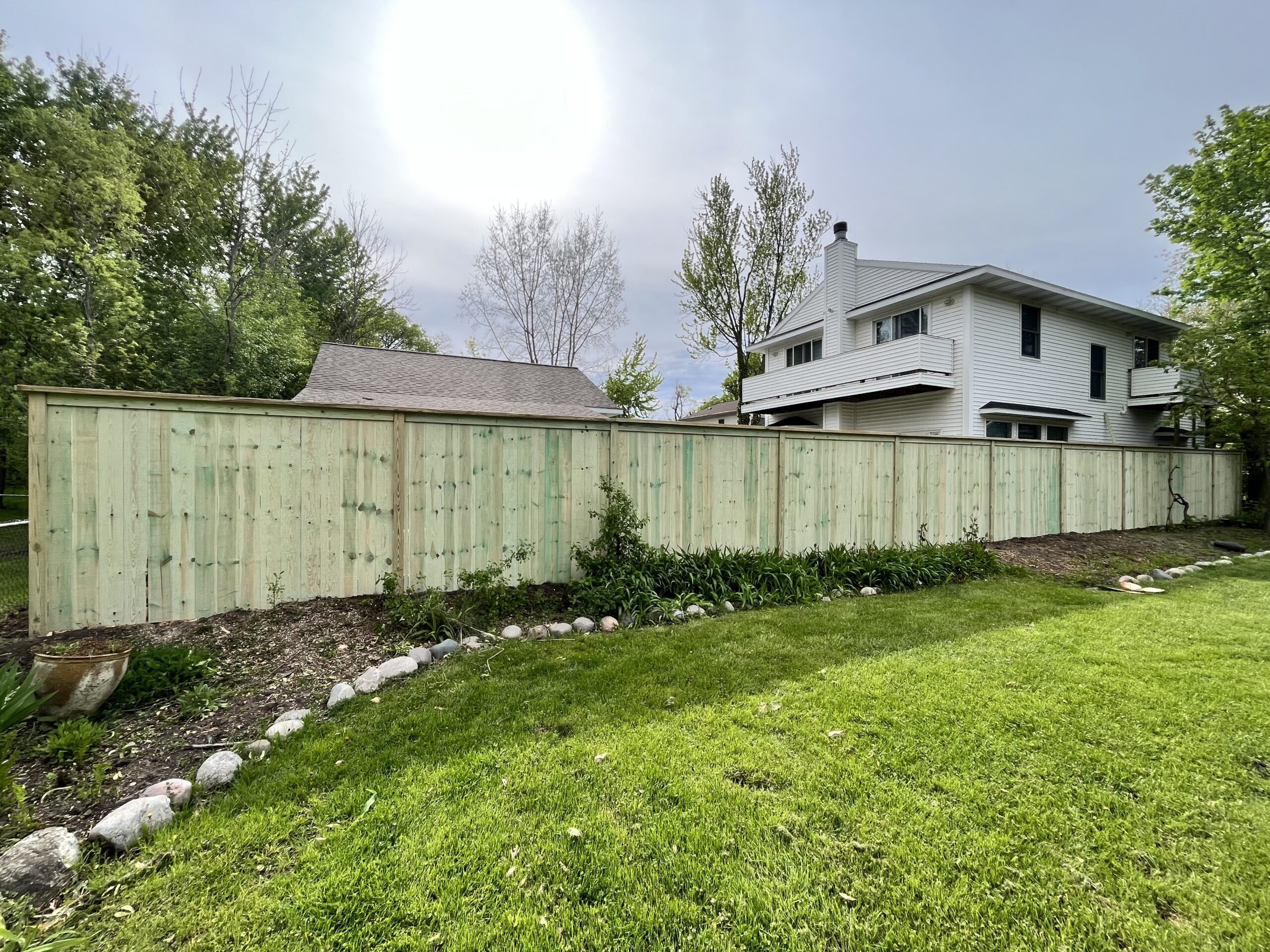
Dogs and Backyard Safety
How Can You Dog-Proof a Fence?
Quick Answer
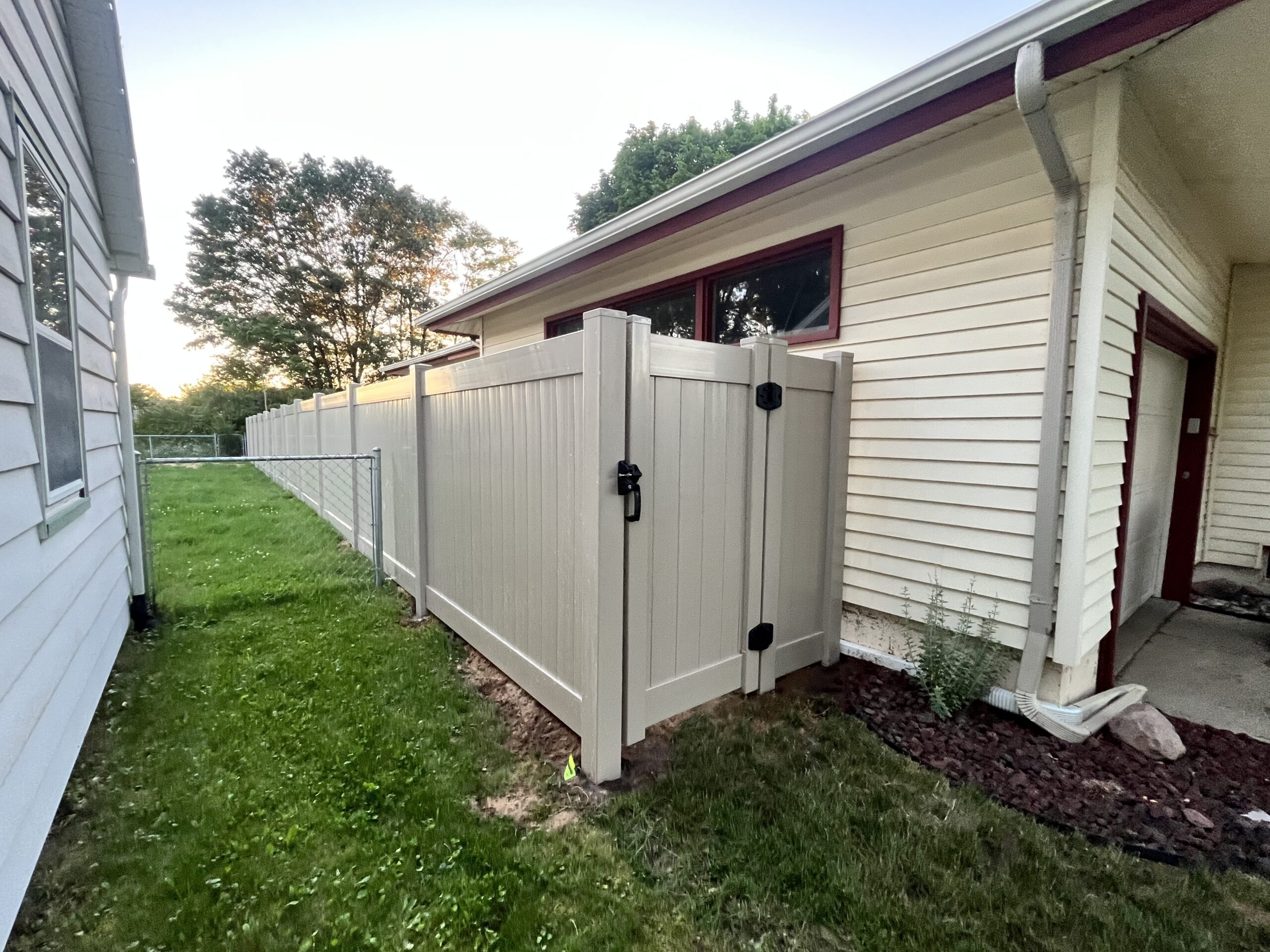
Dog-proofing a fence means identifying visible conditions that need attention, such as open gates, latches that do not engage, loose panels, ground gaps, or nearby objects that change access to the fence. Start with a perimeter inspection. For a repair or improvement, ask a qualified fencing professional about a site-specific approach. The Humane Society recommends keeping dogs safely contained and supervised outdoors.[1]
Practical Inspection Checklist
- Walk the full perimeter from the dog's side and note openings, leaning sections, and loose boards or panels.
- Open and close every gate. Confirm the latch engages without being held in place.
- Look beneath the fence and gate for erosion, settling, or fresh digging.
- Compare picket or mesh openings with the dog and inspect for damaged material.
- Move furniture, woodpiles, bins, and other climbing aids away from the fence.
- Trim vegetation that hides damage or affects gate movement.
The Humane Society recommends safely containing dogs and supervising them outdoors.[1] This checklist supports that approach; it does not replace behavior guidance for a dog that persistently attempts to escape.
Choose the Improvement That Matches the Problem
For a faulty latch, loose gate, or damaged component, ask a qualified fencing professional to assess the condition and appropriate repair. For local context, review fence repair planning in Grand Rapids.
For ground gaps or digging, ask a qualified fencing or landscape professional about the site, including fence condition and drainage. For recurring digging behavior, a veterinarian or qualified behavior professional can offer guidance. See what to place at the bottom of a dog fence.
For concerns about jumping or climbing, consider the fence layout, nearby objects, and the dog's observed behavior with a qualified professional. Read questions to consider about a 4-foot fence and material choices for large dogs. The broader dog fence guide compares common options.
Related Questions
How often should a dog fence be checked?
Include the fence in regular yard checks and look again when work or site conditions reveal a concern. Consult a qualified fencing professional about a visible defect.
What should be removed from a fence line?
Consider whether stored items, furniture, or vegetation affect access to the fence or hide a visible issue. A qualified fencing professional can assess a particular layout.
Can a damaged fence still contain a dog?
Keep the dog supervised or away from a visibly damaged area while arranging an assessment or repair. The Humane Society recommends keeping dogs safely contained and supervised outdoors.[1]
Sources
Sources were selected for relevance, authority, and practical homeowner use. Requirements and recommendations may change, so confirm current local rules before beginning a project.
- Humane Society of the United States. "Keeping your dog safe." Animal Welfare Organization. https://www.humanesociety.org/resources/keep-your-dog-safe. Accessed August 2026.
Related Guides
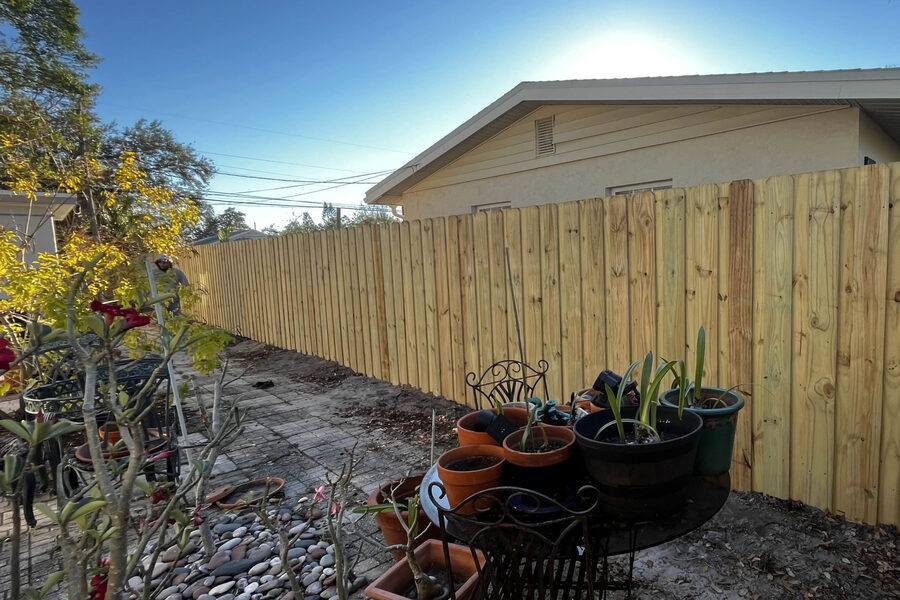
Dogs and Backyard Safety
Best Fence for Large Dogs
Compare materials and features for larger dogs.
Read Guide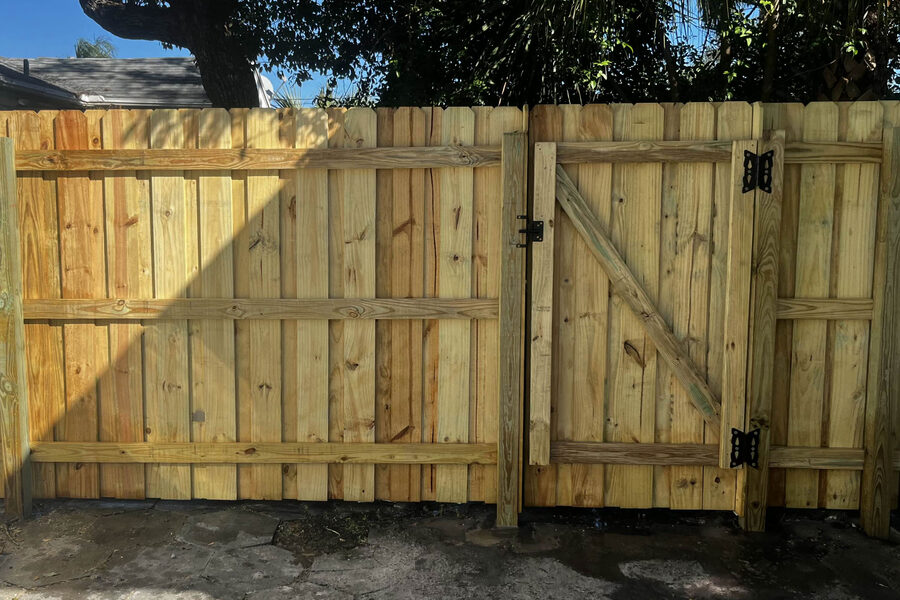
Dogs and Backyard Safety
Keep a Dog From Digging Under a Fence
Address the base of a dog fence safely.
Read Guide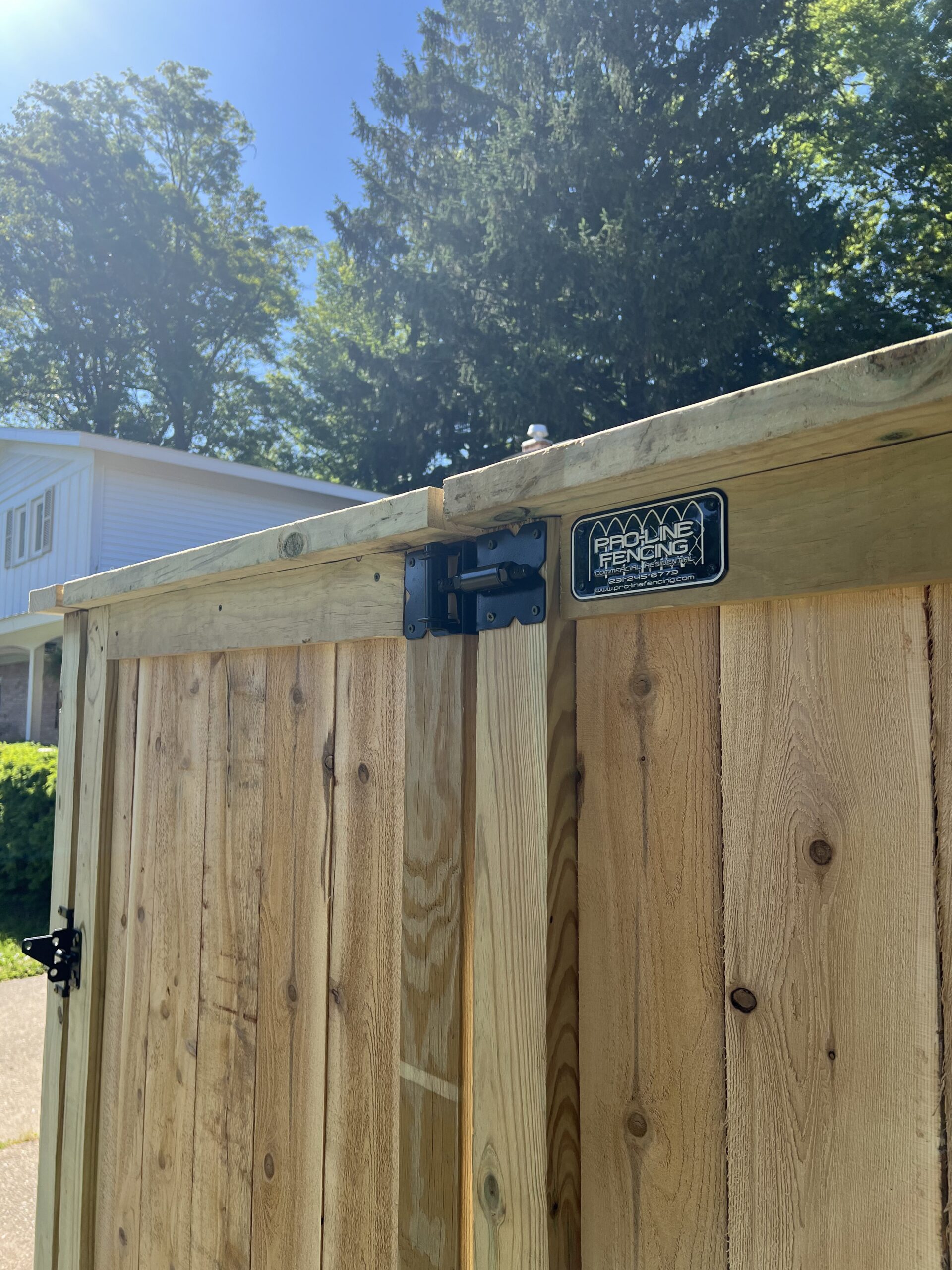
Ready to Plan Your Fence Project?
Compare your options, then request quotes from available fence contractors serving Grand Rapids and West Michigan.