Materials and Comparisons
What Is the Best Privacy Fence Material?
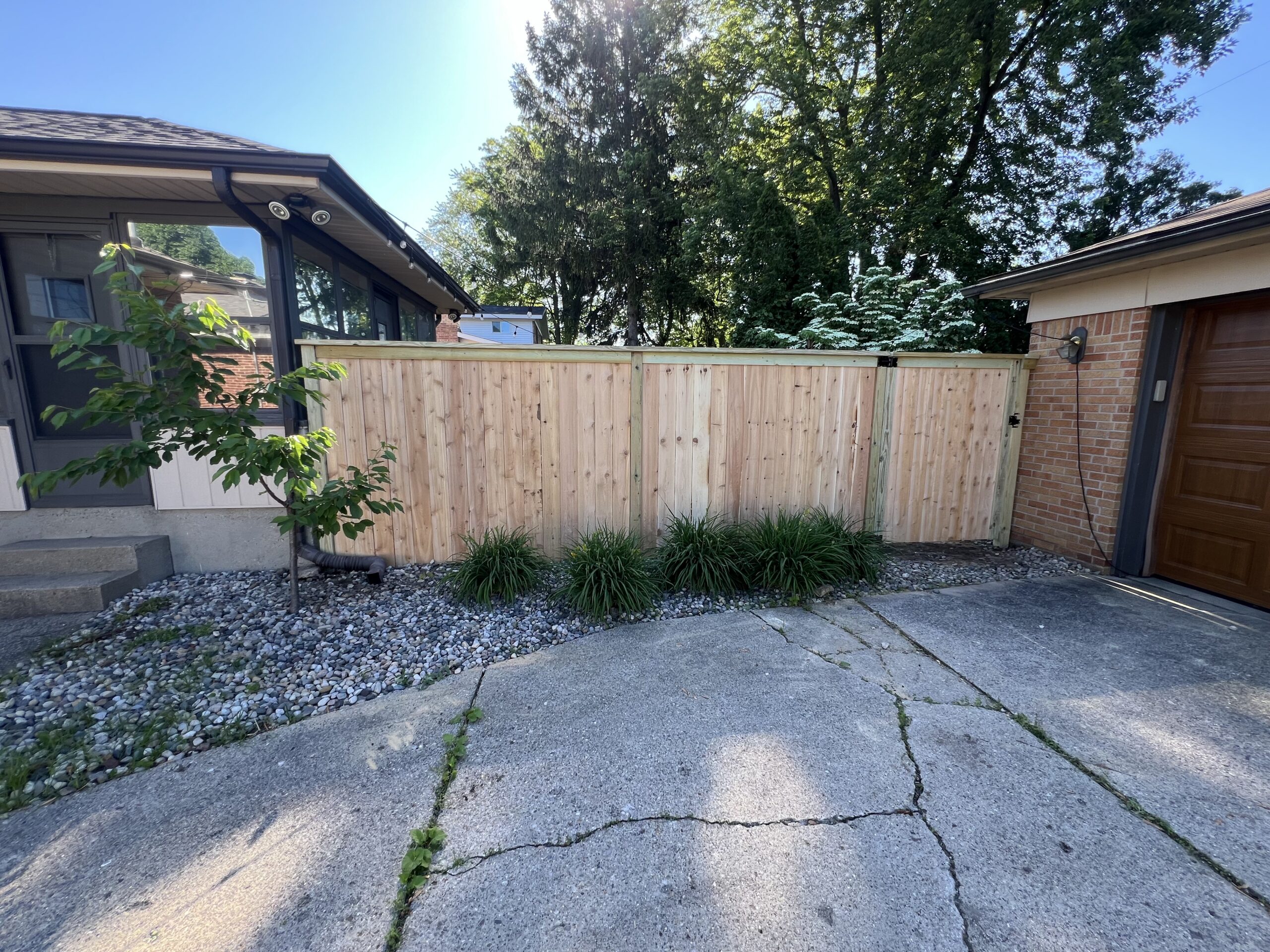
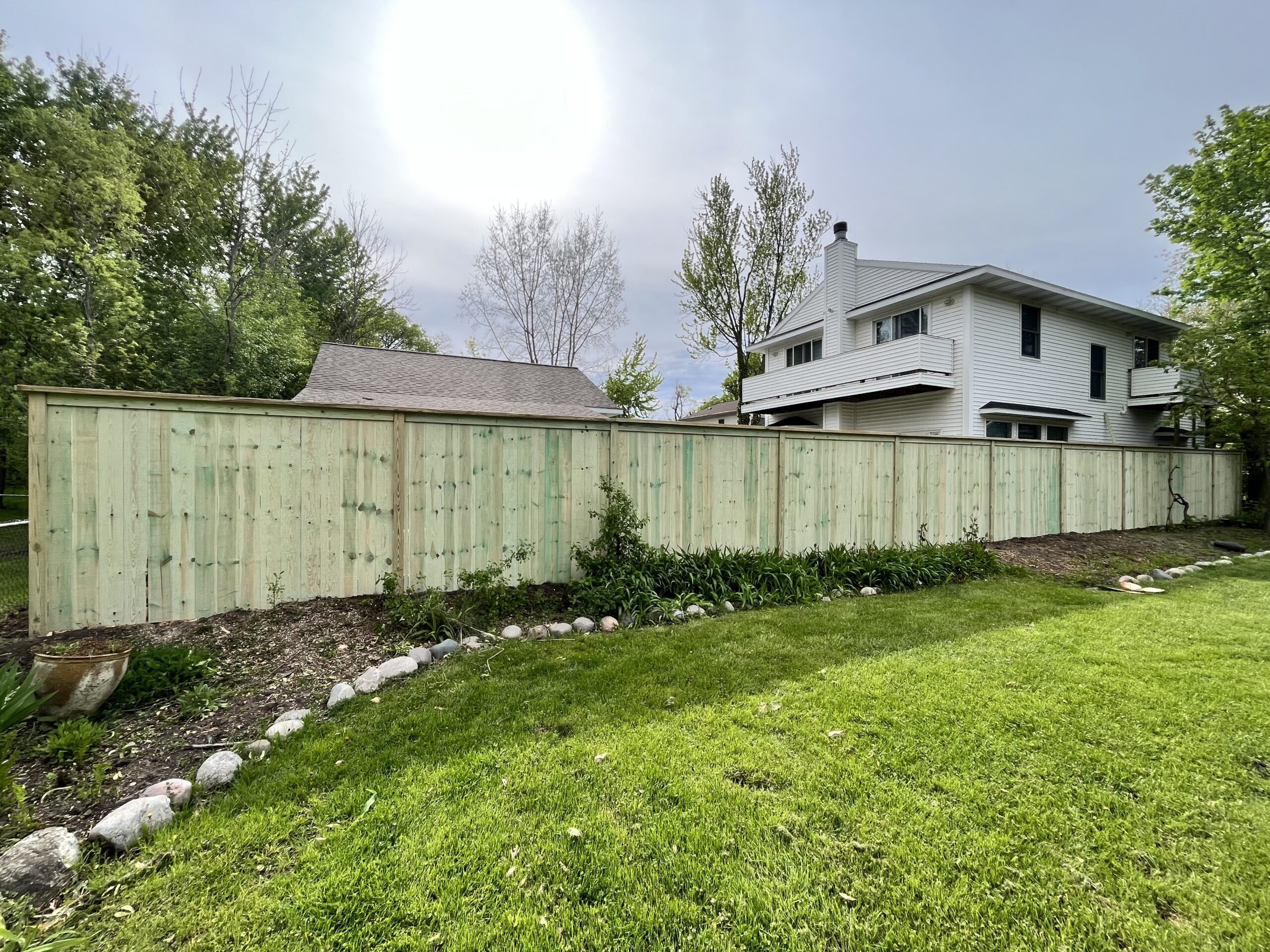
The best privacy fence material is the one that provides the needed screening while fitting the property’s maintenance tolerance, appearance goals, repair expectations, budget, and product requirements. Wood, vinyl, and composite systems can each be considered when their available privacy designs and manufacturer guidance fit the project. No material is best for every privacy-fence site.
Privacy is the deciding use case
This is a privacy-material decision, not a general fence-material ranking. A solid board or panel design, fence height, grade, and gaps influence sightlines as much as the material itself. For a wider Michigan material comparison, see best fence material for Michigan.
Decision table
| Priority | Material worth considering | What to compare |
|---|---|---|
| Natural, changeable appearance | Wood | Compare available finish options, maintenance instructions, and the selected design’s repair approach. |
| Less routine finishing work | Vinyl | Compare the manufacturer’s cleaning, inspection, and replacement-component guidance. |
| Manufacturer-designed system | Composite | Review system details, support, intended application, and installation requirements together. |
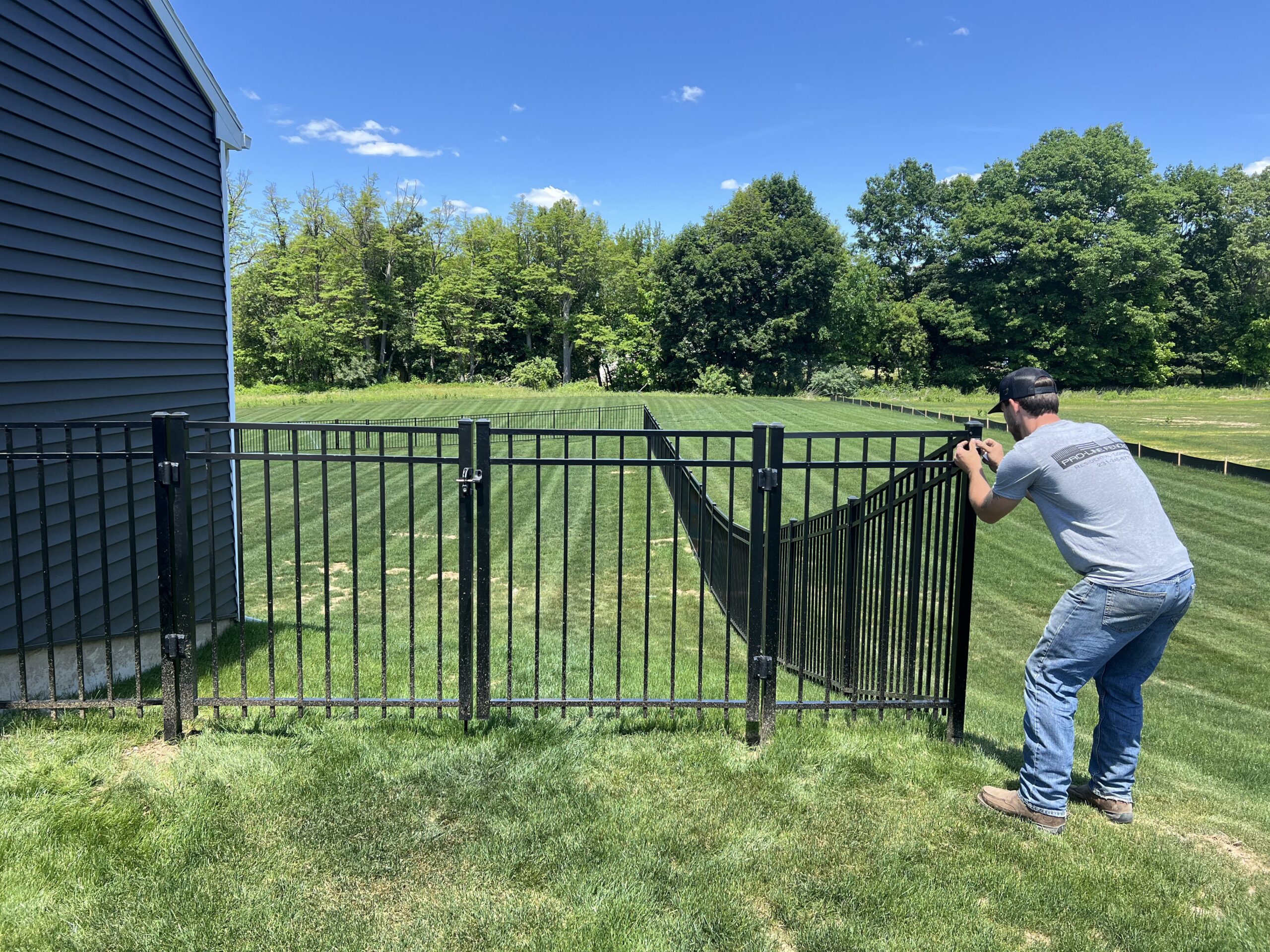
| Reduced views with an open fence | Metal with compatible screen | Confirm whether the screen system provides the level of visual screening needed for the site. |
Material considerations
Wood can offer a warm appearance and flexible layout, but moisture management matters. Wood behavior and durability are influenced by species, treatment, coatings, construction detail, and wetting conditions. [1] For vinyl and composite, compare the selected manufacturer’s care instructions, compatible components, and intended fence application rather than assuming every product has the same maintenance or repair process.
For wood and vinyl specifically, compare the broader material guide and the privacy-fence cost comparison. For any full privacy enclosure, review the product documentation and include the site layout, posts, gates, and transitions in the scope.
Weather, wind, and property context
Wind, grade changes, drainage, nearby trees, gate location, and post design are site-specific considerations. Review the selected product documentation and discuss unusual site conditions with a qualified local professional or the product manufacturer. After severe weather, inspect the fence according to the manufacturer’s guidance and address conditions that the product guidance identifies as requiring maintenance.
Fence height is a separate privacy decision. Read 6-foot vs. 8-foot privacy fencing, and use privacy fence cost to organize the quote scope.
Related Questions
What material gives the most solid visual privacy?
A solid wood, vinyl, or composite privacy system can limit sightlines. The actual privacy result depends on the board or panel design, gaps, height, and the surrounding grade.
Is vinyl better than wood for privacy?
Both wood and vinyl are available in solid privacy designs. Wood offers finish and repair flexibility, while vinyl avoids wood-style staining and sealing. The better choice depends on priorities rather than privacy alone.
Can metal fencing provide privacy?
Open metal fencing does not provide visual privacy by itself. A compatible privacy-screen system may reduce visibility, but its attachment method, wind exposure, and property rules should be considered.
Sources
Sources were selected for relevance, authority, and practical homeowner use. Requirements and recommendations may change, so confirm current local rules before beginning a project.
- U.S. Department of Agriculture, Forest Products Laboratory. "Wood Handbook: Wood as an Engineering Material." Government research. https://research.fs.usda.gov/fpl/products/dataandtools/wood-handbook. Accessed August 2026.
Related Guides
Materials and Comparisons
Best Fence Material for Michigan
Compare materials for broader Michigan fence uses.
Read Guide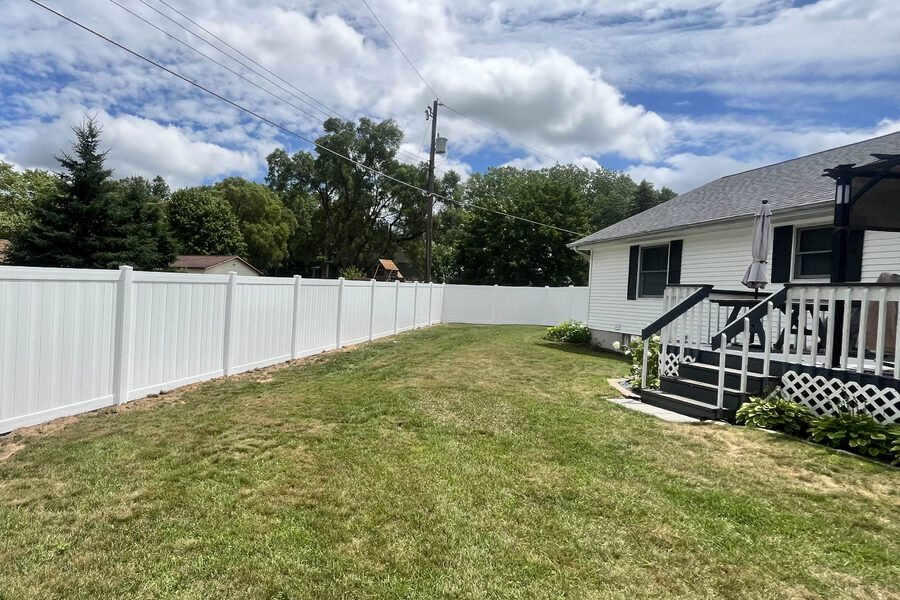
Privacy Fencing
6-Foot vs 8-Foot Privacy Fence
Choose a privacy height for the property context.
Read GuideReady to Plan Your Fence Project?
Compare your options, then request quotes from available fence contractors serving Grand Rapids and West Michigan.